Last updated November 20, 2026
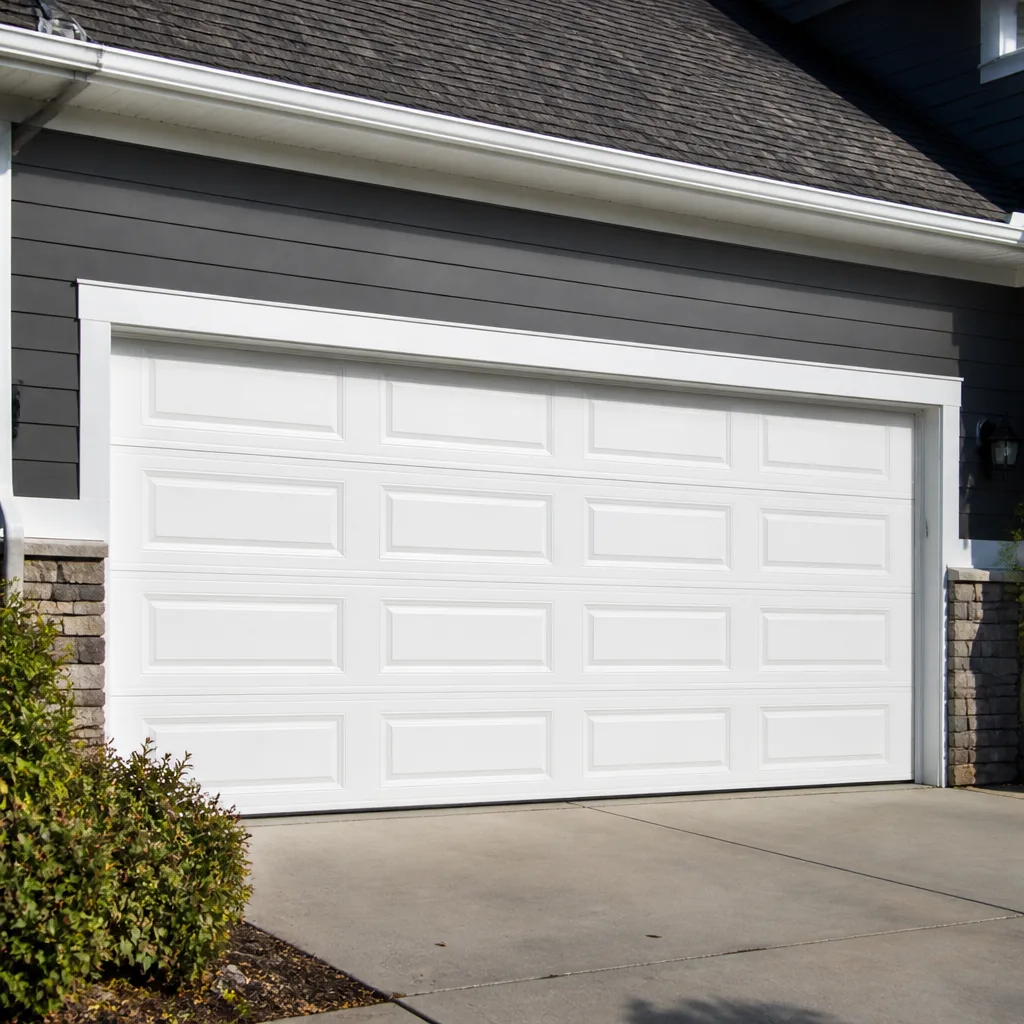 Raised-panel steel
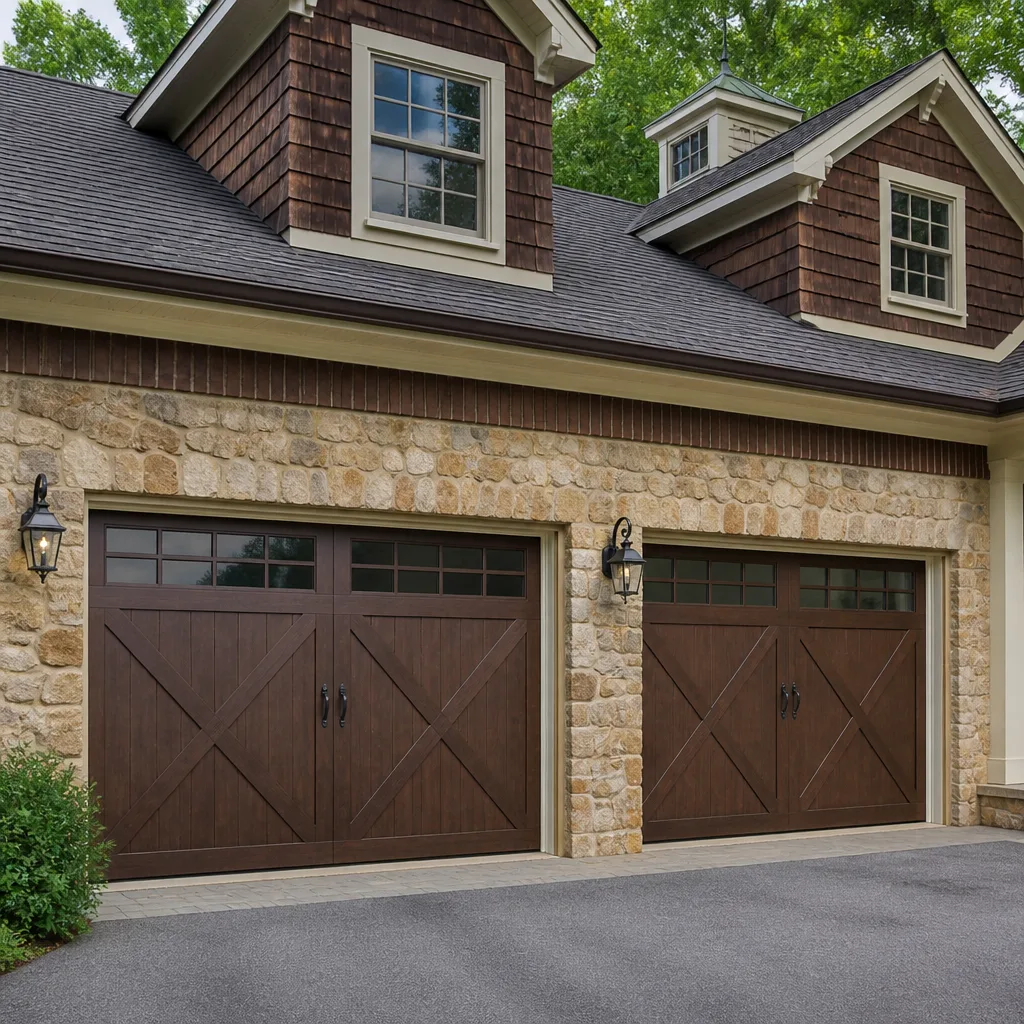 Carriage house
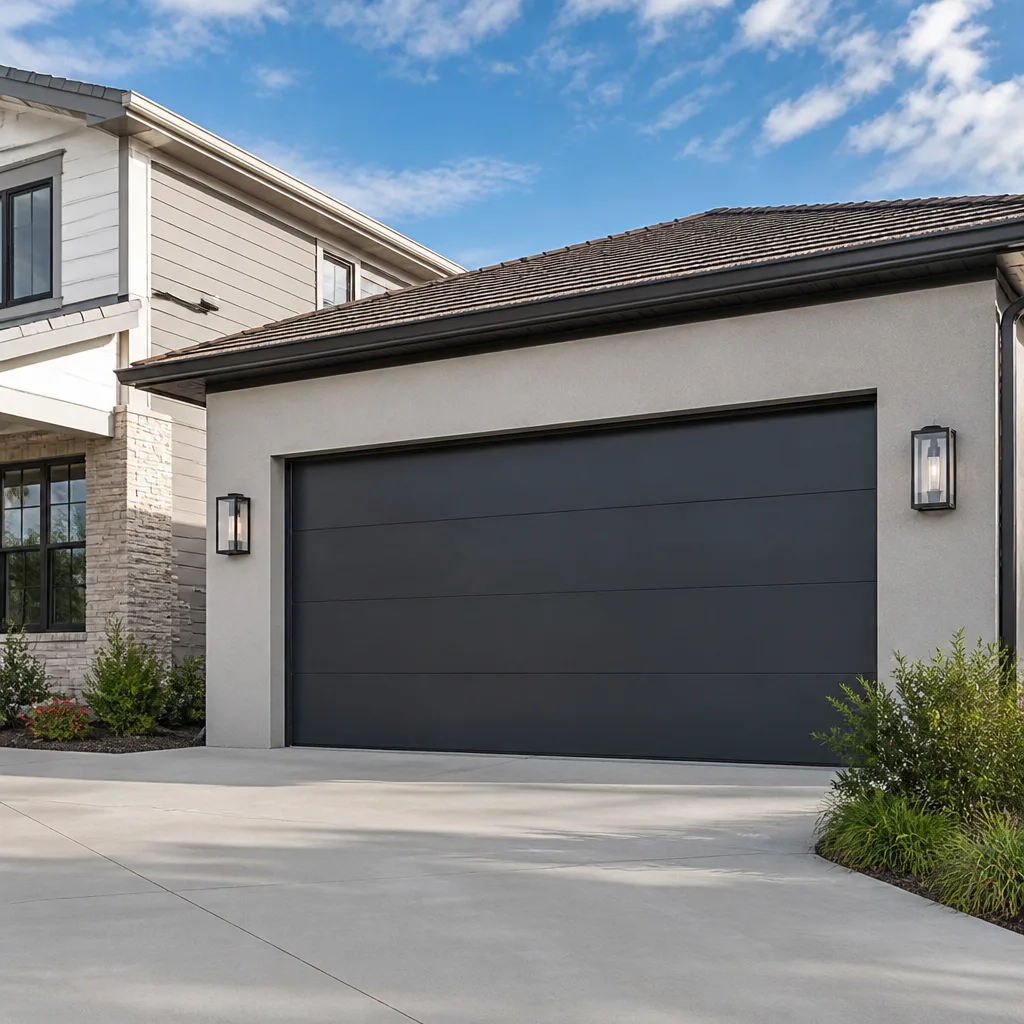 Modern flush
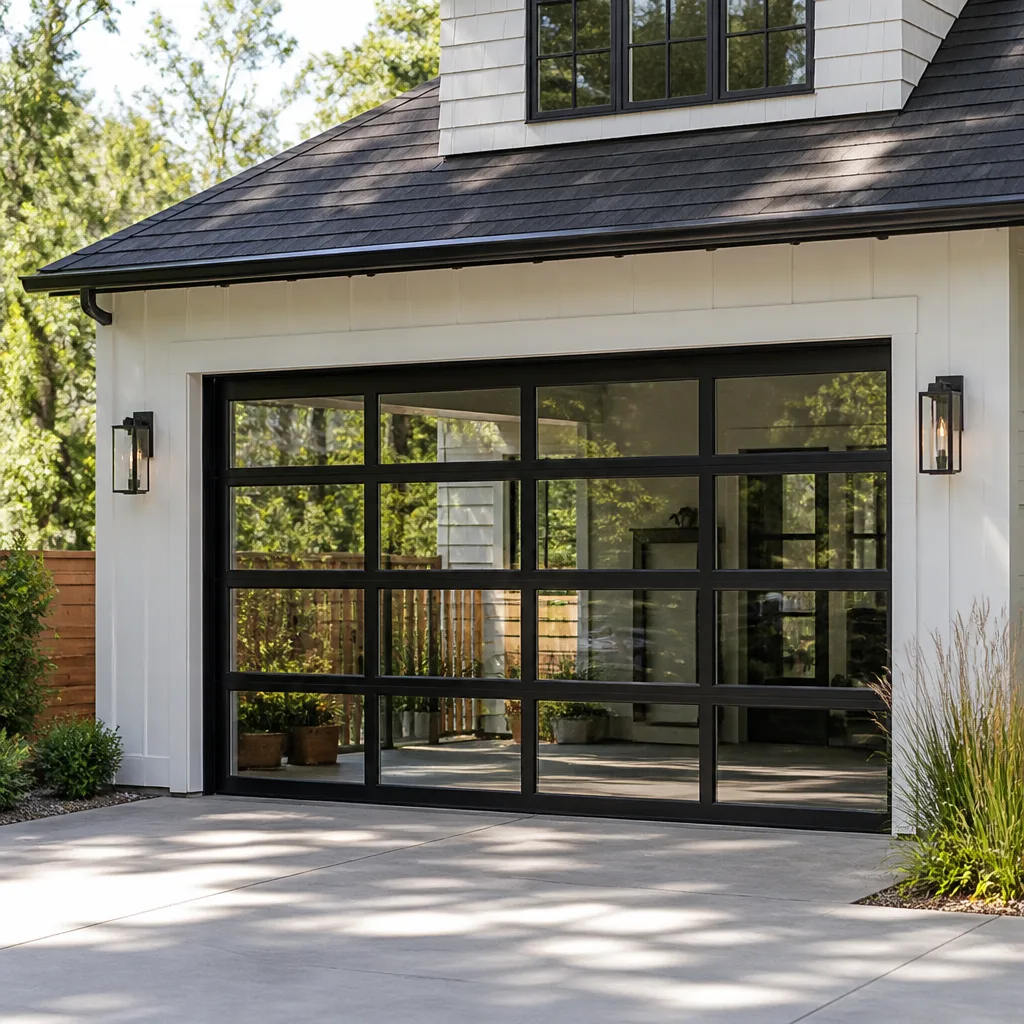 Full-view glass
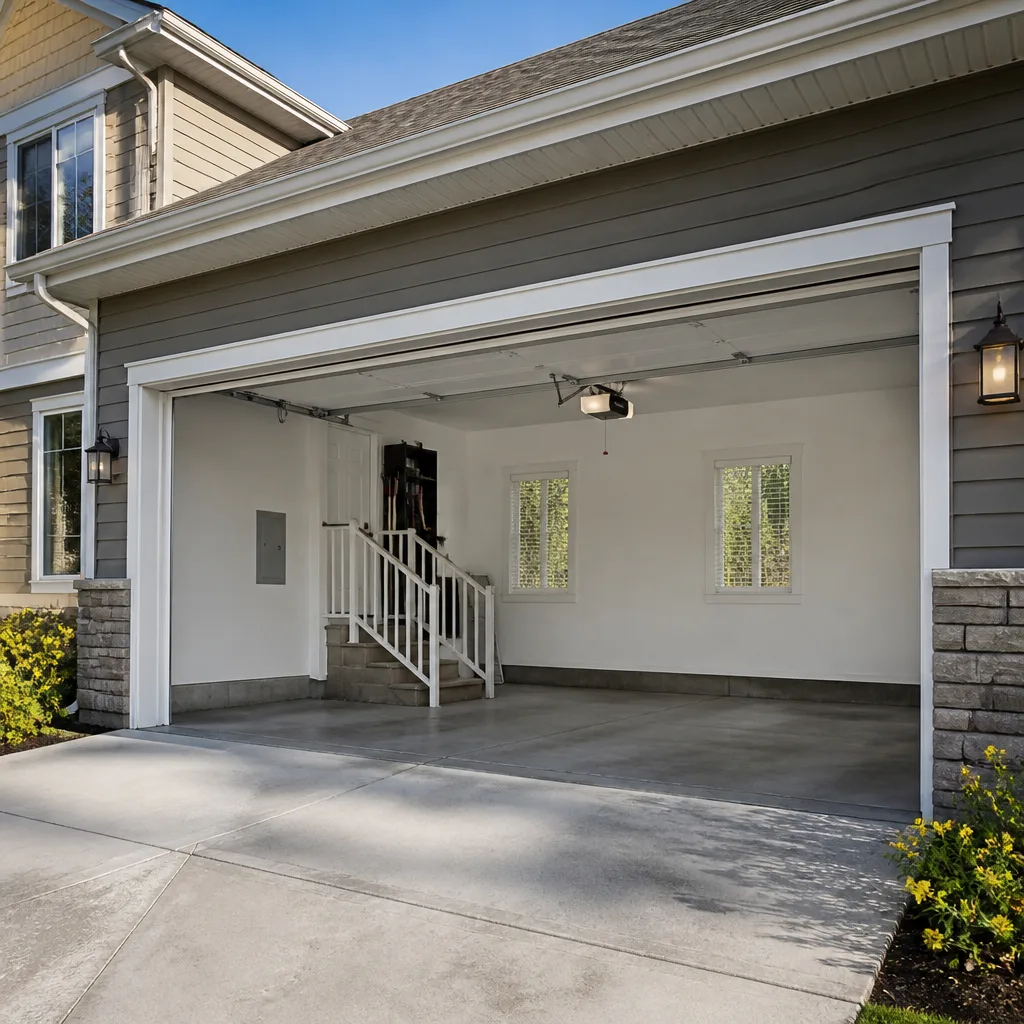 LiftMaster openers
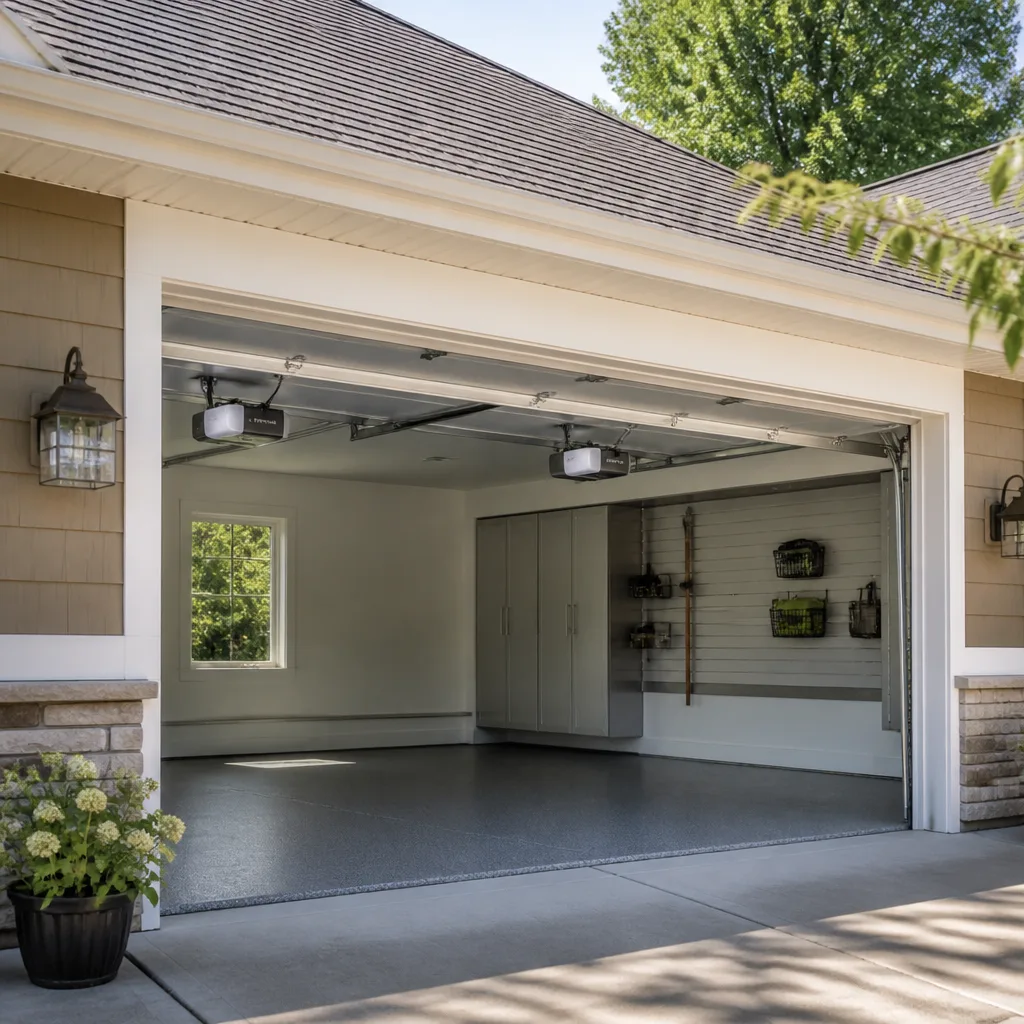 Chamberlain openers
Full 25-point door and opener safety check with every visit - springs, cables, rollers, tracks, and your LiftMaster or Chamberlain opener included
You get a price before we start. It does not change when the pro arrives.
Get your free estimateGarage Door Warning Signs: A Hyde Park Homeowner’s Reference Guide
A garage door that hesitates for two seconds before it opens isn’t just annoying. That pause is often the opener’s force sensor reporting that the mechanical load has climbed past what the system was set to handle. That’s a diagnosis, not a quirk, and it tells you something is changing inside the door or the track before a full failure stops the door cold. The trouble is most homeowners don’t know which sounds, movements, and visual cues mean “fix this week” and which mean “this will fail today.” This guide sorts the warning signs by urgency so you act at the right moment, not too late, and we’ve written it from Hyde Park where doors take a real beating from freeze-and-thaw winters and humid summers.
Quick Answer
The main garage door warning signs in Hyde Park are a door that hesitates or reverses before opening, grinding or popping noises, uneven gaps along one side, frayed cables, and cracked spring coils. Slow-or-hesitating movement and visible cable or spring damage mean stop using the door and call a professional today, while minor squeaks and slow rollers can usually be scheduled. Anything that touches the spring, cable, or opener’s force settings is a trained-technician job, not a weekend project.
Styles & brands we work with
- Raised-panel steel
- Carriage house
- Modern flush
- Full-view glass
- LiftMaster openers
- Chamberlain openers
Table of Contents
- Slow Door vs. Hesitating Door: Why the Difference Matters
- What Grinding, Scraping, and Popping Sounds Actually Mean
- Visual Warning Signs: What to Check and How Urgent It Is
- Why a Door That Opens Fine but Closes Slowly Is More Dangerous
- The Safety Sensor Test You Can Run Yourself
- Ranking Signs by Urgency: Fix Today, This Week, or Schedule It
- Why Brand-Specific Knowledge Changes the Diagnosis
- The Safety Line: What You Should Never Try to Fix Yourself
Slow Door vs. Hesitating Door: Why the Difference Matters
A slow door and a hesitating door look similar from the driver’s seat but point to completely different problems with completely different urgency. Getting this distinction right is the single most useful skill in this whole guide, because it’s where most Hyde Park homeowners either panic over nothing or ignore a real threat.
A slow door moves steadily the whole way but takes longer than it used to. The typical cause is mechanical friction: dry rollers, a track that’s drifted out of alignment, or hinges that have stiffened with age. The door isn’t fighting the opener; it’s just dragging. This is usually a maintenance issue you can schedule. It wears on the opener over time, so you don’t want to ignore it for months, but it rarely fails without warning.
A hesitating door is a different animal. The door starts to move, pauses, maybe jerks, then continues. Sometimes it reverses entirely before it opens. That pause is the opener’s force sensor doing its job. Modern openers from LiftMaster, Chamberlain, Genie, and Craftsman constantly measure how much resistance they meet, and when the load spikes past the setting, the system hesitates or reverses to avoid crushing something or straining the motor. The hesitation is a report, not the fault.
What’s spiking the load? Usually one of three things:
- A spring that’s lost tension and is no longer carrying its share of the door’s weight
- A cable that’s jumped a drum or started to fray
- A roller or hinge that’s seized and is binding in the track
Any of those is a same-day call. A door that hesitates is a door telling you the mechanical load has exceeded the design, and that load only gets worse. If you’re in Hyde Park and your door pauses before it opens, treat it as a repair-now signal rather than a background annoyance. For the broader repair picture, our garage door repair page lays out what a typical visit covers.
What Grinding, Scraping, and Popping Sounds Actually Mean
Garage doors are supposed to be quiet enough that you barely notice them. When a new sound shows up, the type of sound tells you which component is in trouble. Here’s how we sort them.
Grinding
Grinding usually comes from metal-on-metal contact. The most common sources are worn rollers that have flat-spotted and are scraping the track, or a torsion tube or bearing plate that’s dried out and grinding against the bracket. Grinding that gets louder the higher the door goes points to something in the track or the roller assembly. If the grinding is up high near the header, suspect the springs or the bearing plates. Either way, grinding is friction, and friction is load on the opener.
Scraping
Scraping sounds are usually the door itself, not the hardware. A section can sag or warp over time, and when it does the panel edge catches the track or the weather seal. You’ll often hear scraping on one side more than the other. Check whether the gap along that side has grown. If it has, the track may have been knocked out of alignment, or a hinge may have loosened. Scraping is a slow-progression problem, but left alone it damages the panel and the seal, and a warped section is a much bigger repair.
h3>A single loud pop followed by a door that suddenly won’t open
That’s the classic signature of a broken torsion spring. If you hear a bang from the garage and the door won’t budge, or it feels impossibly heavy when you try to lift it, do not keep pressing the opener. The springs carry the door’s weight, and when one breaks the door is suddenly far heavier than the opener was built for. Stop and call a professional. Our garage door opener repair team can confirm whether the opener is also damaged from straining.
Rattling and banging
Loose bolts, worn hinges, and a door that’s out of balance all produce rattles. This is the least urgent category and the most fixable, but rattles left alone loosen further until something else wears out.
Visual Warning Signs: What to Check and How Urgent It Is
Some of the most important warning signs are things you can see without touching anything. Walk out to the garage with the door closed, then again with it open, and look at these five spots.
- Asymmetrical gaps along the sides or top. An even gap all the way around is normal. A gap that’s noticeably wider on one side means the door is out of balance or the track has shifted. If the gap changes as the door moves, that’s a same-day concern because the door can bind or drop.
- Frayed or kinked cables. The cables are the steel lines running along each side. Look for cables with stray strands sticking out, or a cable that’s jumped the drum at the top corner. A frayed cable can snap, and a snapped cable whips. This is a stop-using-the-door sign.
- Cracked or gapped spring coils. If you have visible springs above the door, look for a gap in the coil where the spring has broken. Never touch a spring. If you see a crack, call a professional.
- Worn rollers and hinges. Rollers that look flat-spotted, cracked, or wobbling in the track, and hinges that look bent or loose, are maintenance items you can schedule before they become urgent.
- Door sections that have bowed or separated. A bent panel, a section that’s split from its neighbor, or a panel that sags is usually a symptom of a balance or track problem, and the panel itself can be a safety issue if it’s structurally compromised.
In Hyde Park, the freeze-and-thaw cycle from late fall through early spring works on doors and hardware in a specific way. Moisture gets into track seams and bolts and freezes, then thaws, and repeated cycles loosen fasteners and encourage rust in the track and hinges. That’s why it’s worth doing a visual pass in the fall before the first hard freeze and again in the spring. It’s a two-minute check that catches most of these signs early.
Why a Door That Opens Fine but Closes Slowly Is More Dangerous
This one surprises people. A door that opens at normal speed but closes slowly, or stops and reverses partway down, isn’t the same problem as a slow-in-both-directions door. It’s often more serious, and it’s specifically a safety problem.
When a door closes, the safety sensors and the opener’s force setting are working to make sure the door stops or reverses if it meets a person, an animal, or an object. If the door only hesitates on the way down, the cause is usually one of two things: the safety sensors are misaligned, dirty, or wired wrong, or the opener’s close-force setting has drifted and the opener senses resistance on the way down that it doesn’t sense on the way up.
Here’s the danger. A descending garage door is the part of the door that can hurt someone, whether it’s a child on a bike, a pet, or a car pulling in faster than the door is rising. If the closing cycle is inconsistent, so is the protection. A door that reverses partway down might be sensing a real obstruction, or it might be sensing nothing but a bad sensor reading. You can’t tell from the outside, and a door that fails to reverse when it should is the scenario where people get hurt.
So a slow-closing door is a call-today problem. A door that’s slow both directions is usually a maintenance call. If your door closes slowly and your opener is a LiftMaster, Chamberlain, or Genie unit, the diagnosis often involves checking the force settings and the sensor circuit, and we cover more of that on our garage door opener repair page. If your opener is the original that came with the house and it’s been reset or adjusted by a previous owner, it’s worth a professional check even when nothing feels wrong.
The Safety Sensor Test You Can Run Yourself
The safety sensors are the two small eyes mounted at the bottom of the track on each side, about six inches off the floor. They’re the simplest warning sign you can test yourself, and it takes about a minute. The test tells you whether you’re looking at a quick cleaning or alignment fix, or a wiring or opener problem that needs a technician.
- Look at the sensor lights. With the door open, each sensor should show a solid light. If one sensor’s light is off, blinking, or amber instead of its normal steady state, the sensors aren’t seeing each other.
- Clear the pathway. Wipe the lens of each sensor with a soft cloth. Dust, cobwebs, and in a garage, occasional leaves and grit block the beam. Recheck the lights.
- Check alignment. Both sensors should point straight at each other. A sensor knocked slightly out of line by a broom, a bike, or a car bumper will break the beam. Gently adjust one and watch the other’s light for reaction. If the lights go solid when you nudge one into line, the problem is alignment.
- Run the obstruction test. With the door open and the sensors clear, place a low object in the door’s path and press close. The door should reverse. If it doesn’t, the safety reverse is failing, and that’s a stop-using-the-door problem.
- Check the wiring. If the lights stay off or blinking after cleaning and alignment, the problem is in the sensor or the wiring back to the opener. A cut wire, a corroded terminal, or a sensor that’s simply failed all land in this category, and this is a technician job.
A sensor that’s just out of alignment or dusty is a quick fix. A sensor that’s failed or has a broken wire needs a professional, and until it’s fixed the door’s safety protection is compromised. On a related note, our garage door repair service routinely handles sensor and wiring problems as part of a normal visit.
Ranking Signs by Urgency: Fix Today, This Week, or Schedule It
This is the section to bookmark. Every warning sign in this guide sorts into one of three buckets. If you’re not sure which bucket your door is in, call and describe what you’re seeing. Our technicians have up to 10 years of experience sorting exactly this kind of problem.
Fix today (stop using the door and call)
- A loud pop followed by a door that won’t open or feels impossibly heavy (broken spring)
- A visible gap in a spring coil
- A frayed cable or a cable that’s jumped the drum
- The door reverses on the way down or fails the obstruction test
- The door comes off its track or hangs crooked after a bump
- The door pauses or reverses repeatedly before opening
Fix this week (call and schedule soon)
- Asymmetrical gaps that seem to be growing
- A door that opens fine but closes slowly or inconsistently
- Grinding or scraping that’s new or getting louder
- A sensor that’s out of alignment or a sensor light that won’t stay steady after cleaning
- A door that’s sluggish in both directions
Schedule it (maintenance, worth doing soon)
- Rattling or banging from loose hardware
- Squeaking or dry rollers
- Worn or wobbly rollers and stiff hinges
- A door that’s slightly louder than it used to be
If you want the full repair scope for anything in the first two buckets, our garage door repair team handles it, and if the door is beyond a practical repair, we’ll tell you honestly rather than pushing a replacement. When a full replacement is the right call, our garage door installation service covers the measure, the order, and the install.
Why Brand-Specific Knowledge Changes the Diagnosis
Garage doors and openers aren’t interchangeable, and a warning sign on one brand doesn’t always mean the same thing on another. That’s the practical reason we work on the brand already in your garage rather than guessing at generic parts. The eight brands we service are LiftMaster, Chamberlain, Genie, Clopay, Amarr, Wayne Dalton, Craftsman, and Raynor, and that fluency matters most when a door is telling you something.
Consider a few examples. A Clopay or Amarr panel door weighs differently depending on the model line, and the spring spec and track hardware are sized for that weight. If a door is hesitating, the fix isn’t just “tighten the spring.” It’s matching the right spring to the specific door. A Wayne Dalton door with its unique torsion and track configuration behaves differently from a Raynor or a standard panel door, and a technician who doesn’t know that door can misdiagnose a balance problem as a track problem. On the opener side, LiftMaster and Chamberlain units share a lot of control-board logic and force-sensor behavior, while Genie and Craftsman openers have their own force adjustment procedures and sensor setups. A warning sign that looks minor on a newer smart-connected LiftMaster might mean something different on an older Genie chain drive.
A generalist handyman who doesn’t know the brand is guessing at exactly the moment the door needs a precise diagnosis. The right fix, not the easy one, depends on knowing what’s installed. That’s the trust signal here: we work on the brand in your garage, so the diagnosis starts from the right place instead of from scratch.
The Safety Line: What You Should Never Try to Fix Yourself
Most of this guide is about reading your door’s warnings, not fixing them yourself, and that’s deliberate. Garage door springs and cables are the most dangerous parts of the whole system. They’re under high tension, and a spring or cable that lets go can cause serious injury. If your door has a cracked spring, a frayed cable, or a visibly broken part, don’t touch it. Call a professional.
The same applies to the opener’s internal wiring and force settings. Adjusting the force setting to “make the door work” can defeat the safety reverse, and that’s how people get hurt. If your diagnosis points to a spring, a cable, or an opener problem, the responsible move is to stop using the door and call. The clean separation is simple: you can clean and align sensors, check for gaps, and listen for sounds. You don’t adjust springs, cables, or opener force settings. A trained technician has the right tools and knows how to release tension safely.
Common Mistakes to Avoid
- Confusing a slow door with a hesitating door. Slow usually means friction and can be scheduled. Hesitating usually means a load problem and needs a same-day call. Getting this backwards is the most common and most expensive mistake.
- Pressing the opener again after a loud pop. If you hear a bang and the door won’t open, the spring has probably broken. Pressing the opener strains the motor and can damage the opener too. Stop and call.
- Cranking up the opener’s force setting to “fix” a hesitation. That overrides the safety reverse. It’s the single most dangerous thing a homeowner can do to their door, and it doesn’t fix the actual mechanical problem.
- Ignoring a door that closes slowly. A slow-closing door is a safety issue, not a nuisance. The closing cycle is when the door can hurt someone.
- Skipping the seasonal check. In Hyde Park, the fall and spring freeze-and-thaw cycles loosen fasteners and encourage rust. A two-minute visual pass each season catches most of these signs before they turn into a repair-now problem.
- Letting a handyman work on springs and cables. Spring repair is one of the highest-risk jobs in the trade. It needs brand-specific knowledge and the right tools, and it isn’t a guessing job.
See the difference
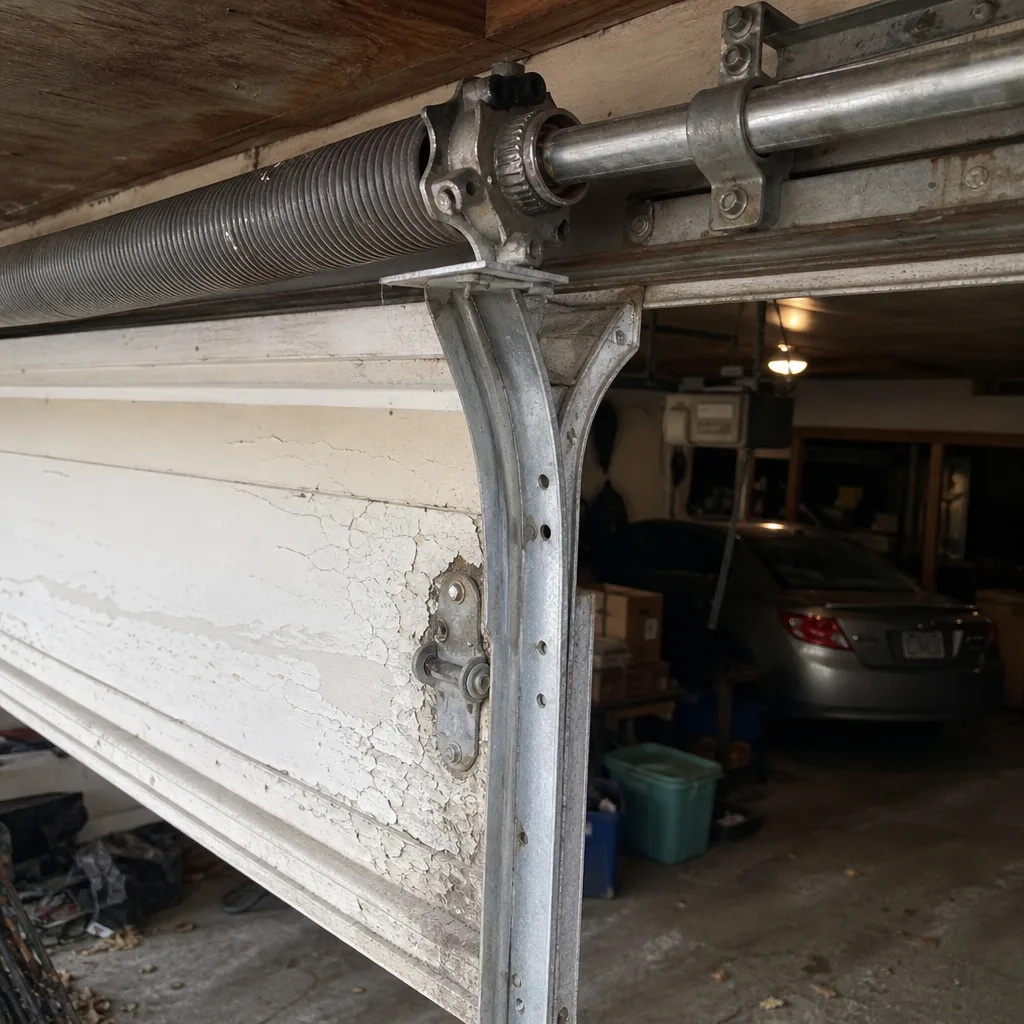 Before
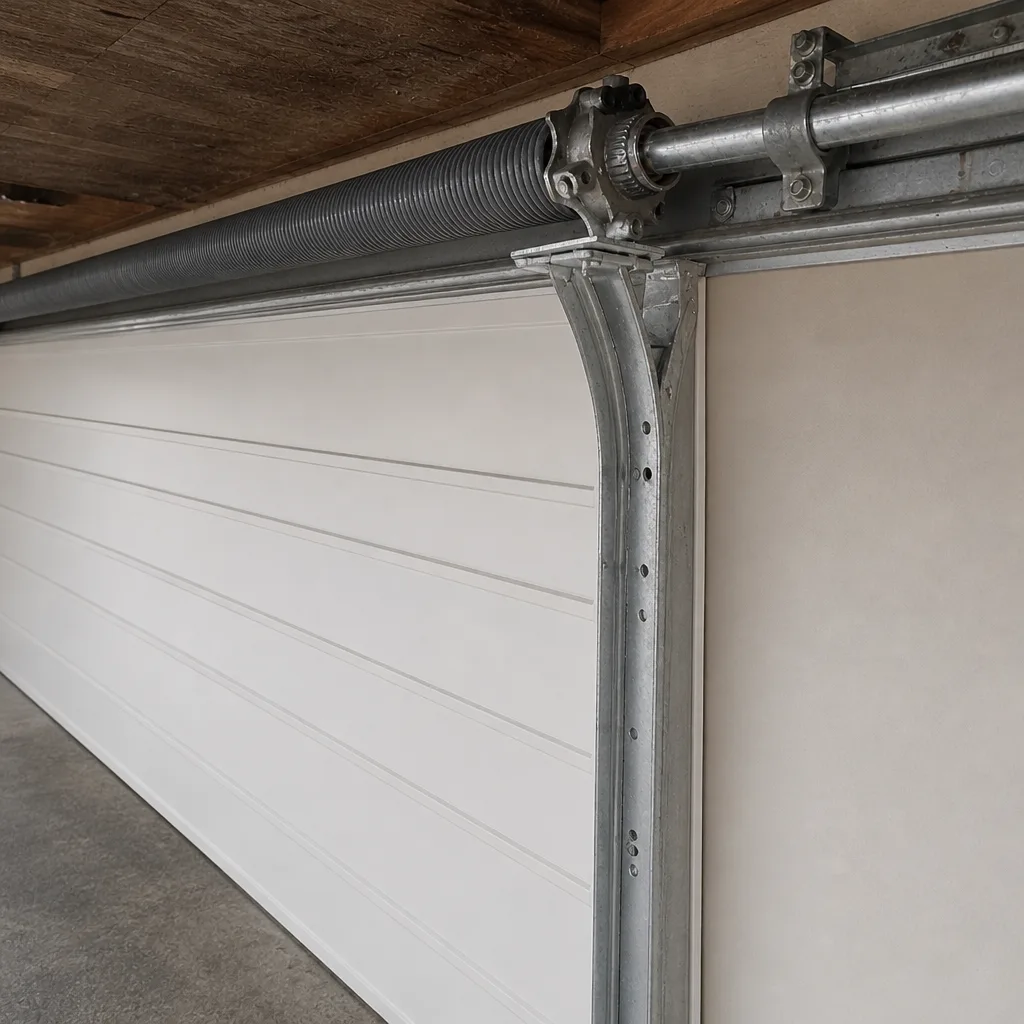 After
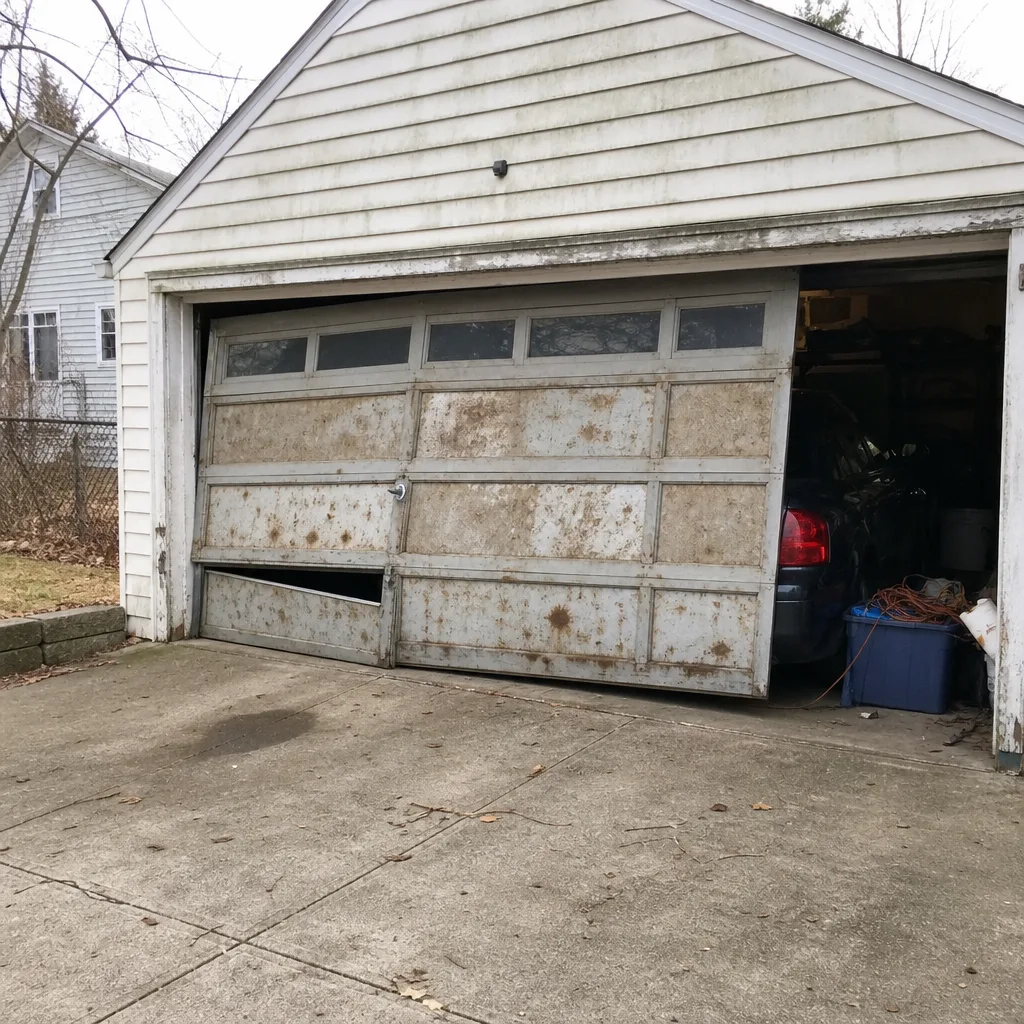 Before
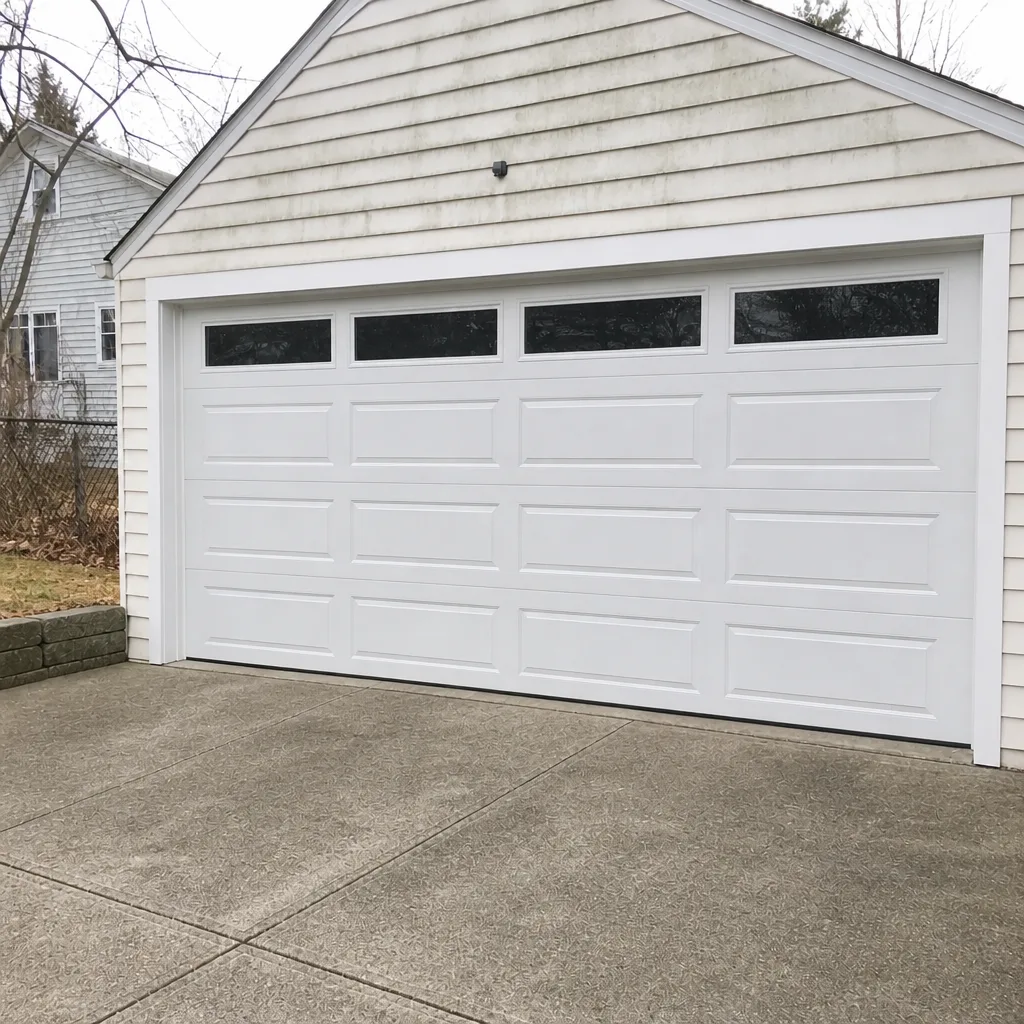 After
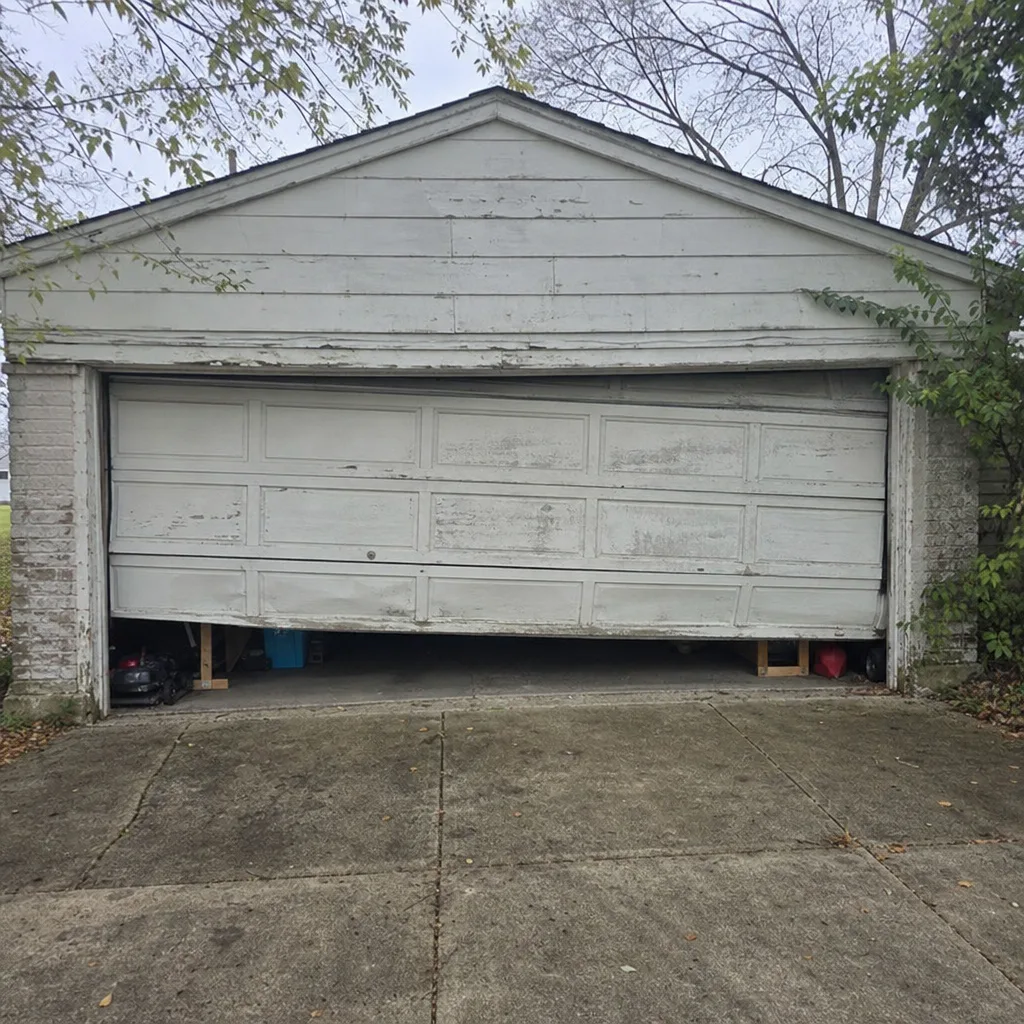 Before
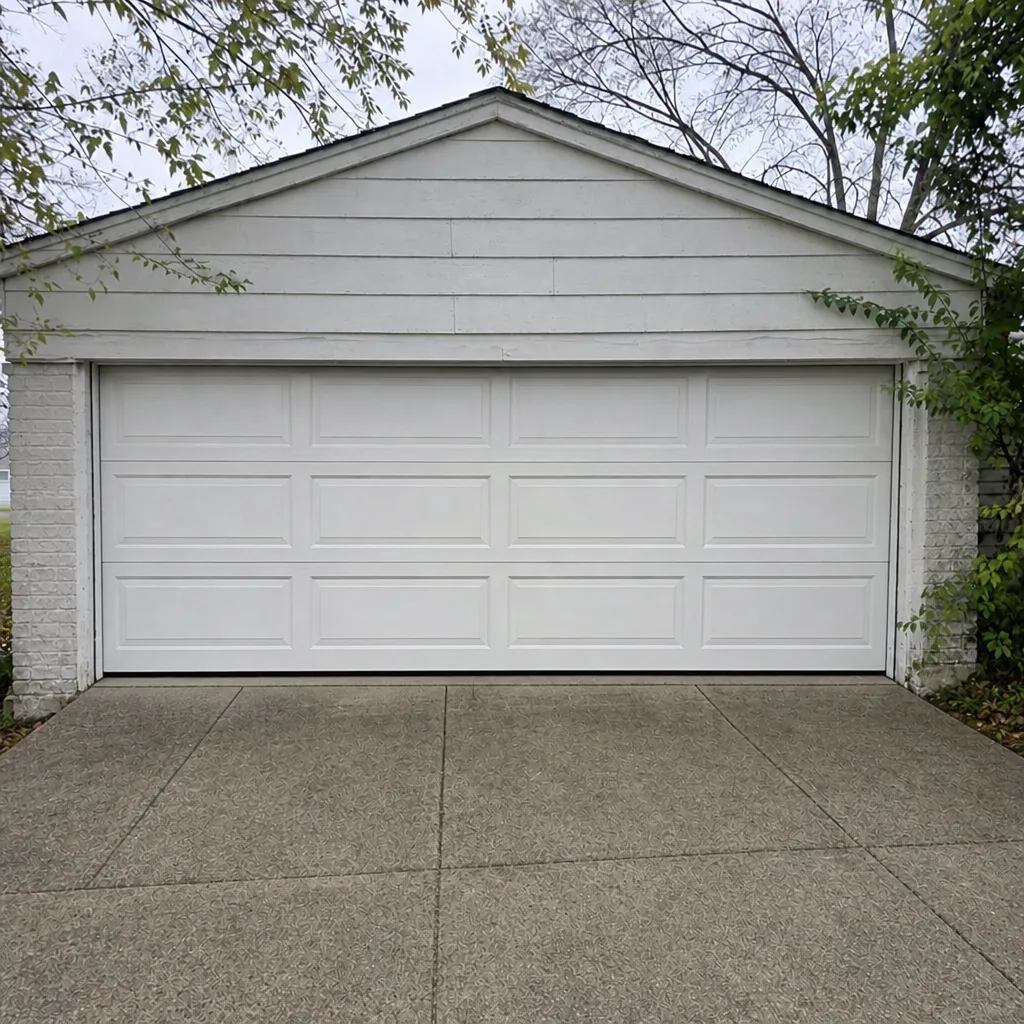 After
When to Call a Professional
Call a professional when your door pauses or reverses before it opens, when the closing cycle is inconsistent or slow, when you see a frayed cable or a gap in a spring coil, when the door hangs crooked or comes off its track, or when you hear a loud pop followed by a door that won’t move. Call when a sensor light won’t go steady after cleaning and alignment, and call when your door squeaks or grinds in a way you can’t identify. If you’re not sure which bucket your door is in, a phone call sorts it out fast. Hyde Park Garage Door Repair offers free estimates in Hyde Park. Call (866) 825-6356 and describe what you’re seeing. If it’s urgent, we handle emergency garage door service because when the door won’t move, we do.
Frequently Asked Questions
The most common sign is a door that hesitates or slows down before it opens, which usually points to a spring losing tension, a cable jumping, or a bound roller. It’s the earliest sign because the opener’s force sensor catches the load change before the door actually fails. If your door pauses before it opens, call (866) 825-6356 for a free estimate.
You can’t safely use a door with a cracked or broken spring, so stop using it and call a professional. The spring carries the door’s weight, and with a break the door is far heavier than the opener is built for. Running the opener risks damaging the motor and the door itself. Call (866) 825-6356 and we’ll get a technician out to assess it.
Yes, a door that closes slowly or reverses partway down is a safety concern because the closing cycle is when the door can hurt someone. The cause is usually a misaligned or failed sensor or the opener’s close-force setting, and a door that fails to reverse when it should is the risky scenario. Stop using the door and call (866) 825-6356.
We service eight of the most widely installed door and opener brands: LiftMaster, Chamberlain, Genie, Clopay, Amarr, Wayne Dalton, Craftsman, and Raynor. That covers the majority of doors in Hyde Park and the surrounding neighborhoods, so the diagnosis starts from what’s actually installed. Call (866) 825-6356 and tell us the brand.
Yes, the sensor test is safe to run yourself and takes about a minute. Clean the sensor lenses, check that both lights are solid, nudge each sensor into line, and place an object in the door’s path to confirm it reverses. If the lights won’t go steady after that, the problem is wiring or a failed sensor and it needs a technician. Call (866) 825-6356 to book a visit.
We offer emergency garage door service for time-sensitive failures, and we prioritize doors that have failed completely. A broken spring, a snapped cable, a door off its track, or a door that won’t open at all are the calls we treat as urgent. Call (866) 825-6356 with what you’re seeing and we’ll get you booked.
The Bottom Line
Garage doors rarely fail without warning. The signs are there if you know how to read them: a hesitation that reports a load problem, a closing cycle that’s slowed even though opening is fine, an asymmetrical gap, a frayed cable, a gap in a spring coil. The single most useful habit is telling a slow door apart from a hesitating door, because one you can schedule and the other you should treat as a call-today problem. When the diagnosis points to a spring, a cable, or an opener setting, stop and call a professional. The right fix, not the easy one, depends on knowing the brand in your garage and the actual component that’s failing. That’s what we’re here for in Hyde Park.
Get a Free Estimate in Hyde Park
If your door is showing any of the stop-using-it signs in this guide, don’t wait for it to fail completely. Hyde Park Garage Door Repair offers free estimates in Hyde Park, and our technicians have up to 10 years of experience reading exactly these warning signs. Call (866) 825-6356 and we’ll help you sort out whether it’s a schedule-it repair or a call-today emergency. Whether it’s a spring, a cable, a sensor, or your opener, we work on the brand already in your garage from opener to panel to full installation.
Written by the team at Hyde Park Garage Door Repair.