Last updated November 20, 2026
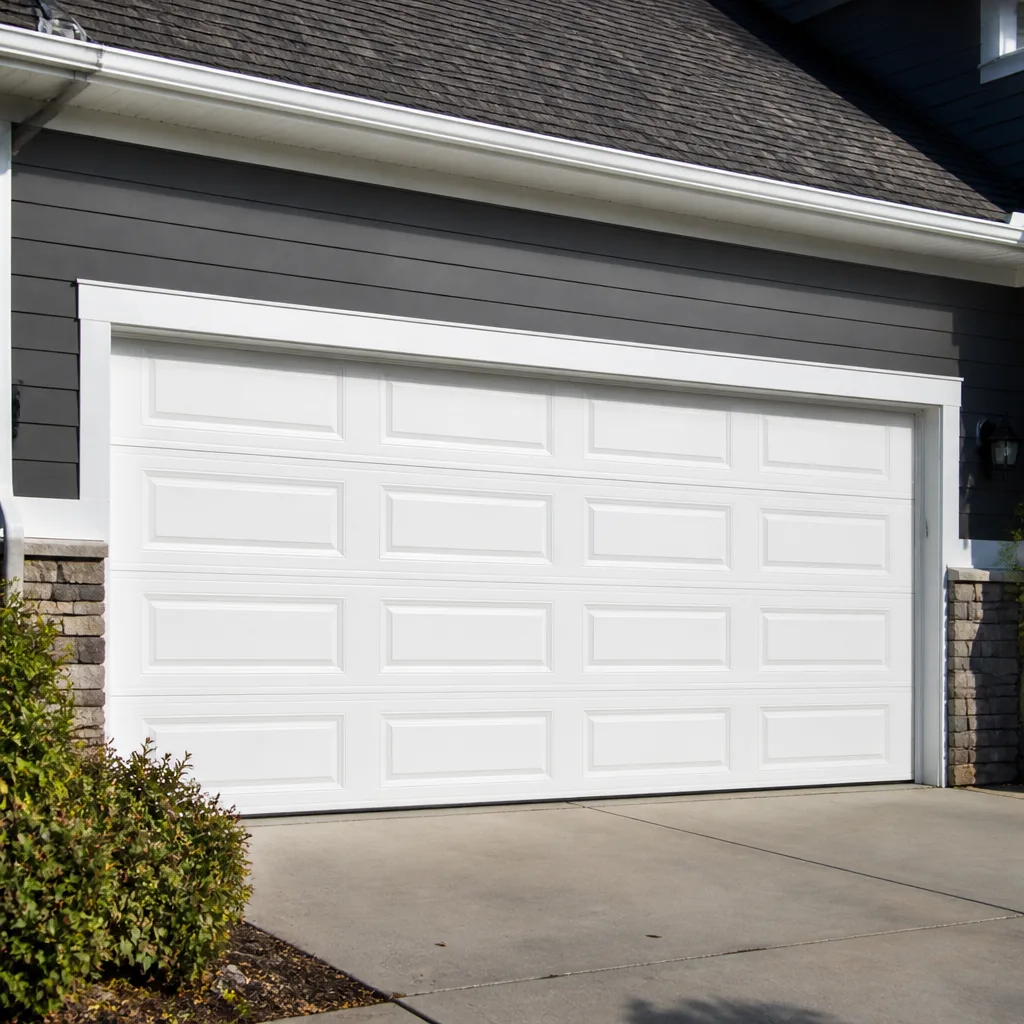 Raised-panel steel
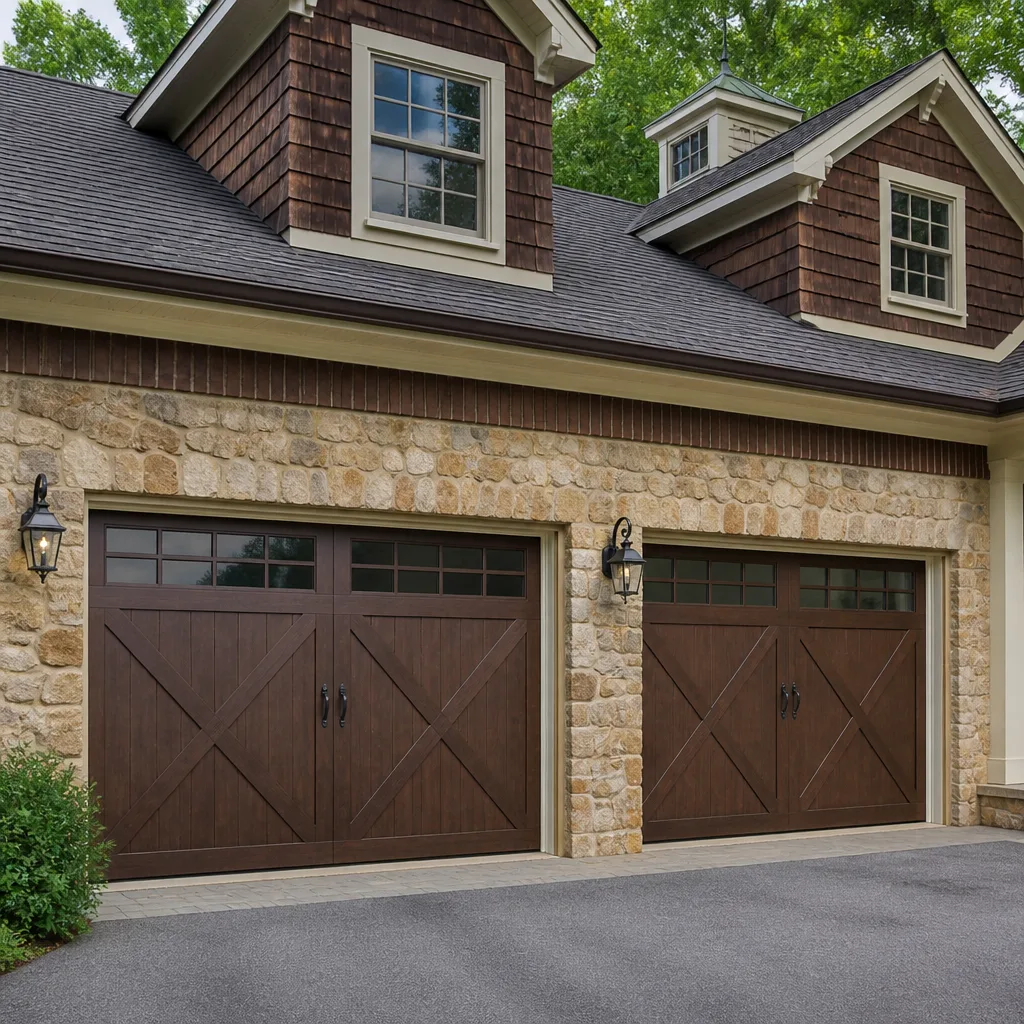 Carriage house
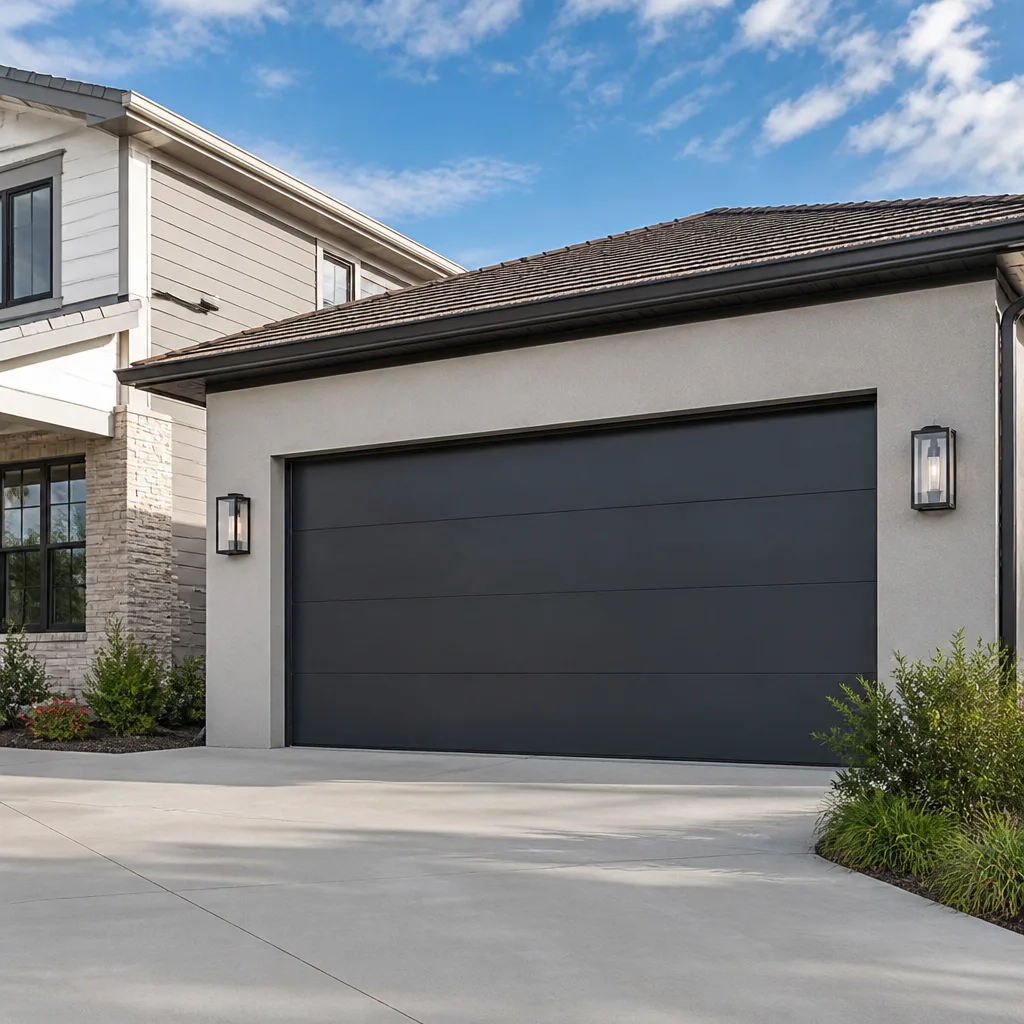 Modern flush
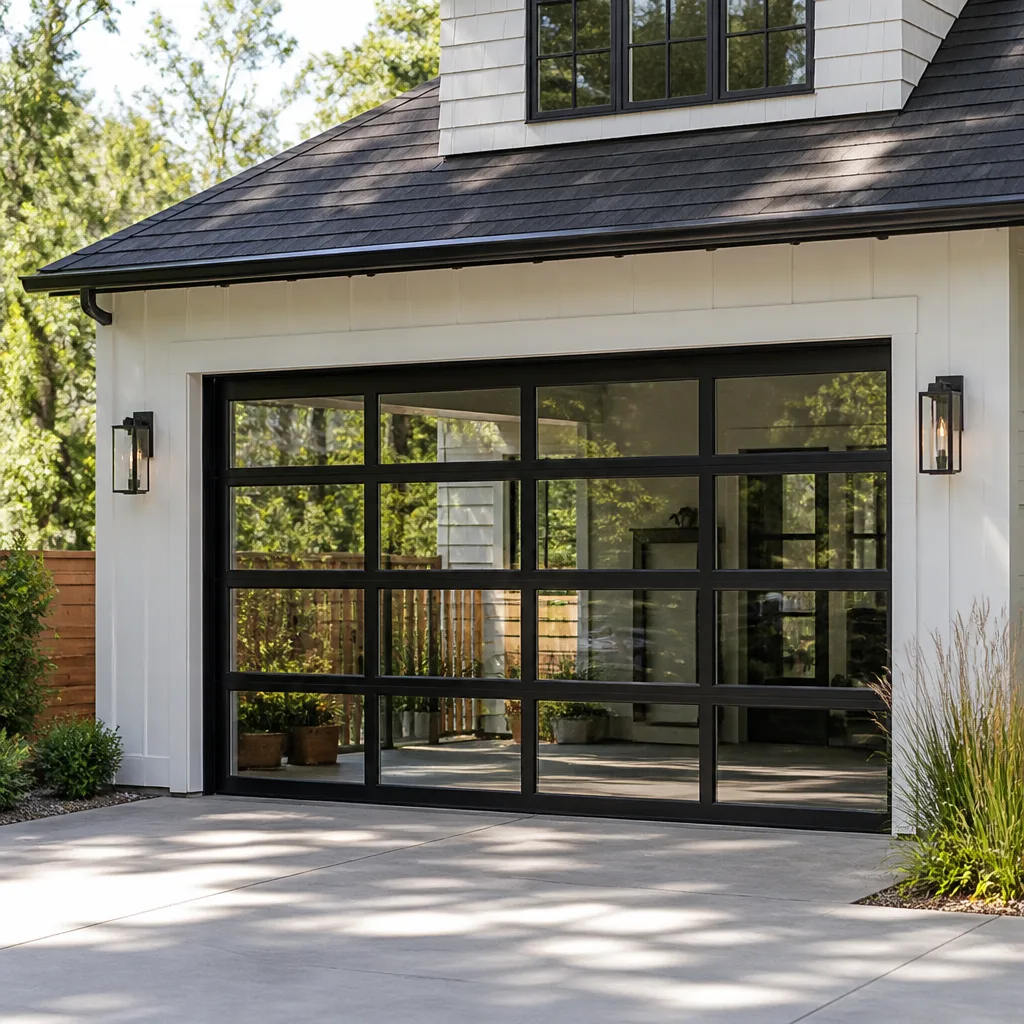 Full-view glass
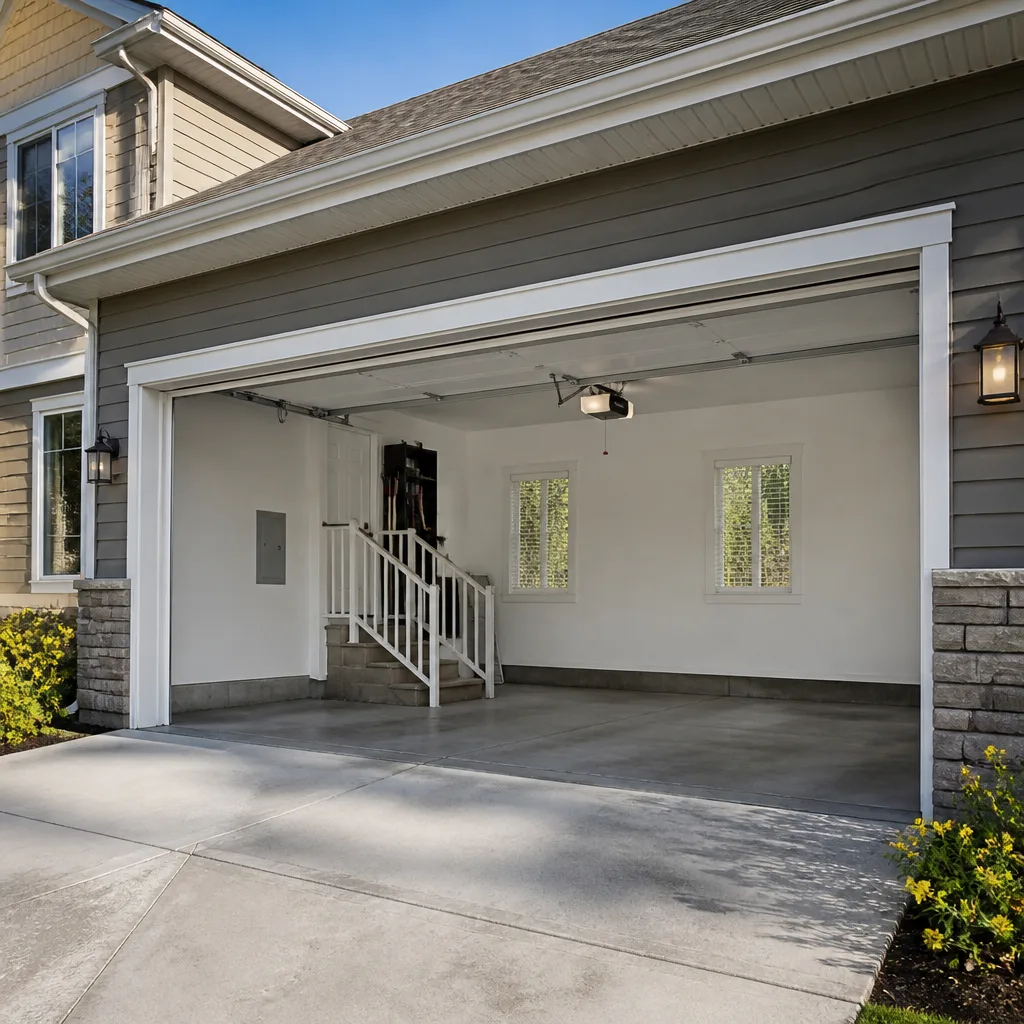 LiftMaster openers
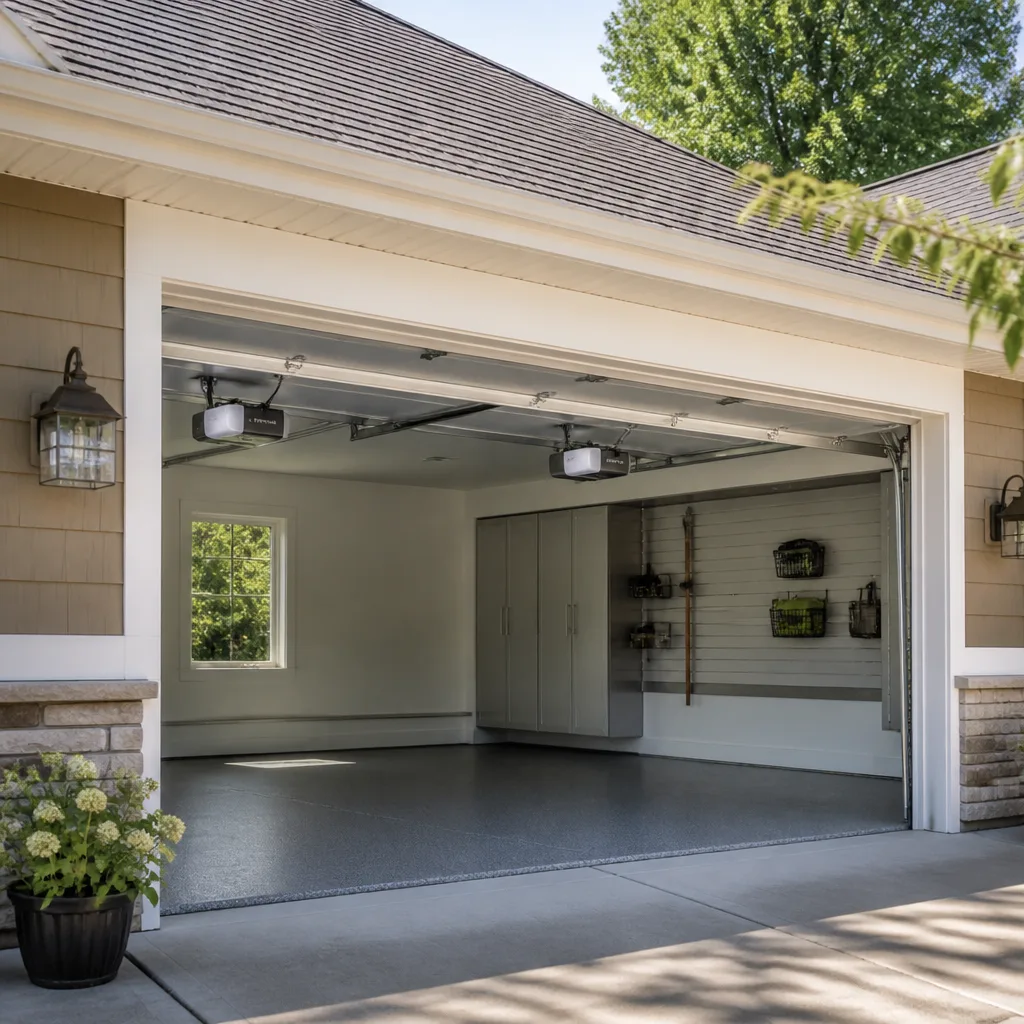 Chamberlain openers
Full 25-point door and opener safety check with every visit - springs, cables, rollers, tracks, and your LiftMaster or Chamberlain opener included
You get a price before we start. It does not change when the pro arrives.
Get your free estimateSeasonal Garage Door Care for Hyde Park: Year-Round Homeowner’s Guide
Most homeowners assume a garage door fails because they forgot to maintain it. In our experience around Hyde Park, that’s rarely the whole story. Springs break in the coldest weeks of an Ohio winter not because nobody touched the door, but because cold steel loses its give, and a spring already near the end of its cycle count picks that exact temperature to give out. A door that ran fine in October can be a coil of broken wire in February. This guide walks you through a calendar built for Southwest Ohio’s real weather, not a generic national checklist: what to do in each season, which parts fail first, and the signs that say fix it now before a bigger bill arrives. By the end, you’ll know exactly what your door needs in Hyde Park and when to call in a pro.
Quick Answer
Seasonal garage door care in Hyde Park means matching maintenance to Southwest Ohio’s freeze-thaw cycle rather than following a generic quarterly list. Lubricate and check spring tension in fall before the first hard freeze, re-check tracks and hardware after every winter thaw, and watch wood panels for moisture swelling through humid summers. That calendar-based approach prevents most of the calls we get from Hyde Park homeowners each winter far better than any blanket “check it four times a year” routine.
Styles & brands we work with
- Raised-panel steel
- Carriage house
- Modern flush
- Full-view glass
- LiftMaster openers
- Chamberlain openers
Table of Contents
- Why Southwest Ohio’s Climate Hits Garage Doors Differently
- Fall Prep: Spring Tension and Lubrication Before Freezing
- Winter: The Season Springs Actually Break
- What Happens to Bottom Seals Through a Freeze-Thaw Cycle
- Spring-Thaw Inspection: Tracks, Hardware and What Shifts
- Summer Humidity, Wood Panels, and Hyde Park’s Older Garages
- Month-by-Month Task Calendar for Southwest Ohio
- When to Call a Professional
Why Southwest Ohio’s Climate Hits Garage Doors Differently
Hyde Park sits in a climate with four distinct seasons, and a garage door feels every one of them. That’s the core problem with any generic maintenance guide you’ll find online: it treats the door the same all year. In practice, each part of the system responds to a different stressor, and those stressors arrive at predictable times in Southwest Ohio.
Cold metal loses elasticity. A torsion spring is literally a coil of steel doing slow, controlled work every time the door opens and closes, and when temperatures drop, that steel becomes less forgiving. Insulation, on the other hand, doesn’t fail from cold. It fails from moisture. Wooden doors and frames, common in older Hyde Park neighborhoods where garages date back many decades, absorb humidity through summer and swell. Seals stay flexible in warm weather and then go brittle through a freeze-thaw cycle that softens and hardens them repeatedly.
The result is that a single spring can be at 70% of its expected cycle life, running perfectly, and then fail at exactly the wrong temperature, the first true cold snap. We see this pattern play out across Hyde Park every winter, and it’s why the fall work matters more than any other single season on the calendar.
If your door is already showing trouble, the deeper diagnostic work belongs with a specialist. Our Hyde Park Garage Door Repair service covers the full range of seasonal and emergency issues a door can throw at you.
Fall Prep: Spring Tension and Lubrication Before Freezing
Fall is the most important season for garage door maintenance in Hyde Park, and the reason is simple: it’s the last time you can prepare the door before temperatures drop below freezing. The work you do in October and early November prevents the most common winter service calls we handle. Two tasks matter most: checking spring tension and lubricating every moving part.
Spring tension comes first. Because torsion springs handle enormous stored energy, checking their tension is not a job to take on yourself. This is one of the highest-risk parts of any garage door, and a spring under load can injure a homeowner badly if handled incorrectly. A trained technician reads the balance and cycle wear safely, and our team specializes in this kind of spring work. If your door feels heavy, binds, or one side lifts before the other, that’s a signal to have a pro look before winter arrives.
Lubrication is something you can do. A thin application of a garage-door-rated lubricant on the rollers, hinges, and tracks keeps everything moving smoothly when the cold makes metal stiffer. Skip the tracks themselves if they’re plastic or vinyl-coated; focus on the moving metal parts. This one task measurably reduces strain on the opener through winter, and it’s the single best thing a homeowner can do before the first hard freeze.
Brand-specific care matters here. A Clopay door with a particular roller assembly, or a Wayne Dalton system with its own hinge design, needs the right lubricant in the right places. Generic grease can gum up in cold weather; the wrong product is worse than none.
Winter: The Season Springs Actually Break
Garage door springs break most often in the cold weeks of winter, and it has nothing to do with whether you remembered to maintain the door. The reason is metallurgy. Steel springs are designed to flex through a set number of cycles, and when temperatures fall, the metal becomes less ductile. A spring that’s worn but still functioning at mild temperatures can lose that last bit of give and snap when it’s asked to work in the cold. A torque spring on the wrong side of its expected life tends to fail in January or February, exactly when you need the door most.
There’s an important distinction to understand: a winding spring from the door’s mechanical lift system, and the insulated panel material itself. Cold makes springs brittle but leaves insulation panels largely unaffected. Winter’s real targets are the springs, the seals, and the moving hardware, not the door’s outer skin.
When a spring breaks, the door becomes dangerous to operate. The motor may strain or the door may drop suddenly. This is when emergency response matters. If your door won’t move or you hear a loud snap, don’t force it. Call us for urgent help. Our garage door repair work covers broken springs, and we also handle garage door opener repair when the motor has been strained by a failed spring.
Signs a Spring Is Close to Failing
- Door feels unusually heavy when you lift it manually
- There’s a visible gap in the coil of a torsion spring
- The opener strains or stalls partway through opening
- You hear a loud bang from the garage
- The door opens a few inches and stops
What Winter Weather Does to Seals and Hardware
Freeze-thaw cycles do more quiet damage than most homeowners realize. Each time water seeps into a seal or around hardware and freezes, it expands, and the thaw that follows leaves things looser and more mobile than before. Hardware that seemed tight in October may be noticeably loose by March. That’s why spring inspection matters: you’re re-checking things that the winter moving cycle has shifted.
Why Insulation Doesn’t Stop the Problem
An insulated door keeps heat in the garage and helps with energy, but insulation doesn’t protect the spring mechanism. A well-insulated Clopay or Amarr door can still have a failing spring. Insulation and mechanism are separate systems, and a door can be warm in the garage and one cold snap away from a broken spring.
What Happens to Bottom Seals Through a Freeze-Thaw Cycle
The bottom seal on your garage door is a small strip of rubber or vinyl that does a surprisingly large amount of work: it keeps out pests, drafts, and water. Through an Ohio freeze-thaw cycle, that strip takes real punishment. Water settles along the garage floor and the door bottom, freezes overnight, and expands in the seal material. The thaw softens it. This happens many times over a winter, and the seal gradually loses its flexibility.
By the time the door looks fine from the outside, the seal may be cracked, compressed, or torn. The most reliable sign that replacement is due is a gap you can see light through when the door is closed, or visible crumbling at the edges of the seal. If you can see daylight along the bottom of the door in Hyde Park through winter, a new seal needs to go on before the next cold stretch.
Replacing a bottom seal yourself is possible, but a proper replacement depends on the seal type matching the door. The right seal for a Wayne Dalton door, or for a wooden-frame Clopay installation, isn’t universal. It shouldn’t just sit loosely and seal against the floor’s irregular surface.
Insulating a well-tuned door and replacing a worn bottom seal together do more for garage comfort than people expect. Keeping the cold air out means the garage stays warmer, and less moisture finds its way to wooden frames and inside panels.
Spring-Thaw Inspection: Tracks, Hardware and What Shifts
Spring is inspection season, and the reason is the freeze-thaw cycle that every Ohio winter puts a door through. The ground moves, the garage floor heaves slightly, and the door tracks, which are attached to the wall and the floor, shift with it. Hardware loosens. Small movements accumulate, and by the time the ground settles, a door that ran smoothly in November may bind, scrape, or run unevenly.
The inspection after a hard winter should cover three things:
- Track alignment. Check that both tracks are vertical and parallel. If one side looks slightly off, or the door rubs against a track, that’s a sign the winter shifted it.
- Bolts and hinges. Loose hardware causes a door to wobble and the opener to work harder. A quick tightening pass catches most of it.
- Roller condition. Rollers that have gone stiff or flat-spotted over winter need replacing. Greasing them won’t fix a worn roller.
Tracks that aren’t aligned properly cause friction, and friction strains the opener. The result is a door that feels rough and a motor that runs harder than it should. If you didn’t have a spring inspection this year, and your door is now acting out of sorts, it’s worth reaching out. Our team can check track alignment and hardware in a single visit and address anything the winter moved.
Small noises, especially from the door’s movement over the weekend, are often the first clue that the track shifted. If the door was fine and then starts making noise after a hard freeze, don’t wait.
Summer Humidity, Wood Panels, and Hyde Park’s Older Garages
Summer in Hyde Park and the surrounding older neighborhoods is humid, and that humidity is hard on wooden garage doors and wooden frame garages. Wood absorbs moisture, swells, and then, when it dries in the fall, shrinks. That cycle, repeated over many summers, wears at joints and finishes. Some doors are also genuinely made of wood or wood composite with a painted or stained surface.
Panels that face south get the most sun and the most expansion and contraction from that humidity cycle. On a wood door, watch for:
- Panels that no longer line up evenly with their neighbors
- Paint or stain peeling from the bottom up or along panel edges
- A door that starts to bind or stick in the summer, then loosens in fall
Wooden frame garages need the same attention. If the frame itself has absorbed moisture, the door may sit slightly differently in the opening. Repainting or resealing wood panels before a humid summer is a real maintenance task, not cosmetic upkeep.
Summer also stresses the opener. Rolling resistance can rise with humidity, and a door that needs more effort puts more strain on the drive system. If the opener is a Genie or a smart-home-connected LiftMaster, it may work harder through humid months. Keep an eye on the door’s behavior when July arrives; slowness or a rougher movement is worth investigating.
For new door decisions, it’s worth asking what the door is made of and how it handles humidity. Our team can talk through whether a wood door or a lower-maintenance material suits a humid Hyde Park summer better. Our garage door installation service covers the full range of door types and brands. When a wooden frame has aged and you’re weighing options, that’s a good conversation to have before the next humid stretch.
Month-by-Month Task Calendar for Southwest Ohio
Hyde Park’s climate doesn’t fit a national checklist. This calendar follows Southwest Ohio’s actual pattern. Some months have a light check; others carry the work that prevents real damage.
- September: Visual inspection of the door and tracks. Note any noises or slowing.
- October: The critical spring check. Have spring tension evaluated by a technician before freezing temperatures arrive.
- November: Lubricate rollers, hinges, and tracks. Test the balance of the door. Confirm bottom seal is intact before cold weather sets in.
- December: First hard freeze. Watch for any signs of a struggling spring. Keep the door path clear of snow and ice.
- January and February: Peak spring failure window. Avoid forcing a door that won’t move. Call if a spring goes.
- March: Spring-thaw inspection. Check track alignment, tighten hardware, inspect rollers.
- April and May: Repair any damage from winter. Replace worn seals or rollers. Check for any post-winter movement.
- June through August: Watch wooden doors for humidity swelling. Test the opener’s effort through humid weather. Repaint or reseal wood surfaces as needed.
This calendar beats a generic quarterly list because it puts the hard work exactly where Ohio weather makes it count: the fall spring check and the spring-thaw inspection. Those two moments prevent most of what would otherwise be a breakdown or an emergency call.
Why This Calendar Beats a Generic Checklist
A national maintenance guide will tell you to inspect the door four times a year, check the balance, and keep the tracks lubricated. All of that is fine. It just doesn’t account for the fact that a spring in Ohio is under its greatest stress in January, and by the time a homeowner follows a generic spring check, the cold has already done its work. Timing matters more than frequency. The fall and spring inspections are the two points where a specific action prevents a specific failure.
Brand Awareness Across Seasons
Different door systems need different attention, and knowing the brand matters. A Clopay swing door and a Wayne Dalton sectional door don’t wear the same way. An Amarr door may have a specific hardware pattern that loosens differently. Our team works on the brands already in your garage: LiftMaster, Chamberlain, Genie, Clopay, Amarr, Wayne Dalton, Craftsman, and Raynor. That matters because the right fix is brand-specific, and what works on one system can be wrong for another.
Common Mistakes to Avoid
- Skipping the fall spring check. The single biggest cause of a winter breakdown, and the most avoidable. Have a technician evaluate spring tension before the first freeze.
- Using the wrong lubricant. Grease that thickens in cold can make rollers stiff and strain the opener. Use a product rated for garage door hardware.
- Ignoring the bottom seal. A small gap lets moisture in, and moisture causes the freeze-thaw wear homeowners don’t notice until the frame is damaged.
- Forcing a door that won’t move. If the door won’t open after a cold snap, don’t keep pushing the opener. A strained mechanism can break the opener as well as the spring.
- Treating a wood door’s summer swelling as cosmetic. Swelling panels can bind and shift door alignment. Handle moisture early rather than repainting later.
- Skipping the post-winter track check. The freeze-thaw cycle shifts tracks and loosens hardware. A quick alignment check after each hard winter prevents friction and premature opener wear.
- Buying a door without considering the climate. A door for a humid Hyde Park garage needs to suit wood frames, humidity, and the long-term cycle of swelling and drying. Talk through materials before choosing.
See the difference
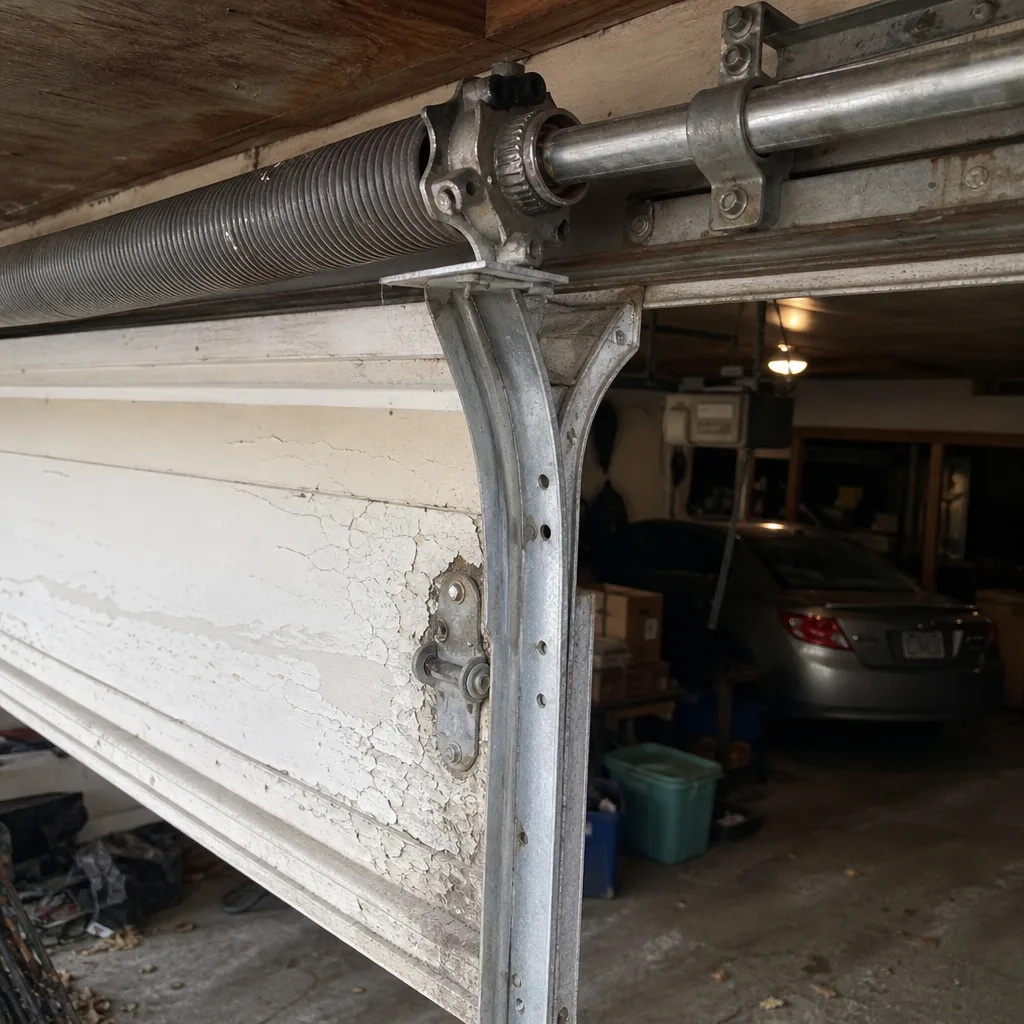 Before
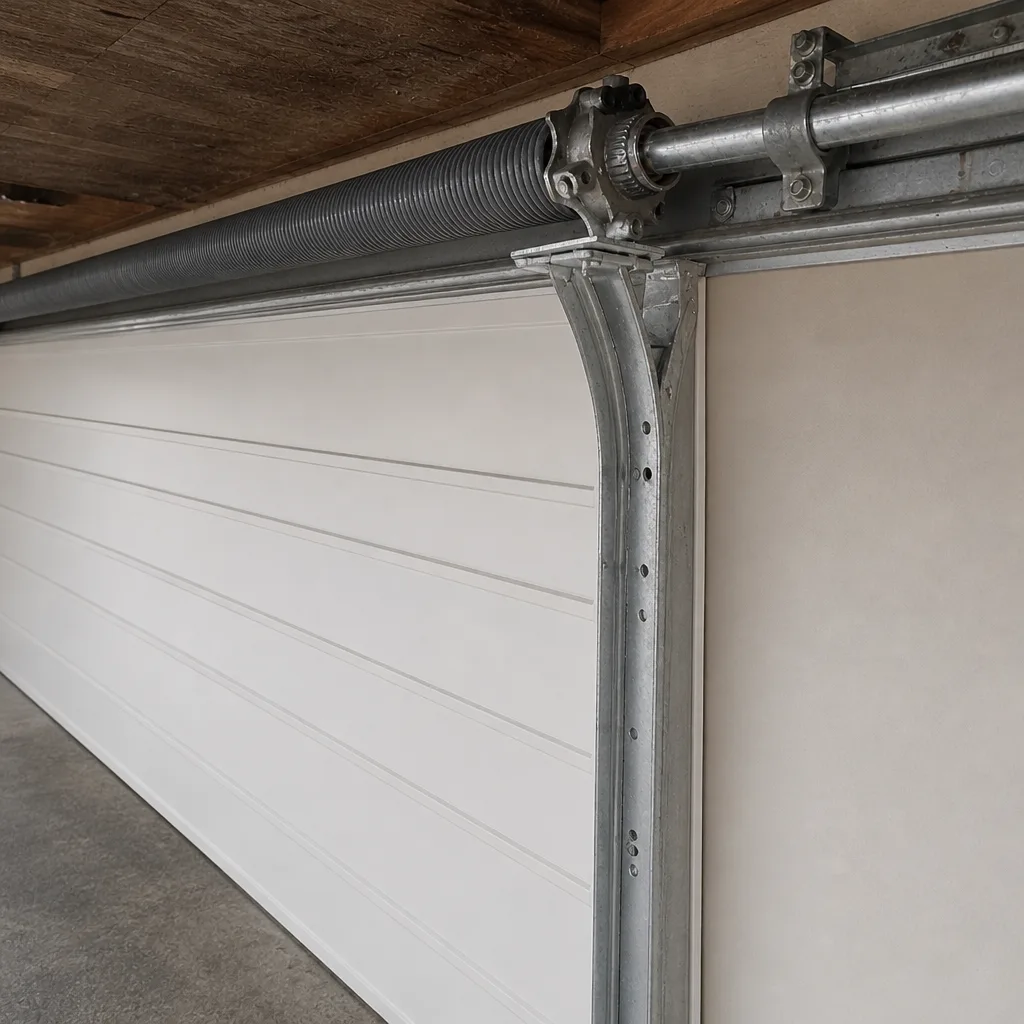 After
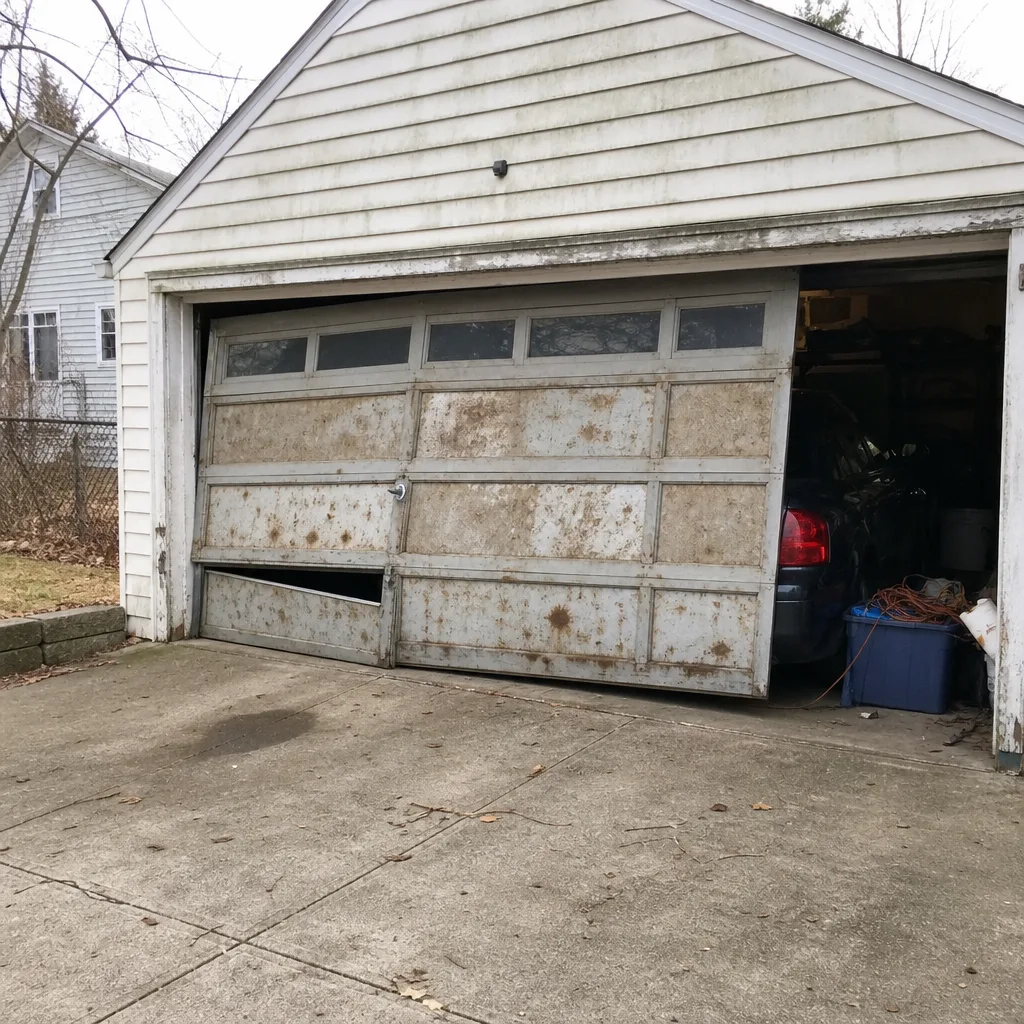 Before
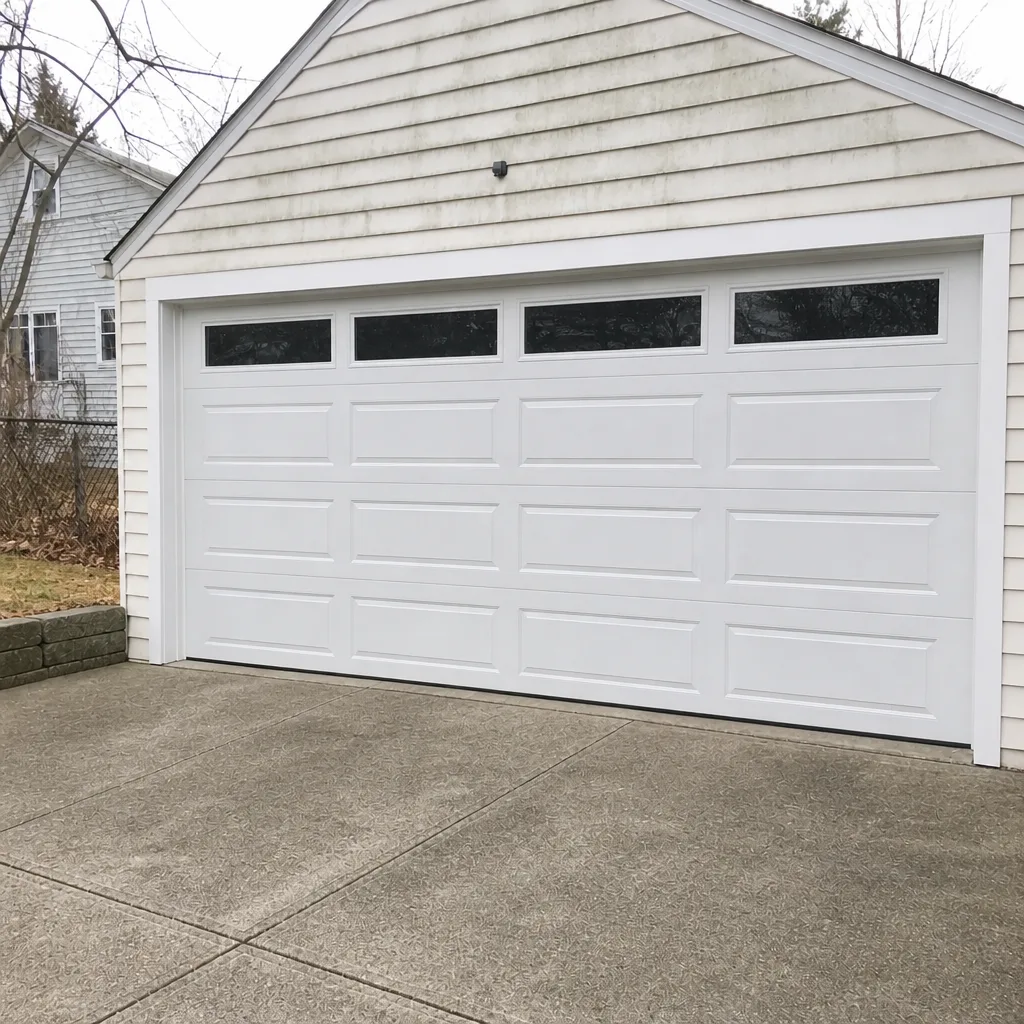 After
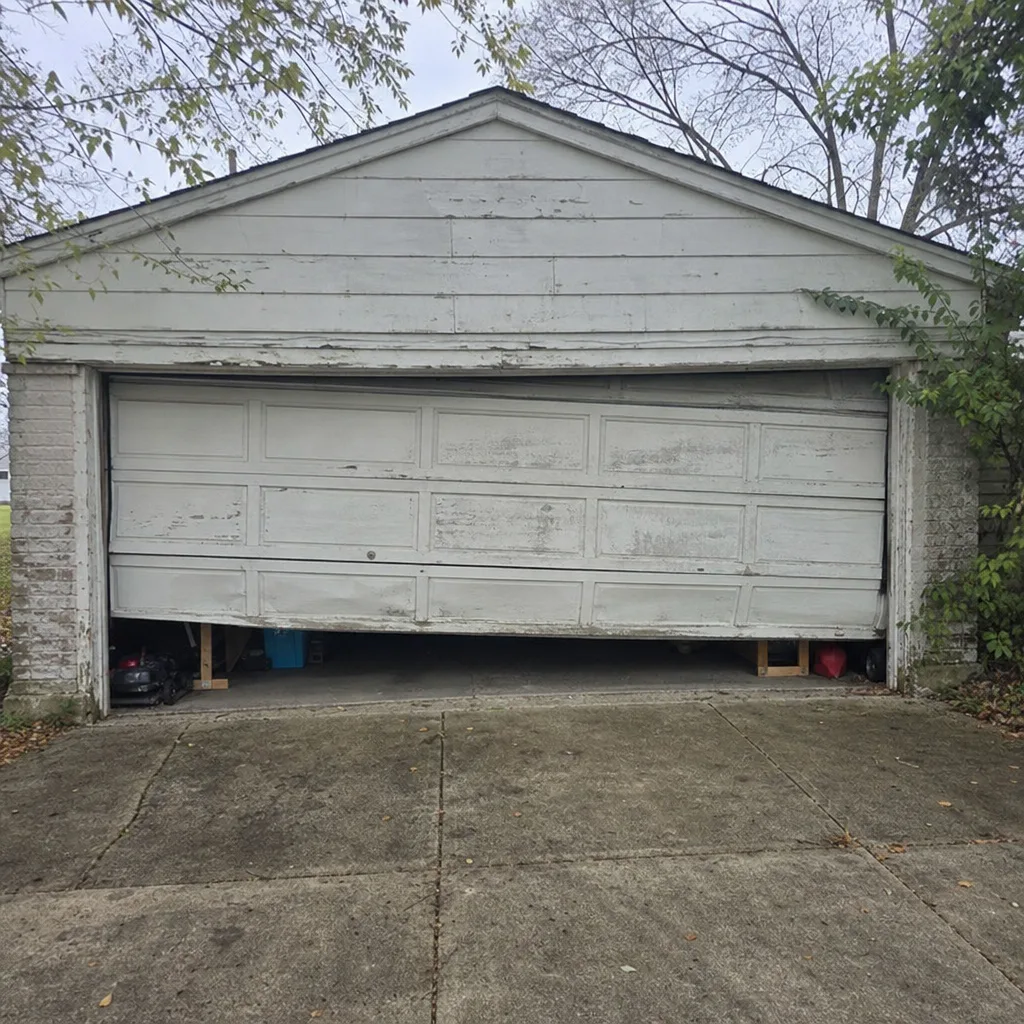 Before
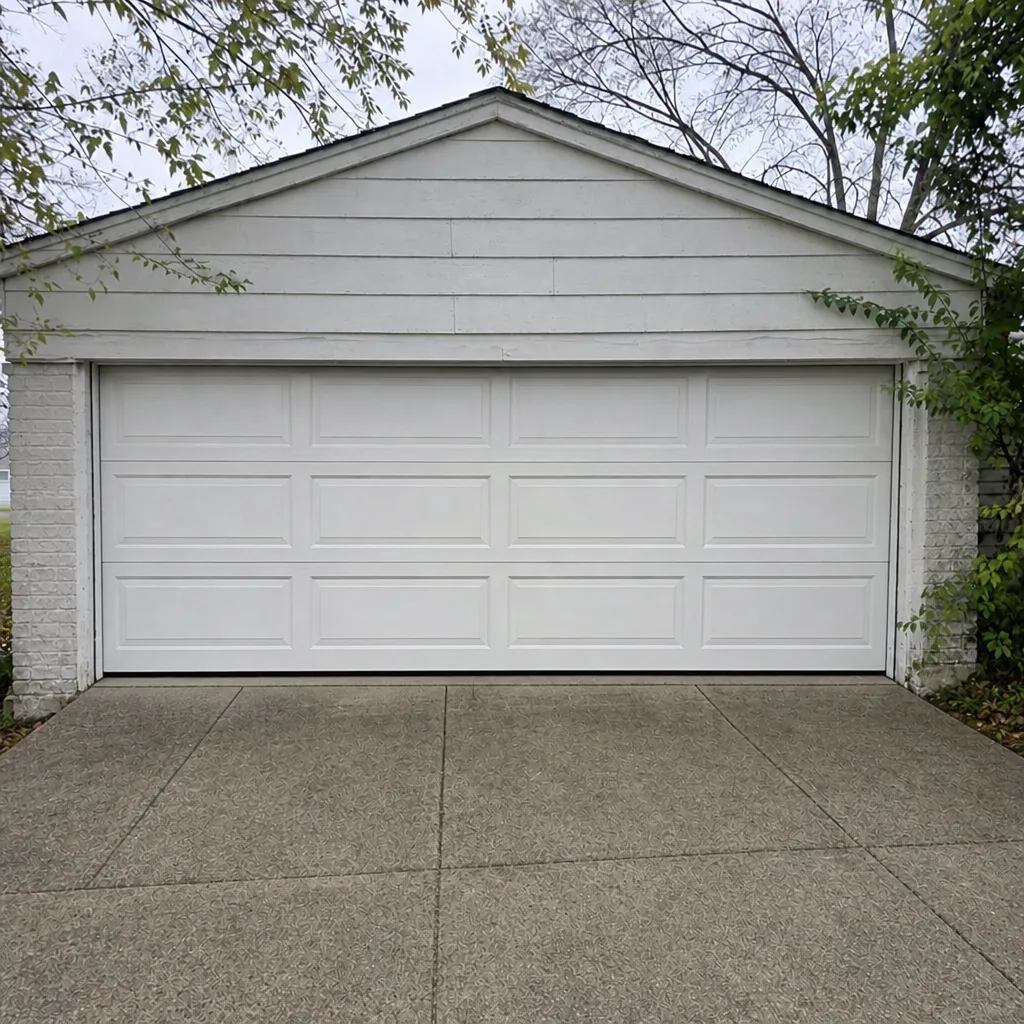 After
When to Call a Professional
Some seasonal care is genuinely yours: lubricating moving parts, watching for visible damage, and keeping the door path clear. Other work is not a homeowner task. A broken or worn torsion spring, a door that drops suddenly, a track that’s clearly out of alignment, a wood frame that’s warped from moisture, or an opener that’s straining or failing all need a trained technician. Springs are the highest-risk part of any garage door system, and a damaged spring under load can cause serious injury if handled incorrectly. For an emergency, like a broken spring in the coldest weeks or a door that won’t move at all, call our team for a rapid response. Hyde Park Garage Door Repair offers free estimates in Hyde Park: call (866) 825-6356.
Frequently Asked Questions
Spring repair pricing is set by a written estimate after we inspect the door, so we don’t quote a flat number before we’ve seen the job. A matched pair of springs is normally replaced together. Call (866) 825-6356 for a free, no-obligation estimate; the price we give you in writing is the price you pay before any work begins.
Cold makes steel springs less flexible, so a spring that’s already near its cycle limit fails when temperatures drop. In Southwest Ohio, the hardest weeks for springs are January and February. A fall spring check is the best way to catch a spring that’s close to failing before the cold snap arrives.
Lubricating the moving parts, the rollers, hinges, and tracks, is a task most homeowners can handle safely. What you should not do yourself is adjust or replace a torsion spring, since it holds enormous stored energy. If you’re unsure where a moving part is or whether it’s gripping the right way, a technician should check it.
As soon as the ground settles in early spring, usually March. The freeze-thaw cycle shifts track alignment and loosens hardware, and catching those small shifts early prevents friction and premature opener wear. If your door starts making noise or running unevenly after a cold winter, that’s a clear reason to have it checked.
Yes, wood and wood-composite panels absorb humidity, which is why summer swelling is common in older Hyde Park neighborhoods. If panels no longer line up or the door binds in summer, that’s a sign the wood needs attention. Repainting or resealing before a humid summer helps, and a technician can check whether the frame has affected door alignment.
We service eight major brands: LiftMaster, Chamberlain, Genie, Clopay, Amarr, Wayne Dalton, Craftsman, and Raynor. That covers the majority of residential doors and openers in the Hyde Park area. If you’re not sure of your brand, we can identify it during the visit. Call (866) 825-6356 to confirm before you book.
The Bottom Line
The right maintenance plan for a Hyde Park garage door follows Southwest Ohio’s weather, not a national calendar. The two moments that prevent the most damage are the fall spring check, done before freezing temperatures arrive, and the post-winter track inspection, done as the ground settles. In between, lubricating moving parts, watching bottom seals through the freeze-thaw cycle, and keeping wood panels dry through humid summers cover the rest. Our technicians have up to 10 years of experience servicing every major brand. When the work is beyond seasonal care, or when a spring gives out in the coldest weeks, a trained specialist is the right call. We work on the brand already in your garage, from opener to panel to full installation.
Call Hyde Park Garage Door Repair at (866) 825-6356 for a free estimate. We’ll look at what your door actually needs, tailor the seasonal schedule to your garage, and give you a clear written price before any work starts.
Written by the team at Hyde Park Garage Door Repair.