Last updated November 20, 2026
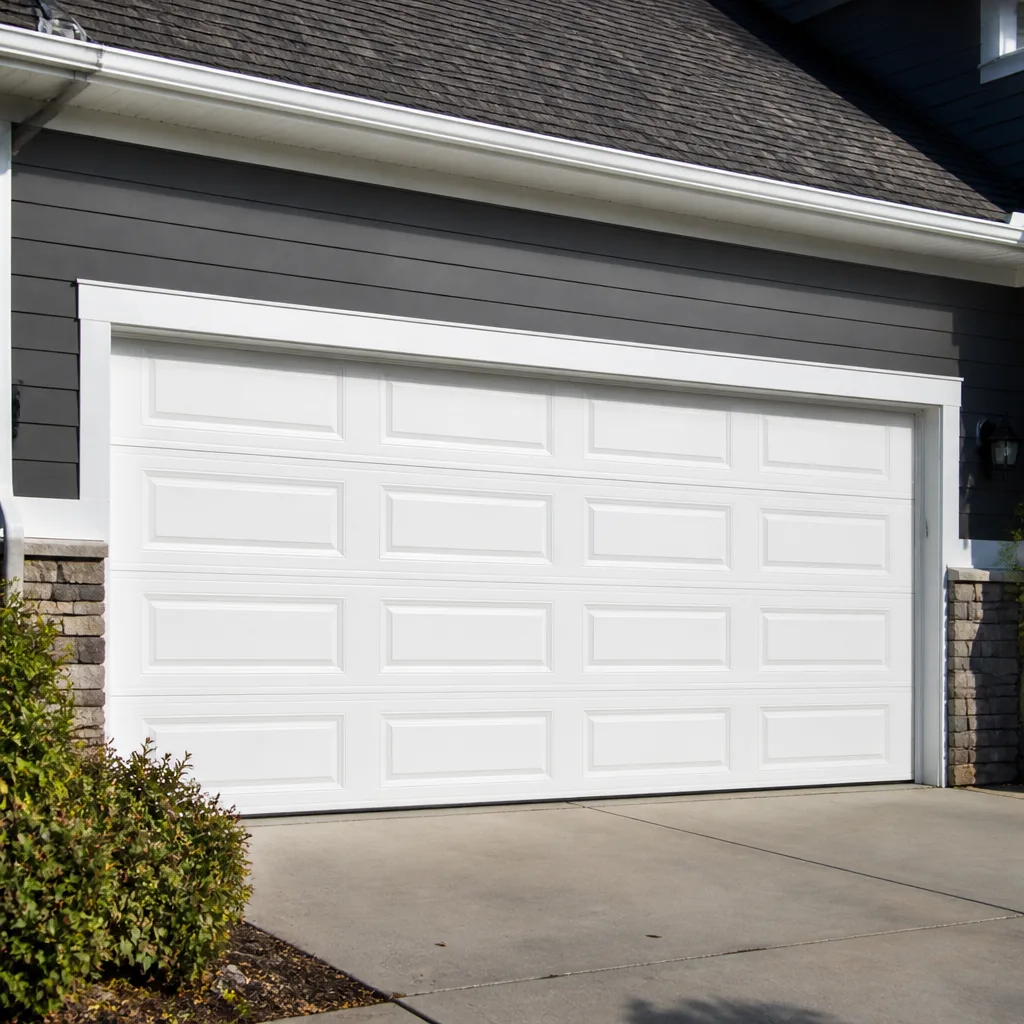 Raised-panel steel
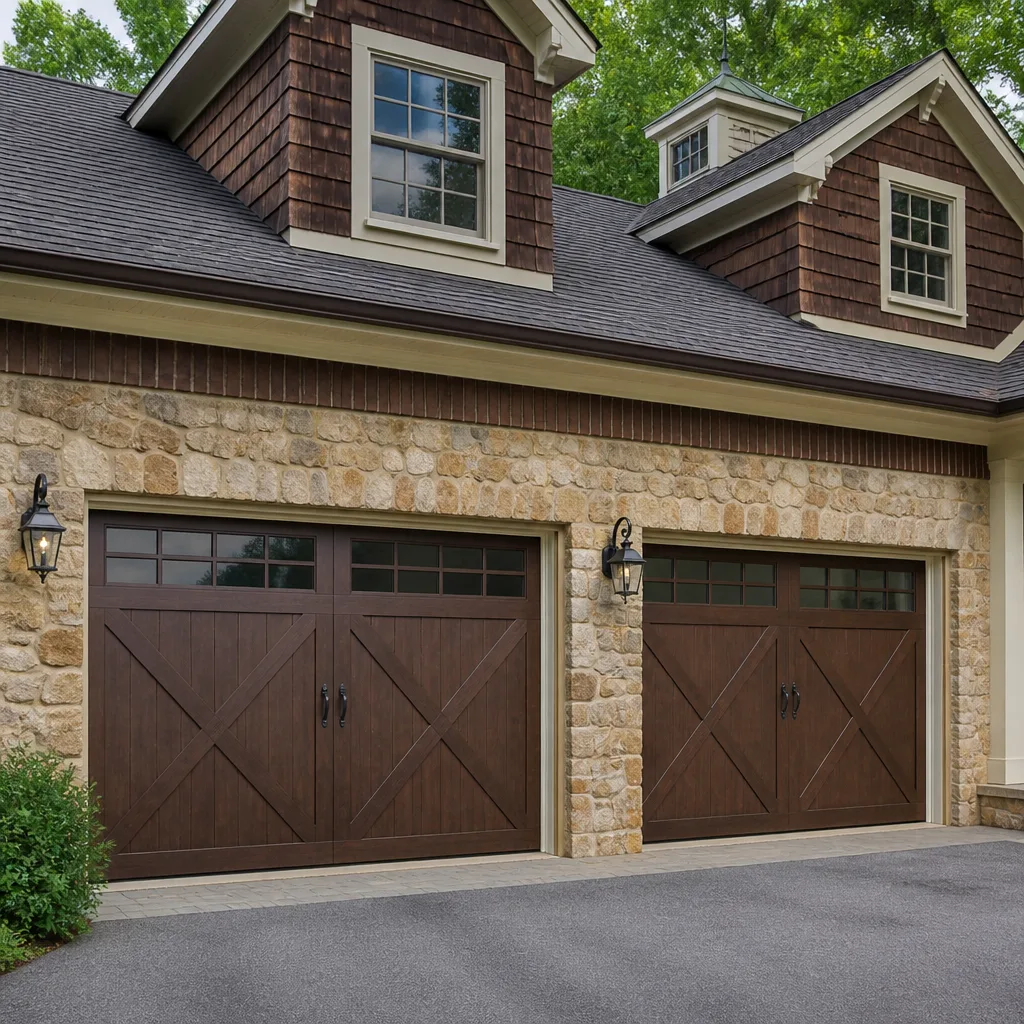 Carriage house
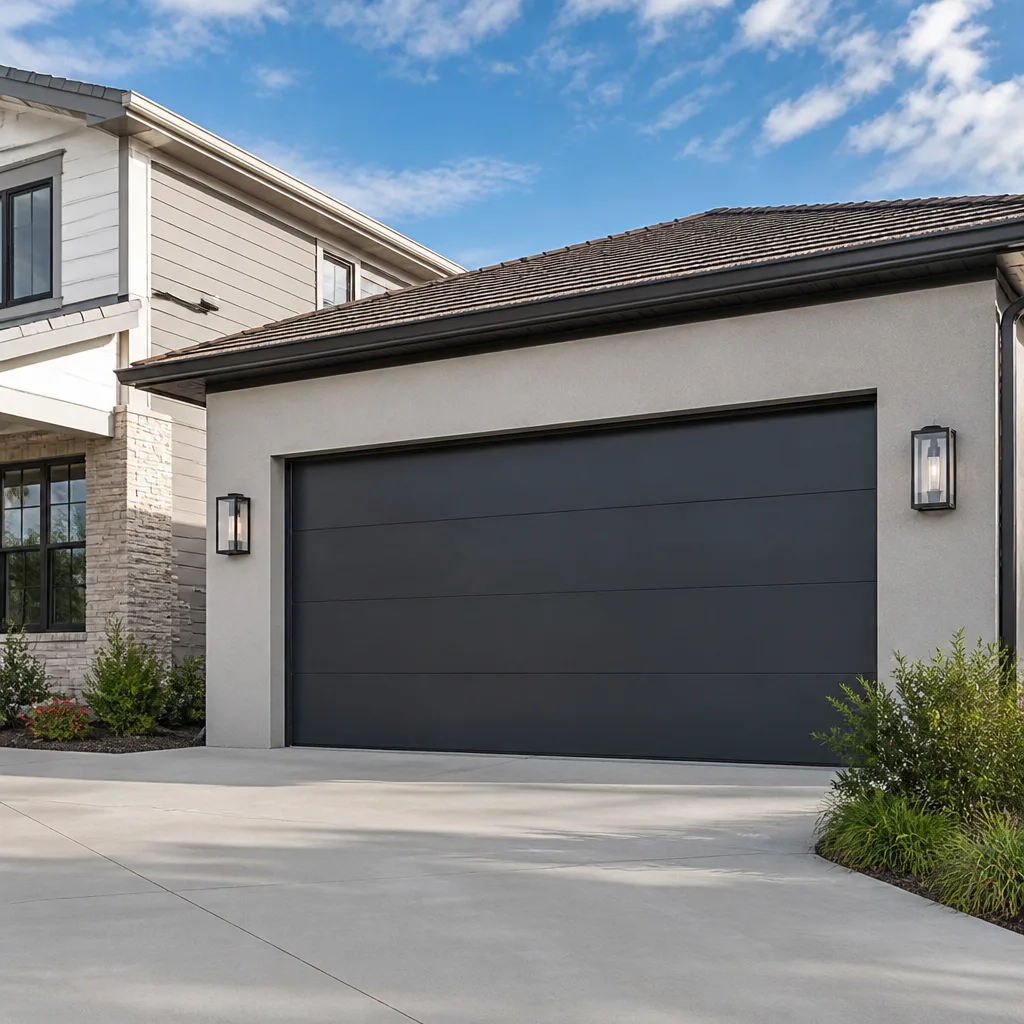 Modern flush
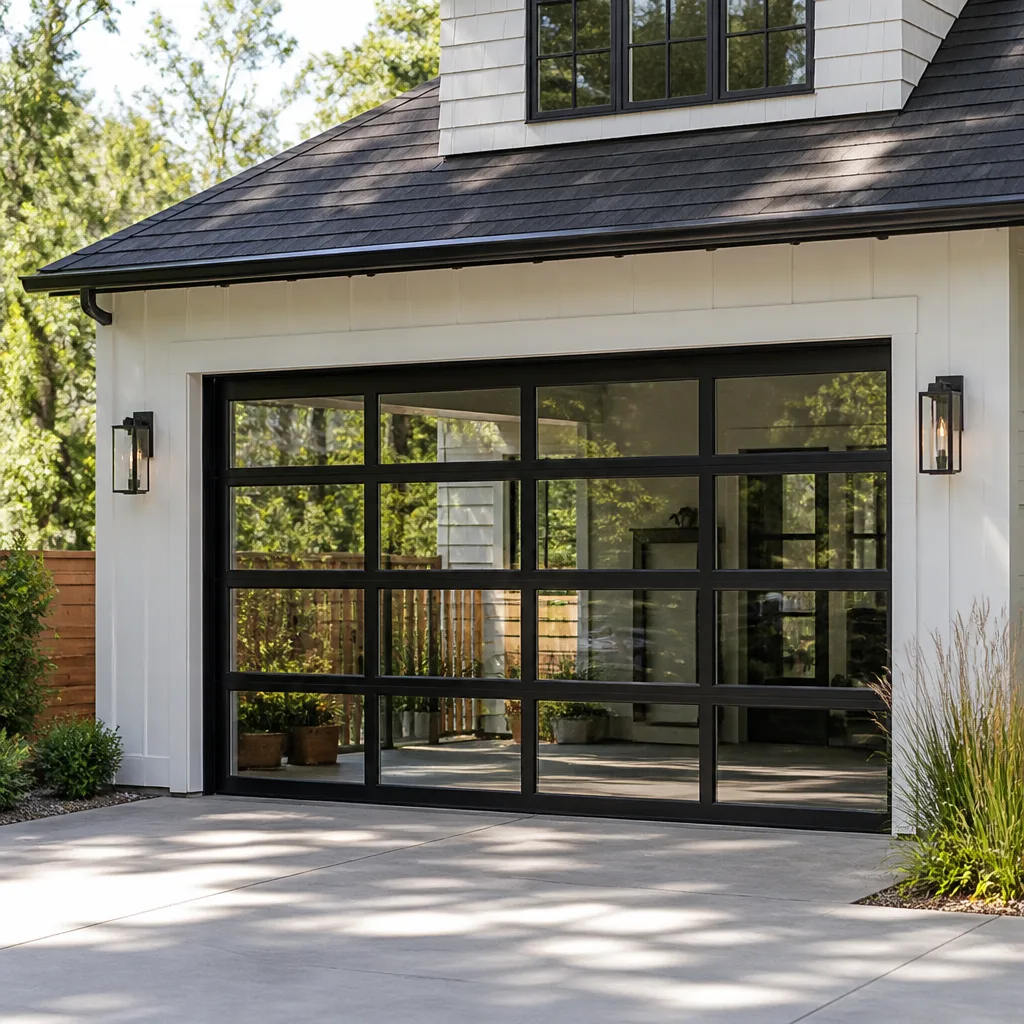 Full-view glass
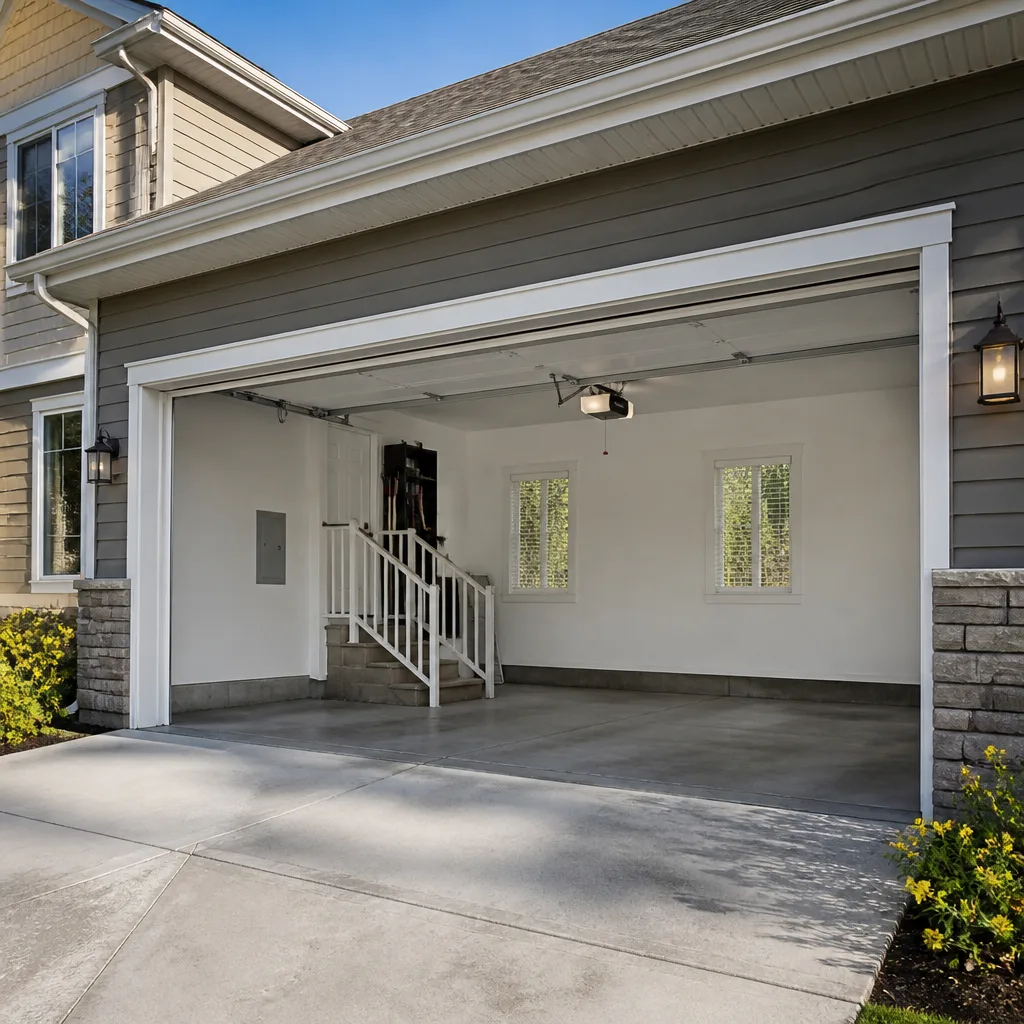 LiftMaster openers
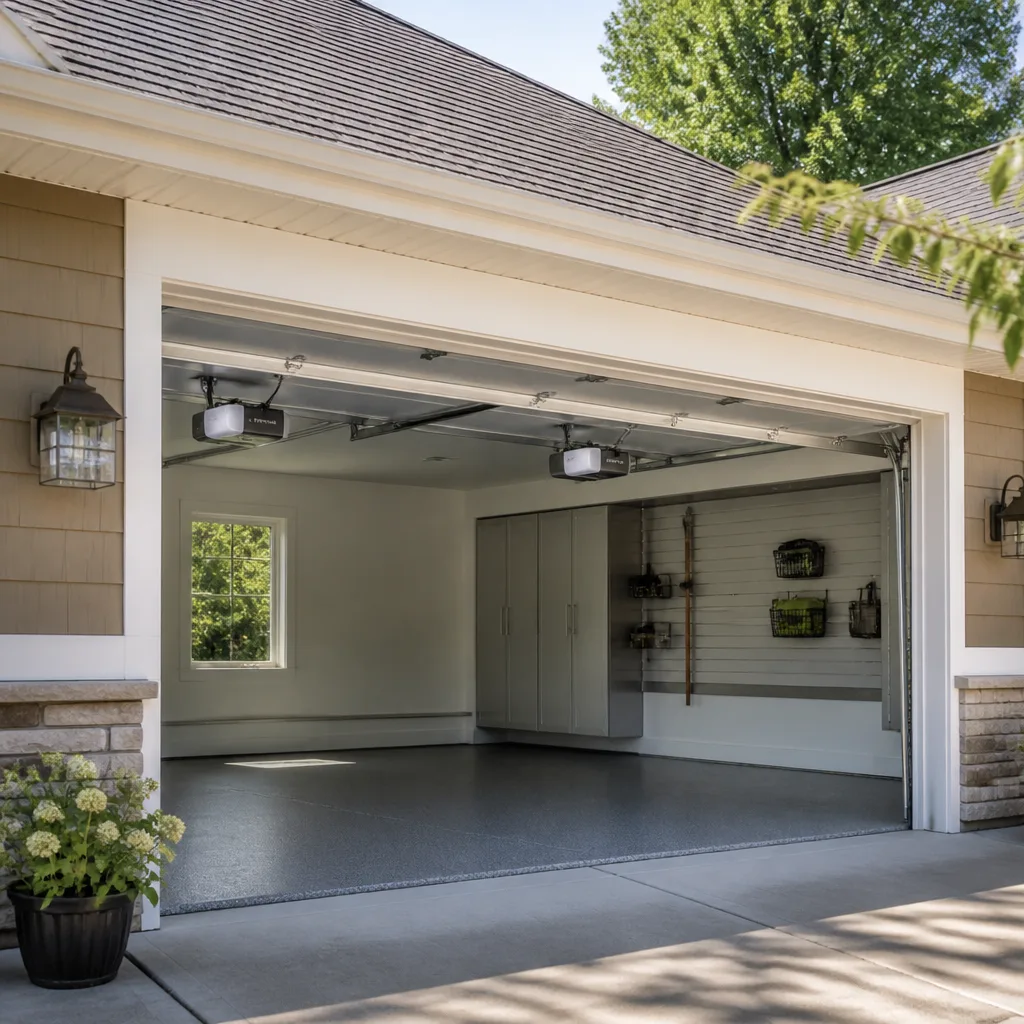 Chamberlain openers
Full 25-point door and opener safety check with every visit - springs, cables, rollers, tracks, and your LiftMaster or Chamberlain opener included
You get a price before we start. It does not change when the pro arrives.
Get your free estimateThe Complete Guide to Garage Doors in Hyde Park
Most garage door guides start with “choose your style.” Hyde Park homeowners often need to start one step earlier: figuring out whether the opening the original builder left will accept a modern door at all. Much of the housing here went up between the 1940s and 1980s, and that stretch of construction left behind rough openings, header heights and spring setups that don’t match the dimensions on a showroom floor. That’s why so many replacements in Hyde Park hit a snag that has nothing to do with color or panel design. In the sections below, we walk through the decisions you’ll actually face, in the order you’ll face them, from measuring the opening to choosing a material to knowing when a repair is the honest answer.
Quick Answer
Garage door work in Hyde Park, OH ranges from a $180 – $340 spring repair to a full $1,200 – $3,800 installation, and the right starting point is almost always a measurement of your existing rough opening, not a style catalog. The older the home, the more likely your doorway needs custom sizing, upgraded spring hardware, or a header adjustment before a new door will fit and operate safely. A free, written estimate that confirms those dimensions is what tells you whether you’re looking at a repair or a replacement.
Styles & brands we work with
- Raised-panel steel
- Carriage house
- Modern flush
- Full-view glass
- LiftMaster openers
- Chamberlain openers
Table of Contents
- Why Hyde Park’s Housing Stock Changes the Whole Conversation
- Rough Openings, Header Clearance, and What Your Doorway Will Actually Accept
- Attached Garage vs. Detached Carriage House: Two Very Different Jobs
- Which Door Materials Hold Up to Hyde Park’s Freeze-Thaw and Humidity
- The True Cost Spectrum in Hyde Park, From Repair to Full Replacement
- Why Multi-Brand Opener Compatibility Matters When You Upgrade
- When a Repair Is the Honest Answer and When It Isn’t
- A Maintenance Routine That Matches Older Doors
Why Hyde Park’s Housing Stock Changes the Whole Conversation
A garage door is a moving system bolted to a building, and the building here shapes the job as much as the door does. Hyde Park’s homes built between the 1940s and 1980s were framed for the doors and openers of their era. That has practical consequences that a standard buying guide skips entirely.
In our experience, three patterns show up again and again on Hyde Park homes:
- Older doors were often built around a lighter system. Single-panel wooden doors and lighter steel doors from that period may have used extension springs rather than torsion springs, and the framing around them reflects that.
- Header height varies house to house. Two homes on the same block can have a foot of difference in the space above the door. That’s the measurement that decides whether a modern raised-panel door fits without carpentry.
- The opener may predate the smart-home era. A chain-drive unit running since the door was installed still works, but its safety features and connection points may not match the door when it’s replaced.
This is why a Hyde Park garage door purchase tends to move in a slightly different order than the national advice suggests. You measure first, then choose, then confirm the opener and spring system are matched to the door’s weight. That order saves real money. Skipping it means a door that arrives correct on paper and wrong for the opening.
Because the door and the structure have to agree, the very first step is confirming what your existing opening allows. If you want to jump straight to the service side of that, our garage door installation page explains how a measure-and-quote visit works.
Rough Openings, Header Clearance, and What Your Doorway Will Actually Accept
Your rough opening is the actual framed gap in the wall where the door lives. In newer construction, openings are built to standard sizes that a stock door slides into. In Hyde Park’s mid-century housing, they often aren’t. That’s the single biggest reason a “standard” door can turn into a custom job.
Here’s how a proper fit check works, in the order a technician confirms it:
- Measure the width and height of the opening at the framing, not at the trim, and measure in more than one spot to catch framing that’s out of square.
- Check the header clearance above the opening, which is the space the door needs to travel up and the opener to sit.
- Check the side room on each jamb, which determines how the spring system and track are mounted.
- Confirm the ceiling height for the track curve and opener rail.
- Verify the spring configuration matches the door’s weight, since a heavier replacement door needs a matched spring, not a reused one.
If the opening is wider or taller than a stock size, or the header space is tight, you’re looking at a door built to measure rather than off the shelf. That’s not a problem; it’s a planning step. The important thing is that it happens before you order. A door ordered against a guess arrives wrong, and then you’re stuck paying for both the door and the return.
One more thing worth knowing for older Hyde Park homes: garage door installations in most municipalities require a permit, and the rules vary, so ask the city’s building department what applies to your address. We’ll flag it as part of the estimate if we suspect it applies to your job.
Attached Garage vs. Detached Carriage House: Two Very Different Jobs
Hyde Park’s neighborhoods have both attached garages on the main house and separate carriage house structures behind the property line. They look like minor variations on a project. They aren’t. The work, the materials, and the safety complications differ enough that they deserve separate treatment.
Attached garages
On an attached garage, the door separates the outdoors from a wall shared with living space. The important considerations are:
- Air and weather sealing matter more, because a gap here touches the house envelope. A well-fit bottom seal and side weatherstrip matter here, and they also help with the humidity side of a Hyde Park summer.
- The header is usually part of the house framing, so any change to it can touch the structure of the home.
- Openers run quieter here because the garage shares a wall with living rooms and bedrooms, which is why a belt-drive unit is often the better fit on an attached garage than a louder chain-drive one.
Detached carriage houses
A carriage house door faces outside on all sides, which changes the priorities:
- Weather exposure is stronger, so the finish and sealing bear the brunt of the freeze-thaw cycle. Steel finishes and well-sealed wood both hold up, but the finish needs to be monitored.
- Structural support is usually self-contained, so the door’s weight sits on framing specific to that building and has to be checked on its own terms.
- Openers aren’t always installed, and a manual lift on a carriage house door means no power to worry about but also no automatic safety reverse if someone’s in the way.
We run into both structures constantly in Hyde Park. Treat them as separate conversations, because they usually are. If you’re deciding whether to repair or replace the door on either structure, the general rules are the same, but the stakes differ, and our garage door repair page covers the common failure points on each.
Which Door Materials Hold Up to Hyde Park’s Freeze-Thaw and Humidity
Southwest Ohio isn’t a single-season climate. It’s a cycle. Cold winters that swing above and below freezing repeatedly, then warm, humid summers. That pattern stresses any door material more than a steady climate does. A door that looks great after one season can show its weaknesses after five.
Here’s how the main materials behave against that cycle:
- Steel: The most common choice for good reason. It holds its shape across freeze-thaw cycles, is easy to insulate, and finishes well. The weak point is any dent or scratch that lets moisture reach bare metal. Keep the finish intact and it lasts.
- Aluminum: Lighter than steel, so it eases the load on springs and openers. It’s also less resistant to dents, which matters on a door that faces a driveway.
- Wood: Beautiful and fitting for Hyde Park’s older homes, but the most demanding to maintain. Humidity makes it swell in summer and freeze-thaw makes the finish crack in winter. Wood doors need regular refinishing, and they need a properly matched spring because they’re heavier.
- Composite and wood-composite panels: These get you the wood look with much less upkeep, which is a popular choice on a carriage house where weathering is heavier.
Beyond material, insulation matters for any attached garage you use as a workspace or entry point. An insulated door cuts down on the temperature swing and stays quieter in use. The right call for a Hyde Park home depends on the structure, the door’s exposure, and what you’re actually using the garage for.
The True Cost Spectrum in Hyde Park, From Repair to Full Replacement
Here’s the honest picture: your Hyde Park garage door job will land somewhere between a roughly $180 spring repair and a $3,800 full installation, and the only way to know where is to have someone measure and look at what’s there. What follows is the typical range of each type of job, so you can budget before anyone comes out.
| Job | Typical Hyde Park range |
|---|---|
| Single torsion spring replacement | $180 – $340 per spring (a matched pair is usually replaced together, roughly double) |
| Opener repair (motor, drive, or safety sensors) | $150 – $350 |
| Opener replacement, including installation | $350 – $700 |
| Track or cable repair | $150 – $400 |
| Panel or section replacement | $300 – $900 |
| New garage door, single door, installed | $1,200 – $3,800 |
Those numbers reflect the Hyde Park realities we’ve already covered: measuring and custom-fitting against older openings, matched springs for a heavier replacement door, and sometimes a small amount of carpentry to make a modern door sit correctly. They don’t reflect color-up charge or a bidet-style feature you didn’t ask for. They also don’t roll in permit costs, which vary, so ask the city’s building department what applies to your address.
Then there’s the question every homeowner asks, and rightly so: will the price change once the technician sees it? The rule we work by is simple. The written estimate we give you is the price. If a job turns out to be more than the estimate assumed, we tell you before any work starts and get your agreement to the new figure. No surprise invoice. If you want to understand what goes into that estimate, our garage door opener repair page goes deeper on the opener side, and we’re always glad to walk you through it by phone.
Call (866) 825-6356 for an exact quote. Estimates are free.
Why Multi-Brand Opener Compatibility Matters When You Upgrade
An opener is not a universal box. Each brand’s drive system, safety sensors and connection points are specific, and when you replace a door you’re often mixing brands across the system. That’s where multi-brand fluency saves a Hyde Park homeowner from a mismatched setup.
We work on equipment from LiftMaster, Chamberlain, Genie, and Raynor, plus their door brands Clopay, Amarr, Wayne Dalton and Craftsman. That spreads across both the legacy systems found on older Hyde Park homes and the smart-home connected units people are installing now. In practice, that means if your garage already has a LiftMaster opener and you’re upgrading to a newer smart-capable model, we can speak to both the old and new system without guessing. If you’re on a Genie with a specific rail style and your new door changes the header situation, we know how that rail behaves and what needs adjusting. Same story with a Chamberlain or Raynor unit.
Why does this matter in a Hyde Park upgrade specifically?
- Old openers may not match new door weight. A replacement door that’s heavier or lighter than the original can throw off the opener’s operation.
- Safety features vary by generation. The safety reverse and sensor behavior on an older unit has to be confirmed against the new door to work correctly.
- Smart-home connection points differ. What works with one ecosystem won’t always work with another, and a mismatched setup means features you pay for that don’t function.
The upshot: upgrading an opener in a Hyde Park home is not a one-brand transaction, and treating it as one often leads to a second visit. We work on the brand already in your garage, and that cuts down on guesswork.
When a Repair Is the Honest Answer and When It Isn’t
Not every failing door needs replacing. Some do, some don’t, and the trick is telling which is which before you spend money you’ll regret. Here’s how we look at it.
The repair side is straightforward when the diagnosis is clear:
- One spring broke, the rest of the system is sound. Spring repair is the right fix. It’s also the highest-risk job on a garage door, which is why it needs a proper technician, not a borrowed ladder.
- The opener motor is fine but the drive or safety sensors failed. A targeted opener repair costs far less than a new unit.
- A single panel is damaged. If the door is otherwise in good shape and the manufacturer still makes that panel, one section can be swapped.
- The bottom seal is torn. Cheap fix, big effect on drafts and on hygroscopic wood in a humid summer.
The replacement side is usually the honest answer when:
- The door is warped or bent and multiple sections are compromised.
- The door’s springs keep failing because the hardware is mismatched to the door’s weight. You’re paying for the same repair twice.
- The opener is at the end of its capability and the door is also aging. Fixing both separately costs more than one coordinated job.
- You’re planning to stay in the home long enough that a new door pays back in reduced repairs, quieter operation, and better insulation. This is often the case in Hyde Park.
The right fix, not the easy one, is the standard we work to. Sometimes that’s the cheapest fix available. Sometimes it’s an honest conversation about replacement.
A Maintenance Routine That Matches Older Doors
An older Hyde Park door needs a different maintenance rhythm than a brand-new one. Here’s a routine that fits the housing and climate:
- Listen to the door. A door that suddenly gets louder or rougher is telling you something, often a dry hinge or a track that’s shifting.
- Look at the springs, don’t touch them. If you see a gap in a torsion spring or an extension spring hanging loose, that’s a call to a professional. Never attempt spring work yourself.
- Wipe the tracks clean of grit and inspect for dents or bends. A bent track will make the door drag no matter what else you do.
- Check the bottom seal for cracks and tears, especially going into winter when drafts matter.
- Test the safety reverse by placing an object in the door’s path and confirming it reverses. If it doesn’t, stop using the door and call for service.
- Confirm the opener and door are still matched. After any door change, the opener needs checking against the new door’s weight.
A yearly look-over catches the small stuff before it becomes a spring or opener failure. It also fits the climate: checking weatherstrips and seals before the cold, and checking for moisture-related wear before summer humidity sets in, saves compounding repairs over the years.
Common Mistakes to Avoid
- Ordering a “standard” door without measuring the rough opening first. Hyde Park’s mid-century homes rarely match stock dimensions. A door ordered against a guess arrives wrong and costs you twice.
- Replacing one spring when the pair has been working together. Springs wear as a set. Swapping one against a tired one throws the door out of balance and shortens the life of both.
- Assuming a handyman can handle spring or safety work. Spring repair is the highest-risk job on the door and requires brand-specific knowledge and the right tools. If a failure is spring-related, it’s a job for a trained garage door technician, full stop.
- Choosing color and panel style before confirming header clearance. A beautiful door that doesn’t fit the header is a very expensive wall decoration.
- Overlooking the opener when the door is replaced. A new door’s weight and balance have to match the opener, or neither works correctly.
- Skipping the permit question for older Hyde Park homes. Rules vary by address, so ask the city’s building department what applies before the work begins. It’s a quick call that prevents a headache later.
- Ignoring the bottom seal through the humidity season. A torn seal lets moisture in and accelerates wear on wood doors and on the garage interior.
See the difference
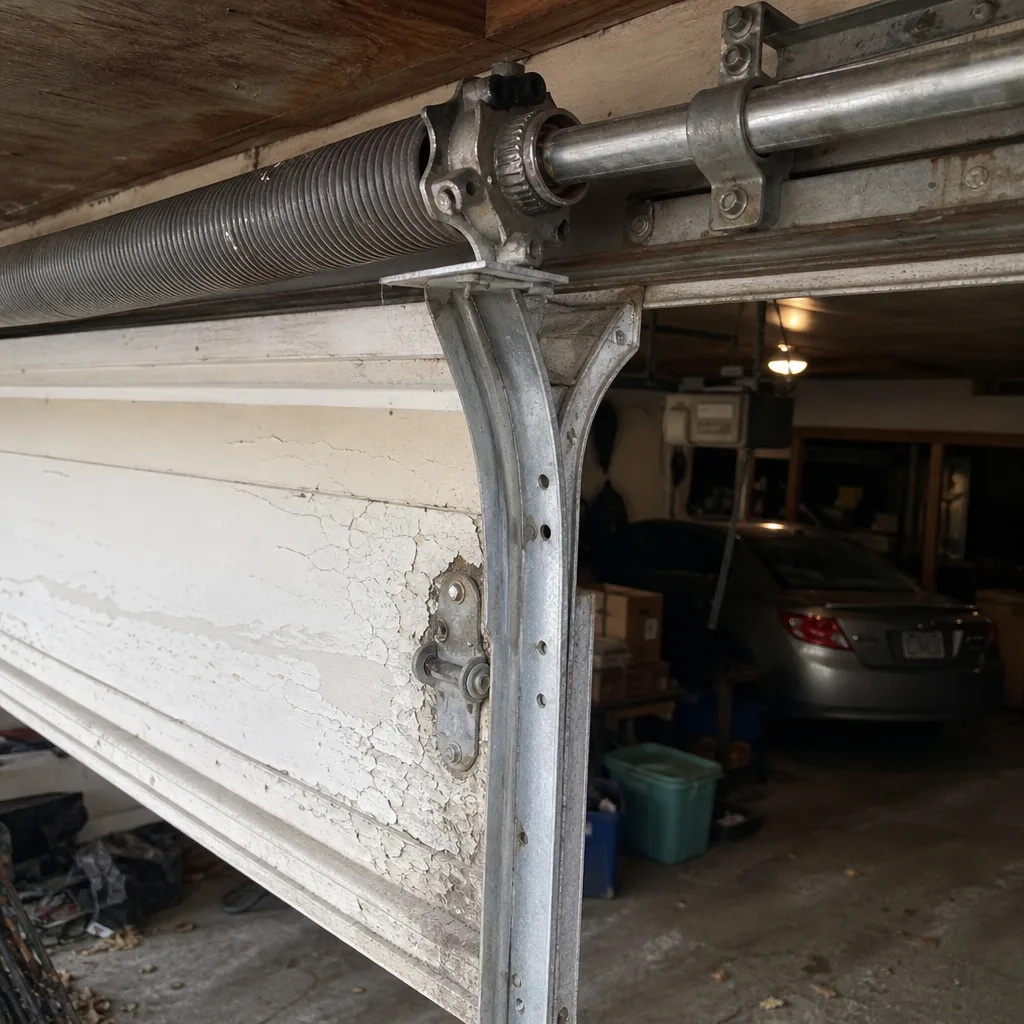 Before
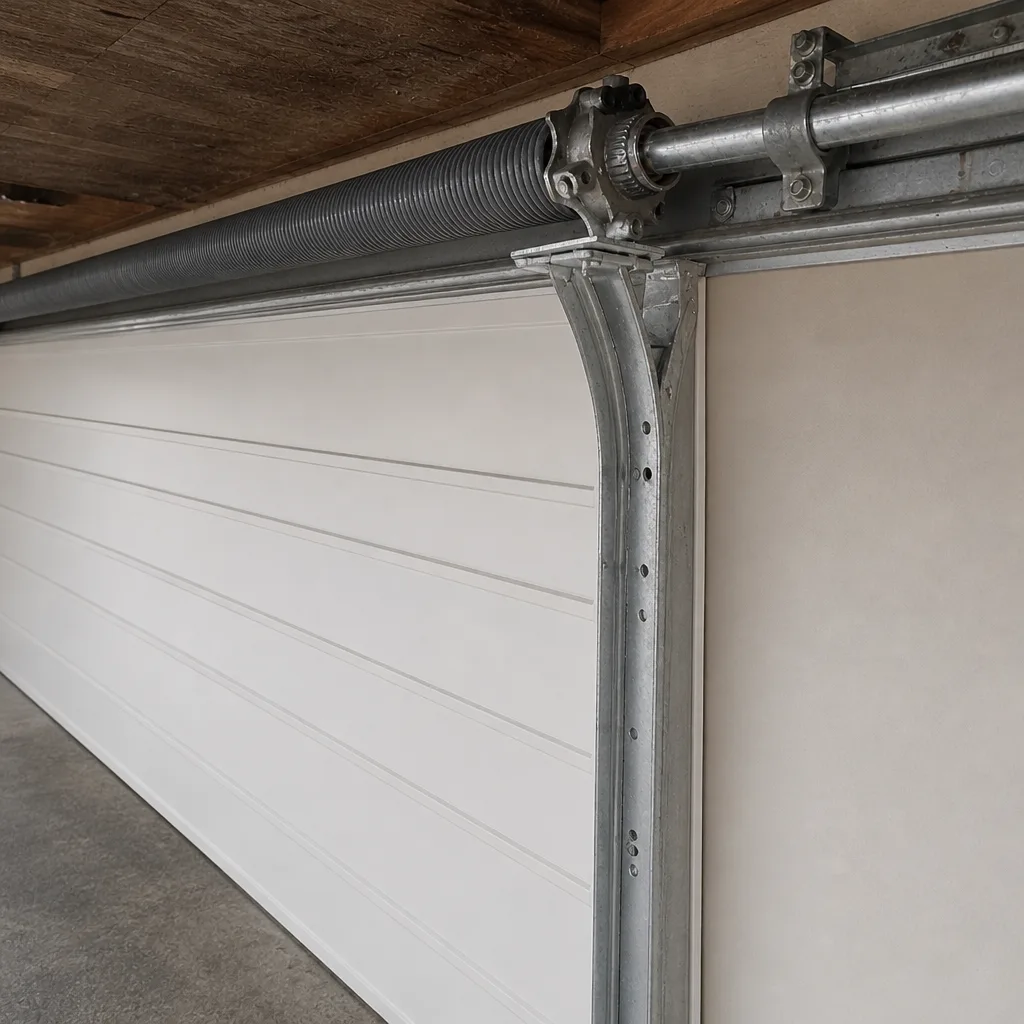 After
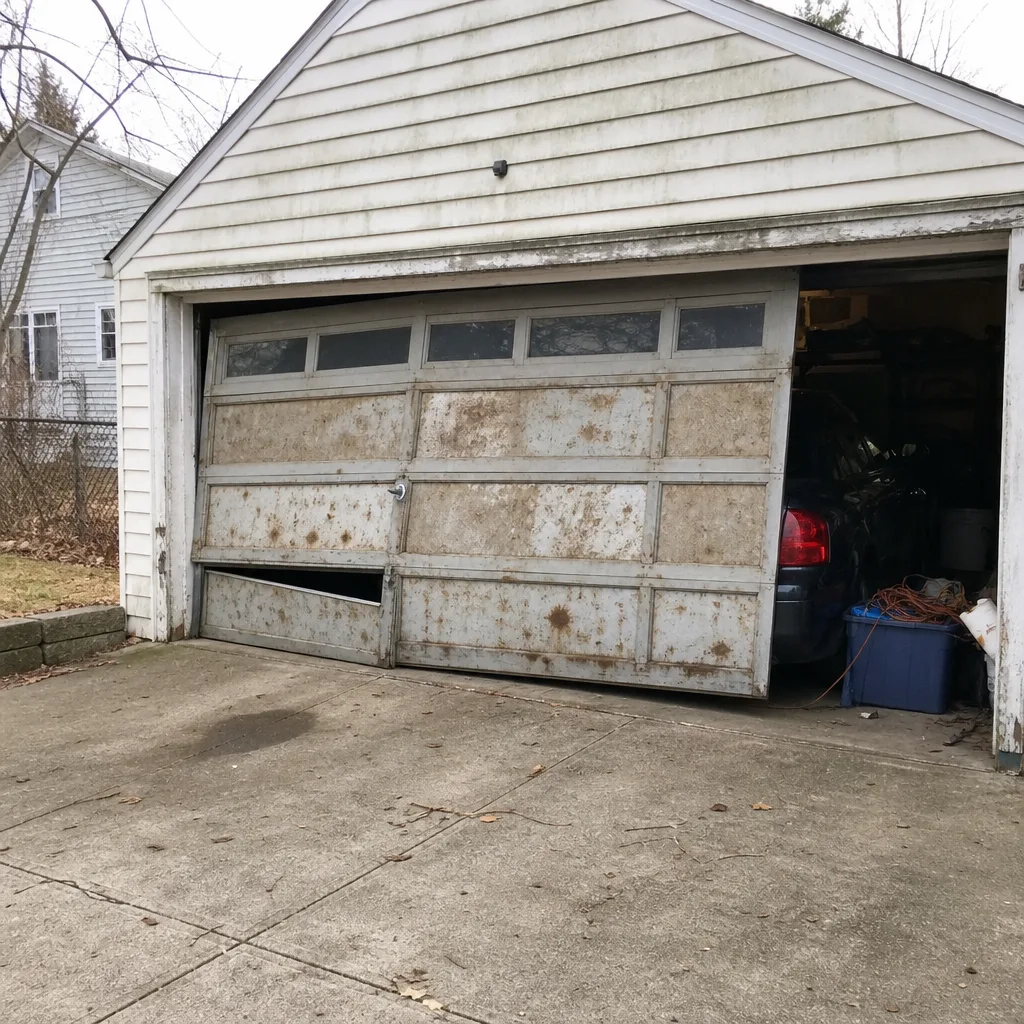 Before
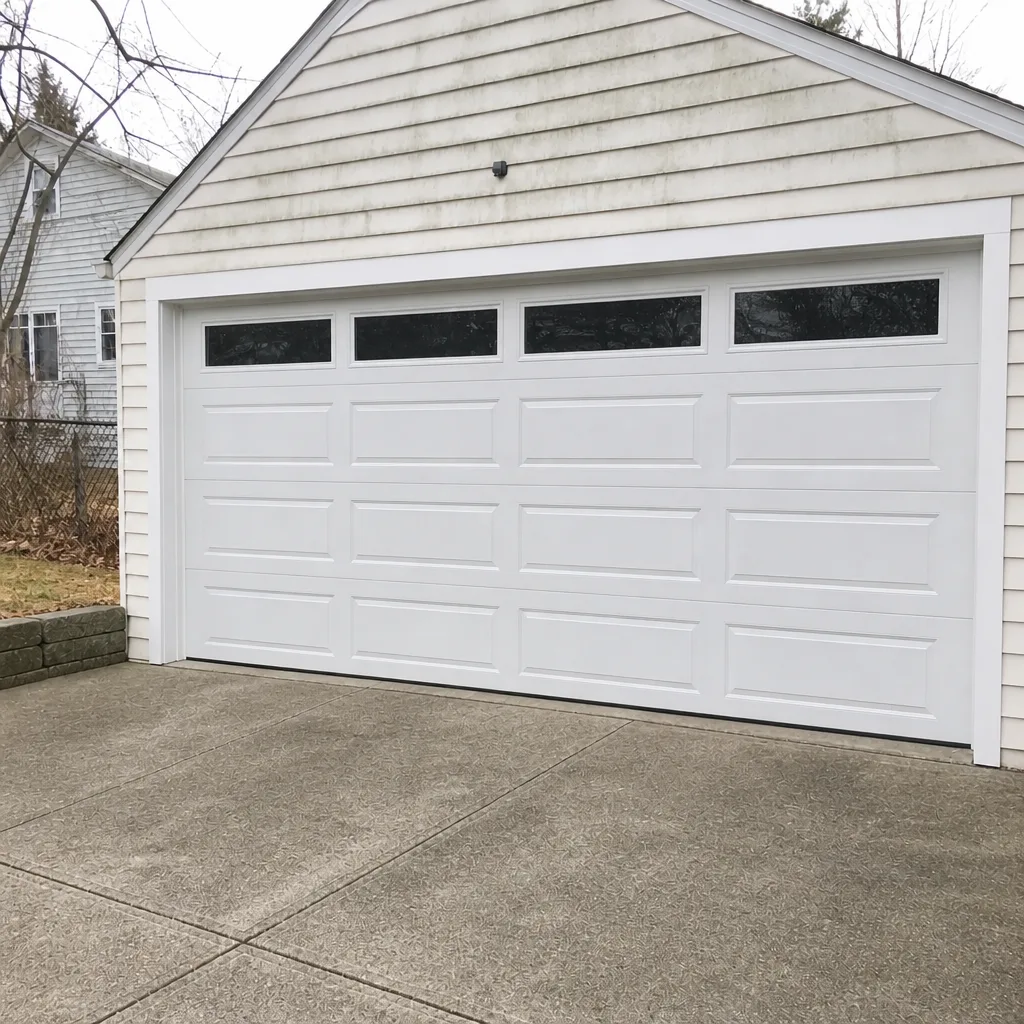 After
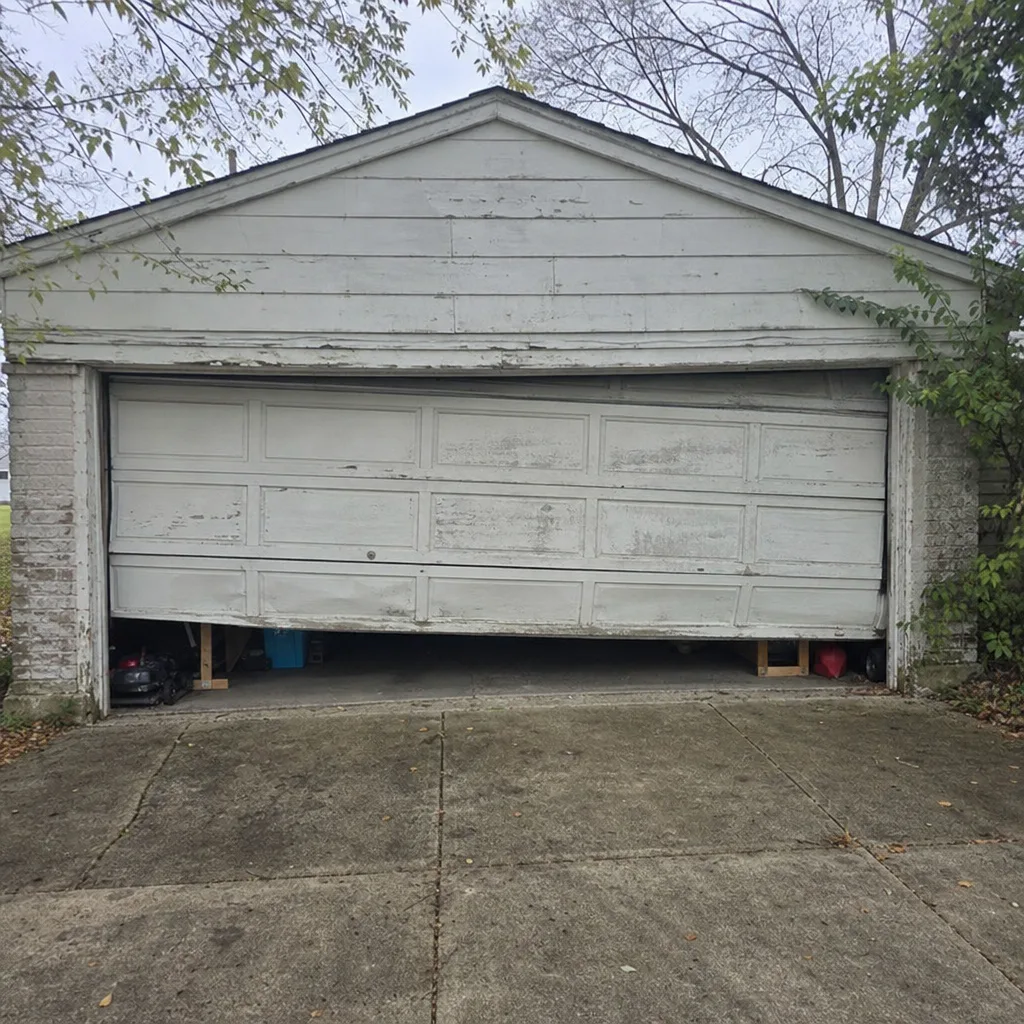 Before
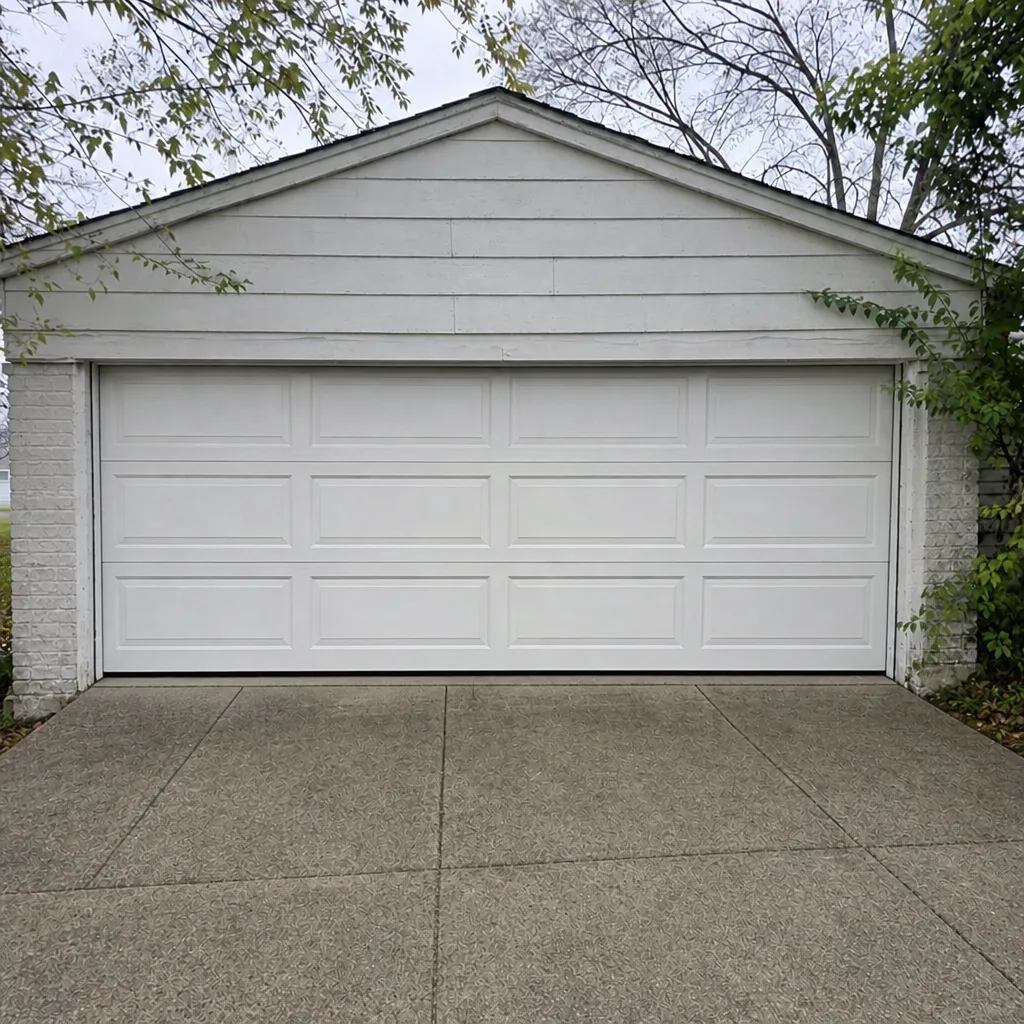 After
When to Call a Professional
Call a garage door technician when a spring has snapped (don’t try to move the door), when the door comes off its track or hangs crooked, when the opener reverses for no reason, when the door won’t stay down, or when a loud bang from the garage signals a broken torsion spring. Each of these is either dangerous or a sign of a system failure that will get worse. Spring and cable work in particular should never be handled by a homeowner, because the stored tension in these parts can release suddenly and cause serious injury. If your door has stopped moving entirely and your home security or access is compromised, emergency service is available. Hyde Park Garage Door Repair offers free estimates in Hyde Park. Call (866) 825-6356 and we’ll give you a straight diagnosis and a written price before any work starts.
Frequently Asked Questions
Most repairs in Hyde Park land between $150 and $400, with spring replacement running $180 – $340 per spring and opener repairs $150 – $350. A matched pair of springs is usually replaced together, so a pair costs roughly twice a single spring. The written estimate sets the final price. Call (866) 825-6356 for an exact quote; estimates are free.
Same-day service is available for repair and emergency situations, and fast dispatch runs from 7am to 7pm. If a spring has failed or the door won’t budge, call and we’ll book you in as quickly as we can. Installation appointments are measured and scheduled, not same-day. Call (866) 825-6356 to check availability.
No, the written estimate we give you is the price. If a job turns out to need more than the estimate assumed, we tell you what’s involved and get your agreement before any work starts. Nobody gets an invoice bigger than the quote. Call (866) 825-6356 for a free estimate.
In almost every case, yes. We work on LiftMaster, Chamberlain, Genie, Clopay, Amarr, Wayne Dalton, Craftsman and Raynor equipment. That covers the majority of systems found in Hyde Park homes. If you’re unsure what’s in your garage, we can identify it on the visit. Call (866) 825-6356 to confirm your brand.
Yes, but it has to be measured properly first. Homes of that era often have rough openings, header clearances and spring setups that don’t match modern stock sizes, so a new door may need to be built to measure. A free measure and a written price is the only way to know. Call (866) 825-6356 and we’ll walk you through it.
The local professionals we connect you with are licensed and insured as their state and local rules require. If you want details confirmed before booking, ask when you call. Call (866) 825-6356 for a free estimate.
The Bottom Line
Garage door work in Hyde Park starts with the structure, not the style. That’s the thread running through every section of this guide: measure the rough opening before you buy, treat attached garages and detached carriage houses as separate projects, pick a material that holds up against the freeze-thaw and humidity cycle, budget from the real cost spectrum, and make sure the opener matches the door it drives. The right fix, delivered by a technician who knows the brand already in your garage, will always cost less over time than a fast guess. When you’re ready to plan the job, we’re here to help. Hyde Park Garage Door Repair is the multi-brand specialist for repairs, opener service, spring repair and full door installation across Hyde Park. Call (866) 825-6356 for a free estimate; the price is quoted and agreed before any work starts.
Written by the team at Hyde Park Garage Door Repair.