Last updated November 20, 2026
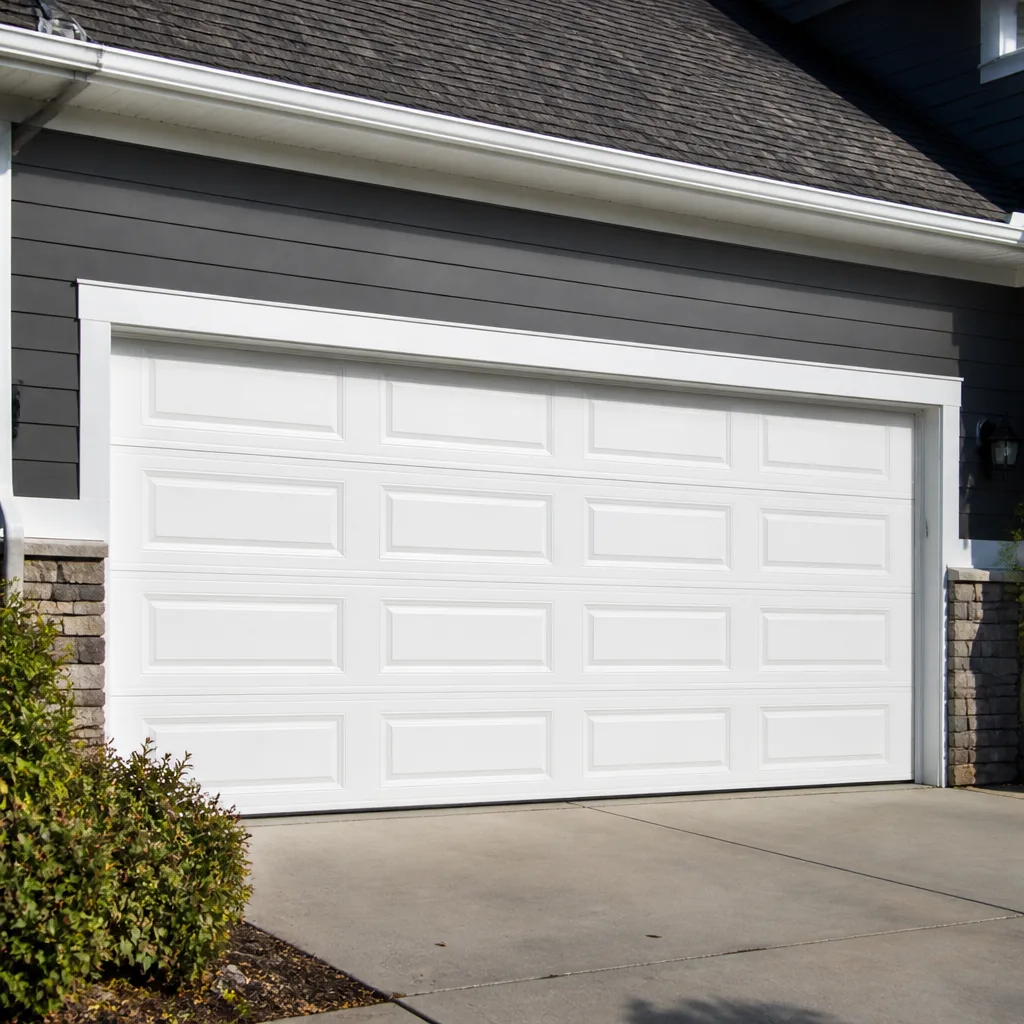 Raised-panel steel
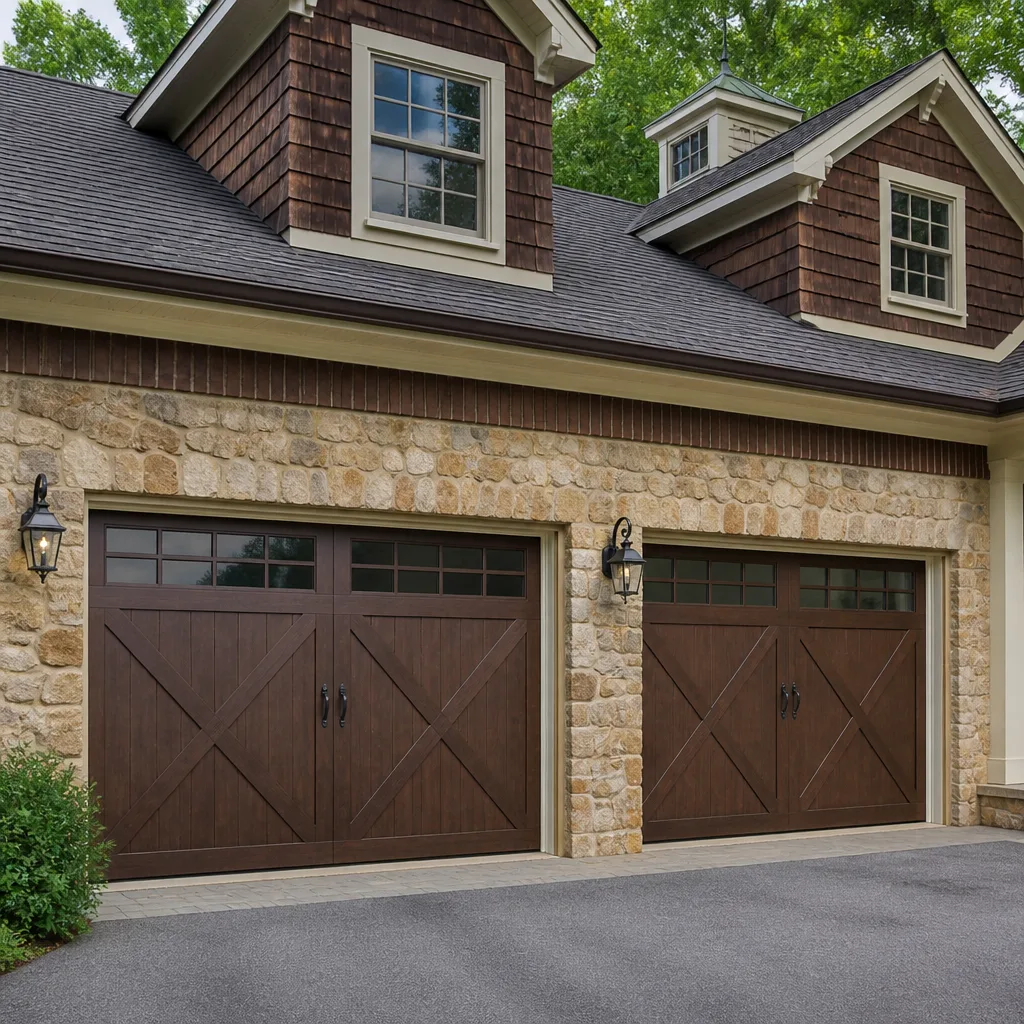 Carriage house
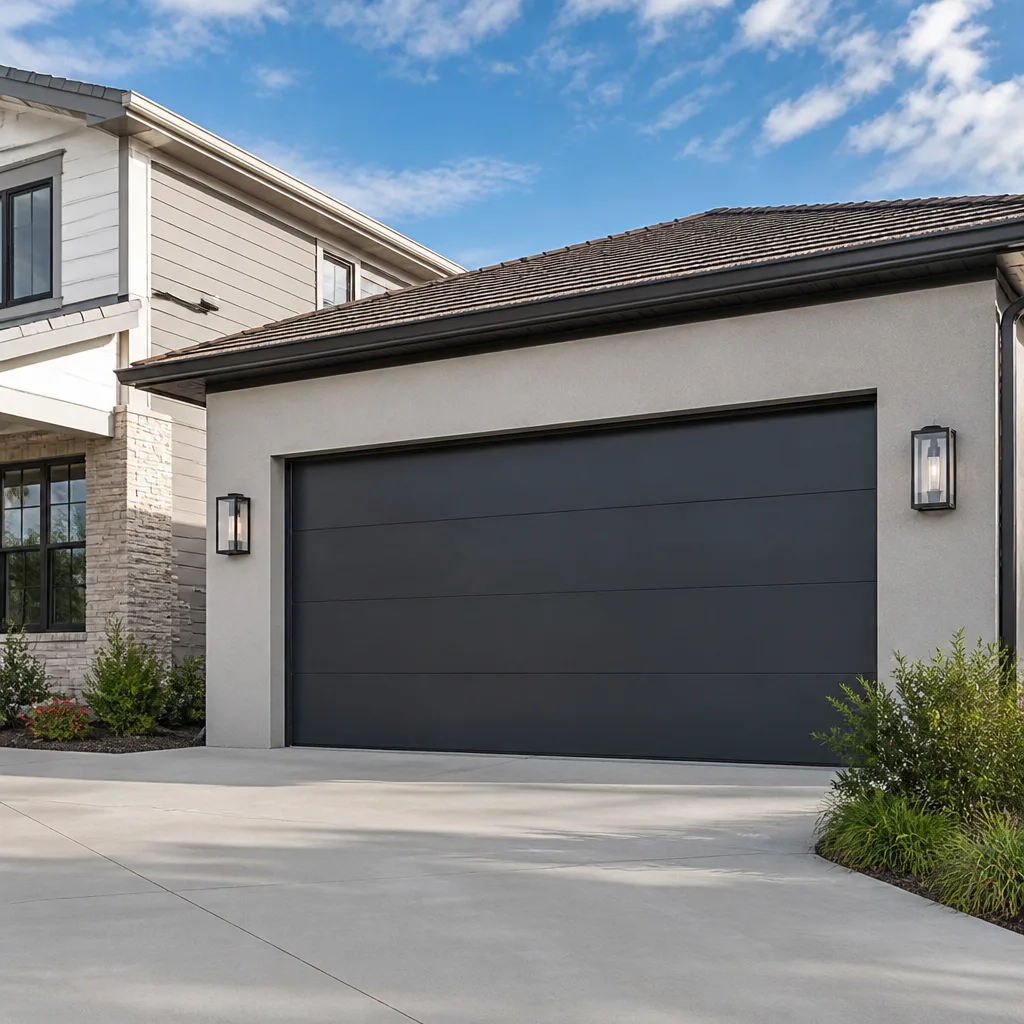 Modern flush
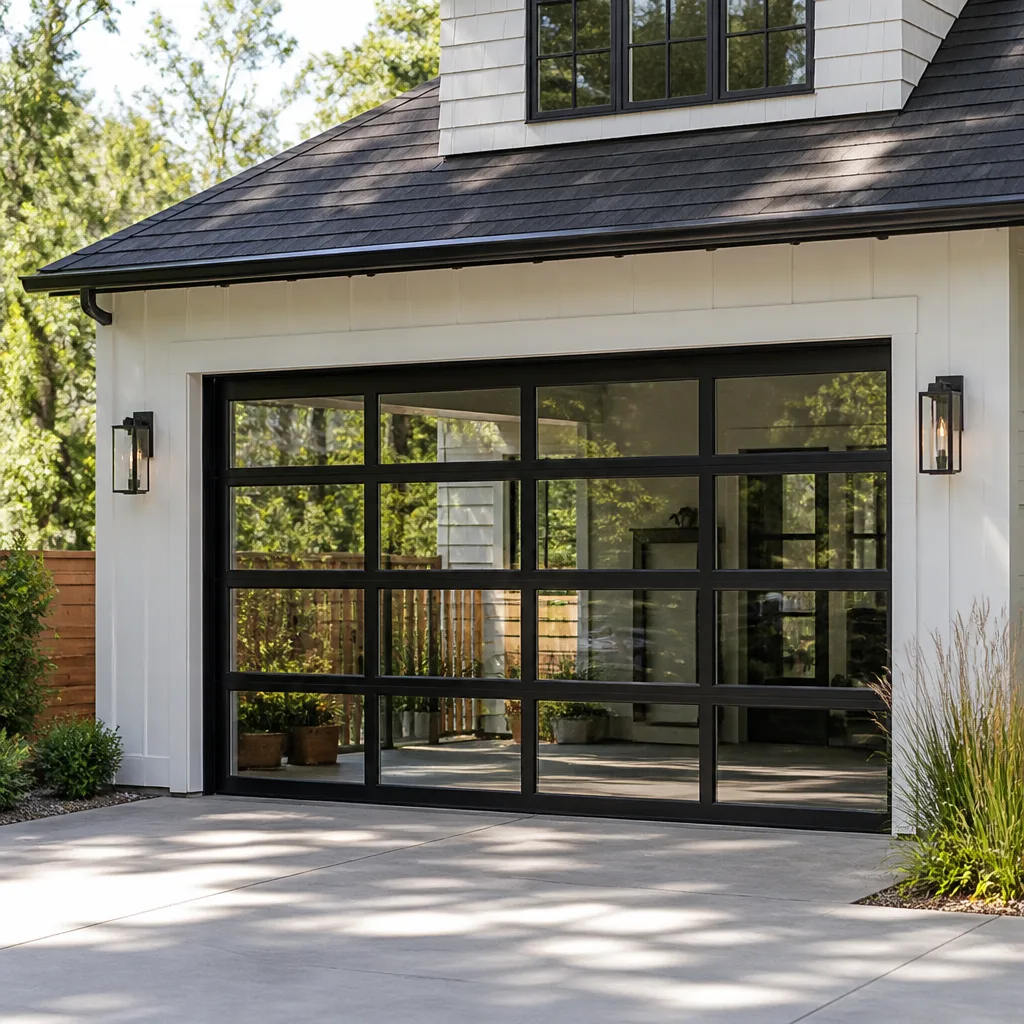 Full-view glass
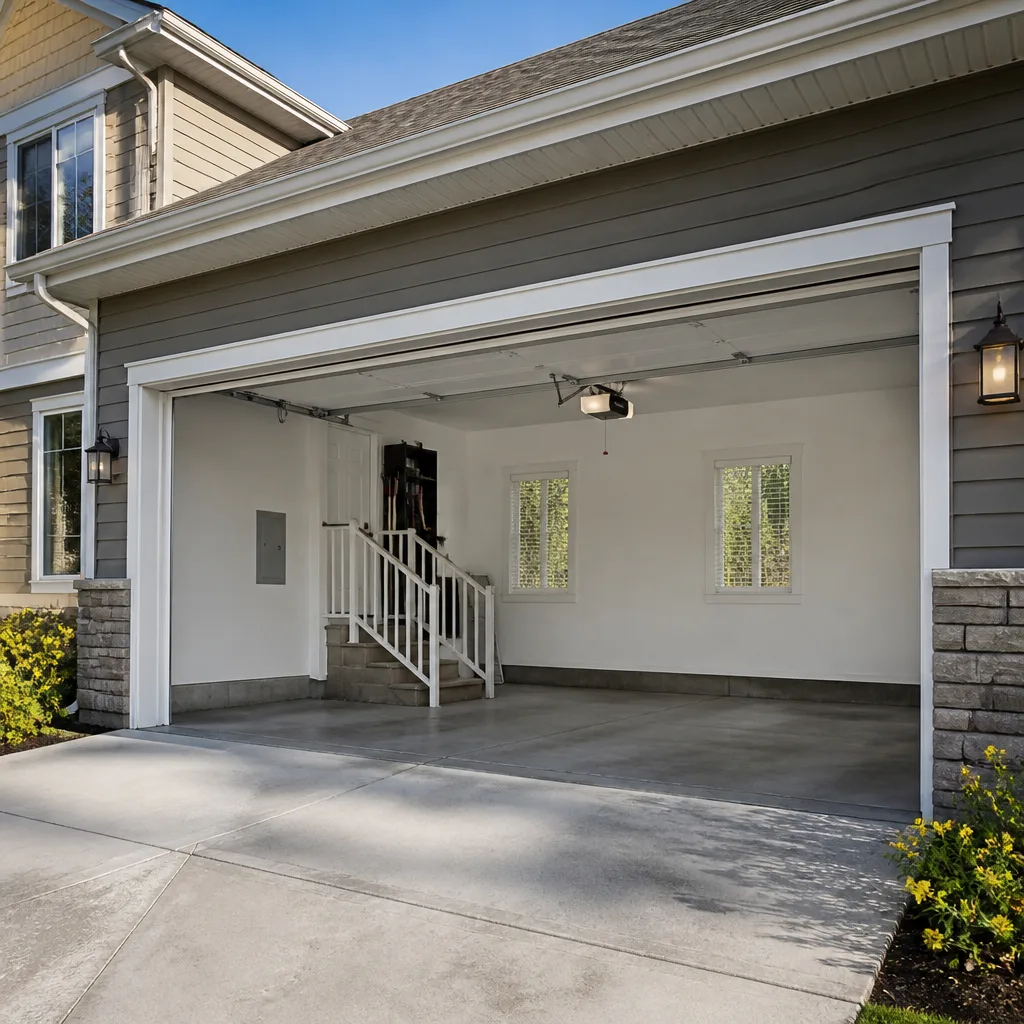 LiftMaster openers
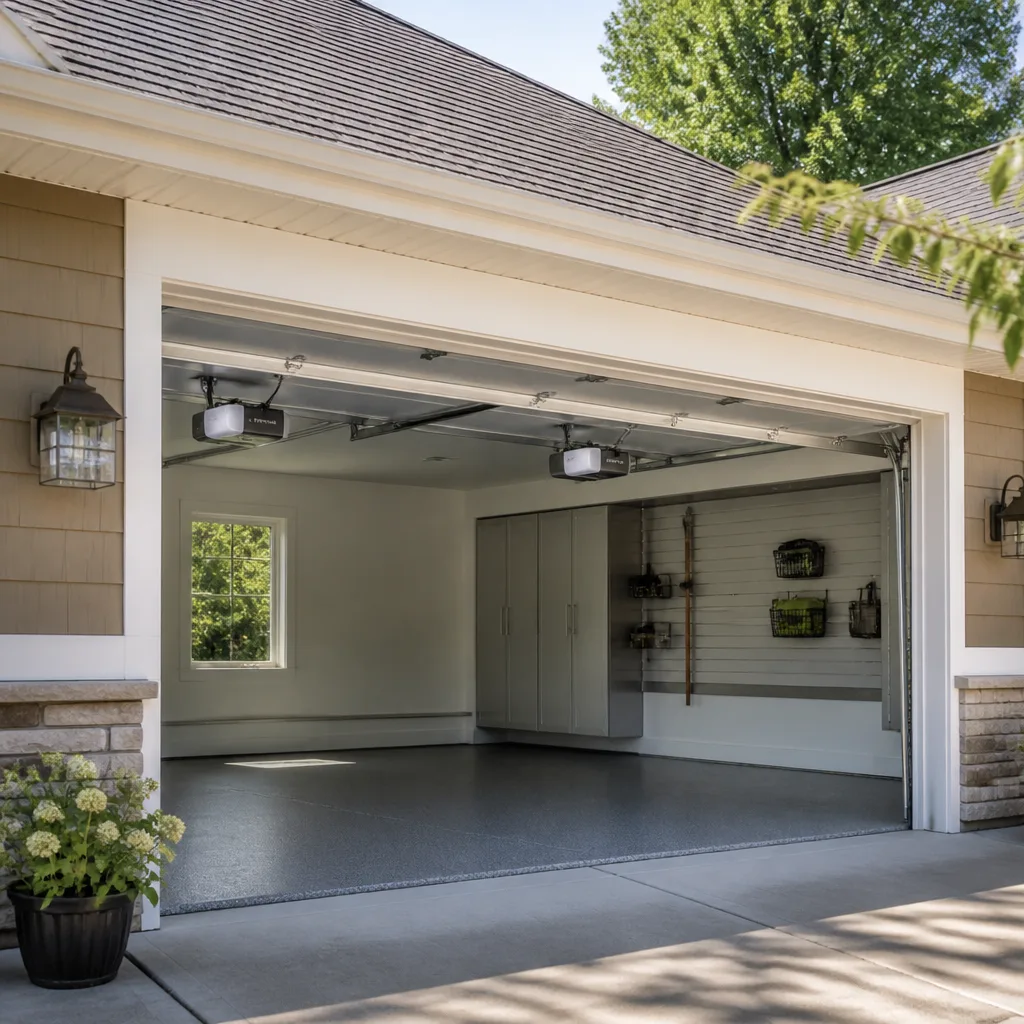 Chamberlain openers
Full 25-point door and opener safety check with every visit - springs, cables, rollers, tracks, and your LiftMaster or Chamberlain opener included
You get a price before we start. It does not change when the pro arrives.
Get your free estimateHow to Hire a Garage Door Contractor in Hyde Park: A Step-by-Step Guide
A handyman quoting $80 to fix your garage door isn’t necessarily a scam. But if he can’t name the specific spring size, the cable drum diameter, or the opener model he’s working with, he’s guessing at a job where guessing causes injuries. That’s the real hiring mistake we see in Hyde Park: not skipping a license check, but letting a generalist bid on brand-specific work and then paying twice when the fix fails. A garage door is a weighted, spring-loaded system with hundreds of pounds of stored tension behind it. Every part is sized to every other part. This guide gives you a concrete vetting process for hiring a garage door contractor in Hyde Park, from the first phone call to reading the final estimate line by line.
Quick Answer
To hire a garage door contractor in Hyde Park, verify Ohio licensing and insurance, ask three technical questions that only a specialist can answer, and insist on an itemized written estimate before work begins. A qualified contractor names the specific springs, cables, and opener models involved, explains why each part is being replaced, and quotes a firm price you agree to in writing before anything is touched.
Styles & brands we work with
- Raised-panel steel
- Carriage house
- Modern flush
- Full-view glass
- LiftMaster openers
- Chamberlain openers
Table of Contents
- Why Brand-Specific Experience Matters More Than a Low Bid
- The Three Phone Questions That Separate Specialists From Generalists
- What Ohio Requires vs. What You Should Require
- How to Read a Garage Door Estimate
- A Step-by-Step Vetting Process
- Red Flags Specific to Garage Door Work
- Spring Work: The Job You Should Never Let a Generalist Touch
- Why the Brands in Your Garage Should Guide Your Choice
Why Brand-Specific Experience Matters More Than a Low Bid
A garage door contractor who works on LiftMaster openers daily operates differently than one who works on “whatever the customer has.” That difference shows up in the parts they carry in their head, the failure patterns they recognize instantly, and the questions they ask before they ever arrive. A specialist knows that a Genie screw-drive opener has a different torque profile than a Chamberlain belt-drive, and that the fix that works on one will strip the gear on the other. A generalist sees “garage door opener” and reaches for the nearest universal part.
Hyde Park homes run the full range. The neighborhood’s mix of older brick houses and newer builds means driveways hold everything from heavy steel doors on older Raynor hardware to modern insulated Clopay panels paired with smart-connected openers. Each combination has its own service rhythm. A door that’s been sitting through Cincinnati’s humid summers and cold winters develops different wear patterns than one in a drier climate, and the spring cycle count on a door used four times a day adds up fast. A contractor who services the same handful of brands repeatedly learns those patterns. One who doesn’t is learning on your door.
The practical consequence is cost. A generalist’s low bid often omits the part that will fail next. When it does, you pay for the original visit plus the correct repair. That’s what “paying twice” means in real terms. It’s also why we lean on multi-brand fluency as a trust signal: when a contractor works on the brand already in your garage, the diagnosis starts from knowledge rather than guesswork.
The brands that matter most in residential Hyde Park garages are the ones installed by builders and replaced by homeowners over decades: LiftMaster and Chamberlain for openers, Genie and Craftsman for legacy systems, and Clopay, Amarr, Wayne Dalton, and Raynor for doors. A contractor who can speak specifically to those systems, rather than vaguely about “garage doors in general,” is the one worth your time. You can read more about the full scope of Hyde Park Garage Door Repair if you want to see how a multi-brand specialist frames the work.
The Three Phone Questions That Separate Specialists From Generalists
You don’t need to know anything about garage doors to vet a contractor. You need to ask three questions and listen for whether the answer is specific or vague. A specialist answers in seconds. A generalist stalls, generalizes, or asks you to describe the part.
- “What spring size and wire gauge does my door use, and how will you confirm it before ordering?” A specialist explains that spring size is determined by door weight and height, that they’ll measure wire gauge and inside diameter, and that the replacement must match the original specification or the door won’t balance. A generalist says “we’ll bring the right one” or asks you to send a photo.
- “Which opener model do I have, and what’s the most common failure on that model?” A specialist names the symptom patterns for the brand in your garage, whether that’s a Chamberlain logic board issue or a Genie carriage problem. A generalist asks what brand it is and then repeats the question back.
- “Will you give me an itemized written estimate before work starts, and will the price change if you find something else?” A specialist says yes, itemizes parts and labor separately, and explains how they handle surprises like a worn cable drum discovered mid-job. A generalist gives a single number and asks you to decide on the spot.
Ask these on the phone, before anyone comes out. The answers tell you more than any review or referral. If a contractor can’t answer the first two, you’ve saved yourself a service call. If they answer the third with “we’ll see when we get there,” you’ve learned how the invoice will read.
What Ohio Requires vs. What You Should Require
Ohio does not issue a single statewide garage door contractor license. Licensing for home improvement and contractor work in Ohio is handled at the local level, and requirements vary by municipality and county. That means the legal minimum in Hyde Park depends on where the work is happening and what kind of work it is. Before you hire, call the City of Cincinnati’s building department or check with Hamilton County to confirm what permits and registrations apply to your job. Most cities require a permit for structural changes and full door replacements, so ask directly.
The legal minimum is not the standard you should use. Here’s what to require beyond it, regardless of what any license allows:
- Proof of general liability insurance. Ask for a certificate of insurance and verify it’s current. A contractor without liability coverage leaves you exposed if your door, your car, or your home is damaged during the job.
- Workers’ compensation coverage. If someone is injured on your property and the contractor isn’t covered, the claim can land on your homeowner’s policy. Ask for proof.
- A written contract. Ohio’s home solicitation rules give you certain rights around door-to-door contracts, but the practical protection is simpler: never let work start on a handshake. Get the scope, price, and schedule in writing.
- Local registration. Some Cincinnati-area jurisdictions require contractors to register locally. Ask the contractor to name any registration they hold, and verify it with the issuing office.
Licensing and insurance are the floor, not the ceiling. The contractor who clears all four of these and can still answer the three phone questions is the one you want. If a contractor gets defensive when you ask for proof of insurance, that’s an answer in itself. For a fuller picture of what proper repair work should look like, see our guide to garage door repair.
How to Read a Garage Door Estimate
An estimate is a document you read, not a number you accept. The difference between a fair quote and a padded one usually comes down to whether the line items are specific enough to check. A good estimate lists parts by name and specification, separates labor from materials, and states clearly what happens if the scope changes once the door is opened up. A bad one gives you a total and a promise.
Here’s how the line items usually break down, and how to spot the ones that matter:
| Line Item | What a Fair Estimate Shows | What to Watch For |
|---|---|---|
| Springs | Wire gauge, inside diameter, length, and whether priced per spring or as a matched pair | “Spring replacement” with no size, or a pair quoted at a single-spring price |
| Cables | Gauge, length, and whether drums are included | “Cable kit” with no specification |
| Rollers and hinges | Quantity and type (nylon vs. steel) | Lump-sum “tune-up” charges |
| Opener | Model number, drive type, and whether rail and hardware are included | “New opener” with no brand or model |
| Labor | Itemized by task, or a stated flat rate with scope described | Labor bundled into parts to hide markup |
| Disposal and haul-away | Stated separately or included explicitly | Surprise fees added on the invoice |
A suspiciously low quote is usually omitting something specific. Common omissions include the second spring in a matched pair (springs are almost always replaced together, so a pair costs about twice a single spring), the cable drums that should be replaced alongside worn cables, the rail and hardware on a new opener install, and haul-away of the old door. When those items appear later, the total climbs. That’s how a $300 job becomes a $700 one.
Two rules close this section. First, the price is quoted and agreed before any work starts. Second, the written estimate sets the final price; if a contractor’s estimate is a range that can expand on inspection, get the conditions in writing. A contractor who can’t itemize labor is telling you the invoice will be a negotiation.
A Step-by-Step Vetting Process
Vetting a garage door contractor in Hyde Park takes about an hour of work spread across a few calls, and it will save you far more than that in time and money. Follow these steps in order, and stop at any point where the answers don’t hold up.
- Identify the brand in your garage first. Look at the label on the opener and the door. Write down the model numbers. This single step lets you test every contractor against a name you already know.
- Call and ask the three phone questions. Listen for specificity. A specialist answers the spring size, opener model, and estimate questions directly. A generalist hedges.
- Ask which brands they service regularly. You want a contractor who names the brands in your garage without hesitation. If they say “we work on everything,” ask them to name the drive types on a LiftMaster and a Genie. The answer tells you whether “everything” is real.
- Request proof of insurance and any local registration. Verify the certificate with the insurer or the issuing office, not just the contractor’s word.
- Ask for a written, itemized estimate. Read it against the table above. If it’s a single number, ask for the breakdown. If they won’t provide one, walk.
- Confirm the price is fixed before work starts. Ask what happens if they find additional problems. A fair contractor explains the process for approving any change in writing, before the work continues.
- Ask how they’ll dispose of the old parts. Haul-away should be stated in the estimate, not added later.
- Ask about emergency availability if your door is currently stuck. If your door won’t open or close and your home isn’t secure, emergency service matters more than price comparison. Most Hyde Park homeowners in that spot should prioritize who can come out, not who quotes lowest.
That last step is where the vetting process and the emergency process diverge. If you need a contractor today because the door won’t move, call first and vet on the phone. If you’re planning a replacement or a scheduled repair, take the full hour and run every step. For planned replacements, our guide to garage door installation covers how the measuring and ordering process works.
Red Flags Specific to Garage Door Work
Garage door work has its own set of warning signs, distinct from general contractor red flags. These show up in the estimate, the conversation, and the timing of pressure. Watch for:
- Vague parts descriptions. “New spring” or “heavy-duty spring” with no wire gauge, diameter, or length is a red flag. Springs are sized to the door; a vague description means the part may not match.
- Refusal to itemize labor. When labor is hidden inside materials, you can’t tell whether the markup is fair or whether the parts are what they claim to be.
- Pressure to decide before the technician leaves. A contractor who quotes a price that “only applies while we’re here” is selling, not diagnosing. A written estimate is good regardless of when you accept it.
- Quoting a replacement before diagnosing the actual problem. If the opener motor is fine and the spring is broken, a spring replacement is the right fix. A contractor who jumps to a new door or opener without explaining why is upselling.
- No mention of the door’s balance or weight. Spring work requires knowing the door’s weight. A contractor who never asks or measures is guessing.
- Unmarked or unverifiable credentials. If you can’t confirm insurance and local registration, don’t let anyone touch a spring-loaded door on your property.
One more, specific to Hyde Park: a contractor who quotes the same price for a single spring and a matched pair is either quoting one spring without saying so or pricing the pair incorrectly. Springs on most residential doors are replaced in matched pairs, so ask explicitly which you’re getting. If the answer doesn’t match the price, that’s a red flag worth walking away from.
Spring Work: The Job You Should Never Let a Generalist Touch
Garage door springs store enormous energy. A torsion spring under tension can cause serious injury if it’s released incorrectly, and a generalist without the right tools and training is a genuine hazard. We won’t give step-by-step instructions for this work, and you shouldn’t take them from any source. The right move is to hire a trained professional who works on springs regularly and can identify the exact spring size and wire gauge before beginning.
The safety issue shows up in a few specific ways:
- Torsion springs require winding bars and a controlled release procedure. Without the right tools, a spring can unwind suddenly.
- Springs are matched to door weight. The wrong spring puts excess tension on the cables, drums, and door panels, and the failure can happen later, not during the job.
- Extension springs require safety containment. A broken extension spring without a safety cable can fly across the garage.
- Cables and drums are under the same tension. What looks like a spring job often involves cables and drums too, and those need the same care.
What you can do as a homeowner is check for the warning signs: a large gap in the spring, a door that feels heavy when you lift it manually (test it only with the door closed and the opener disengaged, and never put your hands near the springs), or a loud bang from the garage followed by a door that won’t open. Any of those means it’s time to call a professional. Spring repair done right is the standard we hold ourselves to. Our garage door opener repair guide covers the opener side of the same system, since a failing opener often shows the same symptoms as a spring problem.
Why the Brands in Your Garage Should Guide Your Choice
The brand on your door and opener should be one of your first filters when hiring. Not because one brand is better than another, but because familiarity with a specific system changes how the work goes. A contractor who works on Clopay doors regularly knows the panel and section spacing, the hardware patterns, and the common wear points. A contractor who mostly sees Amarr knows a different set. Neither is wrong, but the one who works on your brand will diagnose faster and get the right parts the first time.
In Hyde Park, the brands you’re most likely to find are the ones that have been installed in this region’s homes for decades. On the opener side, that means LiftMaster and Chamberlain, plus Genie and Craftsman in older systems. On the door side, Clopay, Amarr, Wayne Dalton, and Raynor cover the majority of what’s in residential neighborhoods. When you call a contractor, name the brand and model. The response tells you whether you’re talking to someone who works on that system regularly or someone who’ll look it up.
Brand-specific knowledge also affects the diagnosis. An opener that runs but doesn’t move the door could be a logic board, a capacitor, a gear, or a carriage issue, and the failure pattern differs by brand. A contractor who knows those patterns can often identify the problem over the phone. A generalist needs a visit to tell you anything. That difference is worth something when your car is stuck inside. If you’re still narrowing down who to call, you can reach the team at (866) 825-6356 for a free estimate.
See the difference
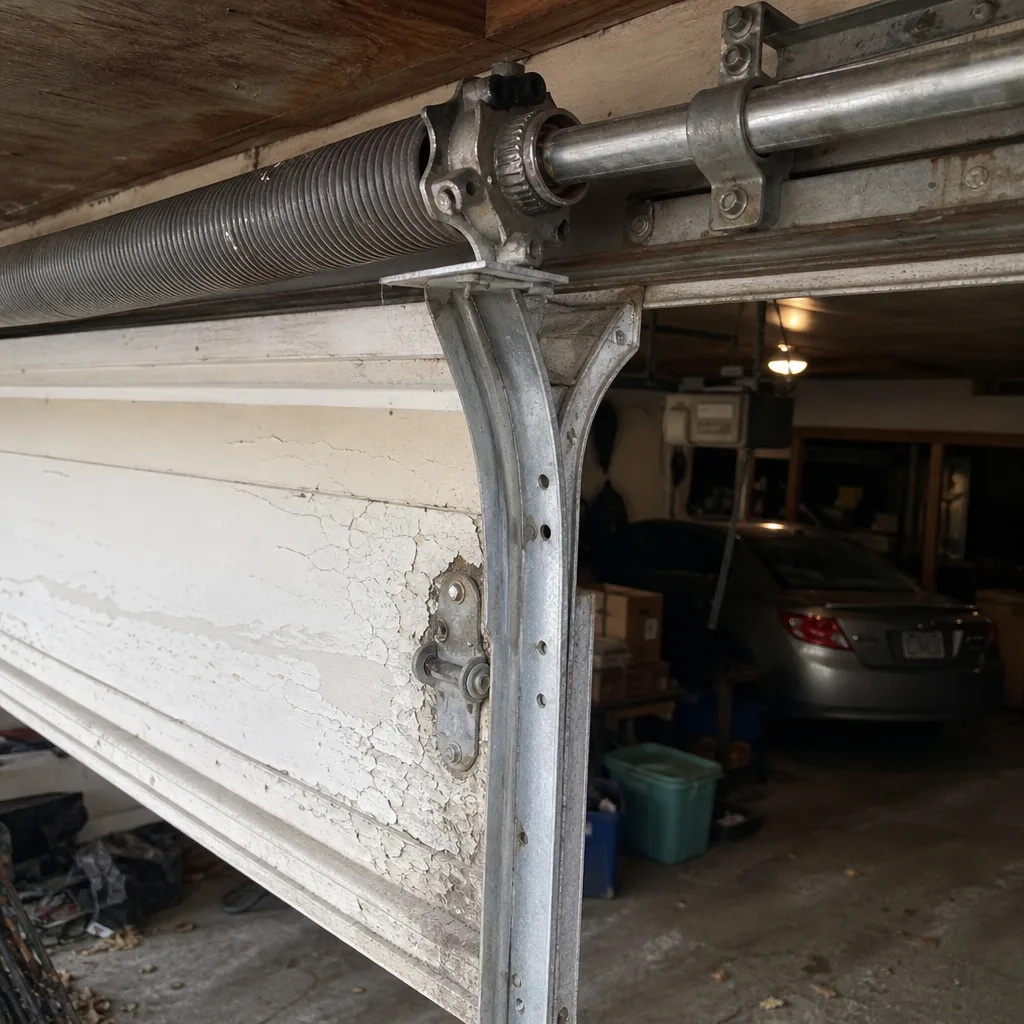 Before
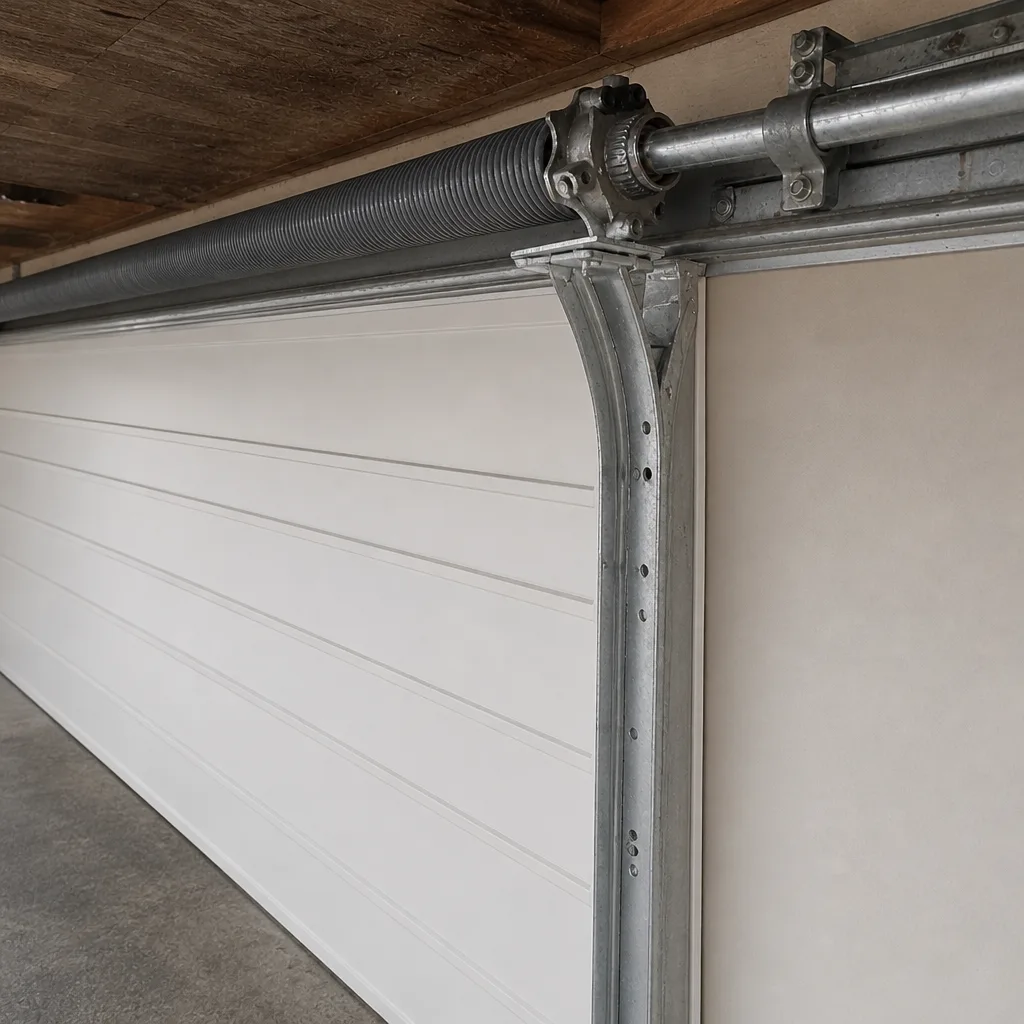 After
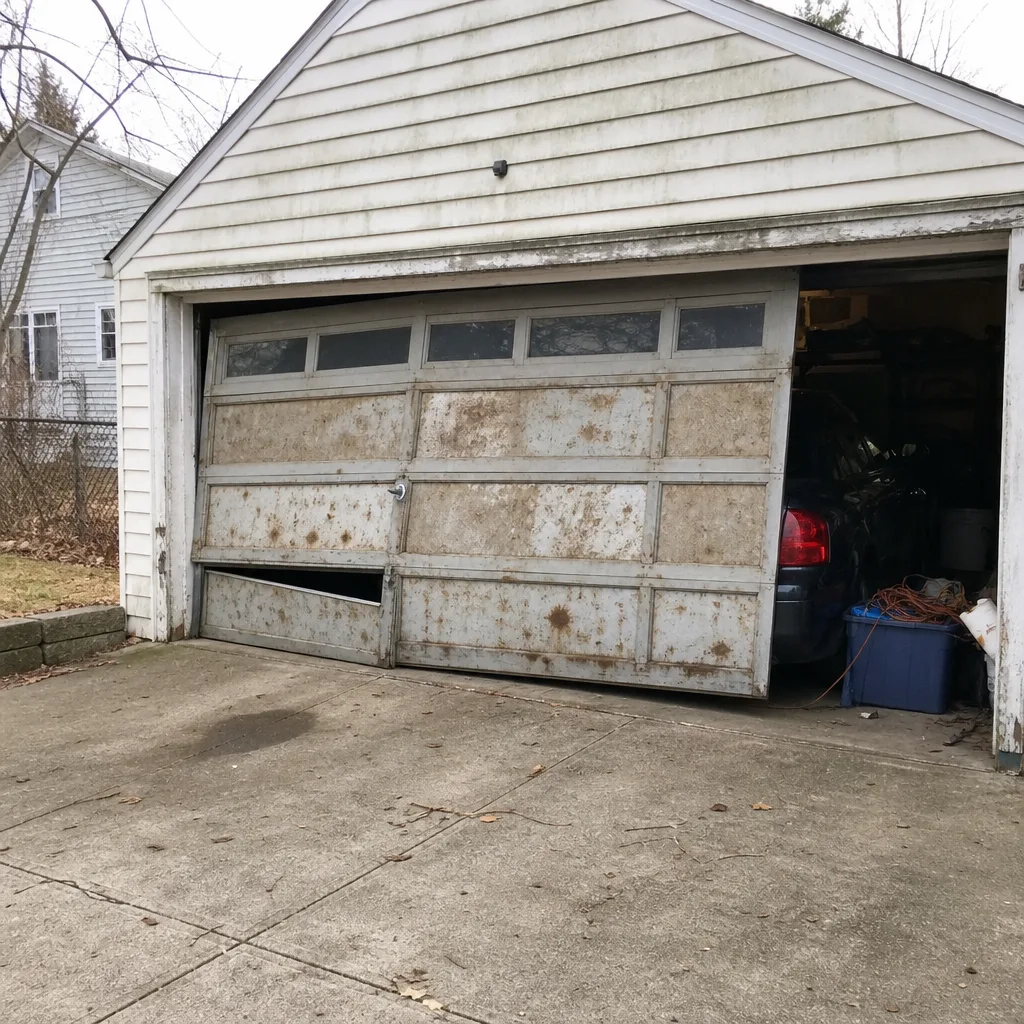 Before
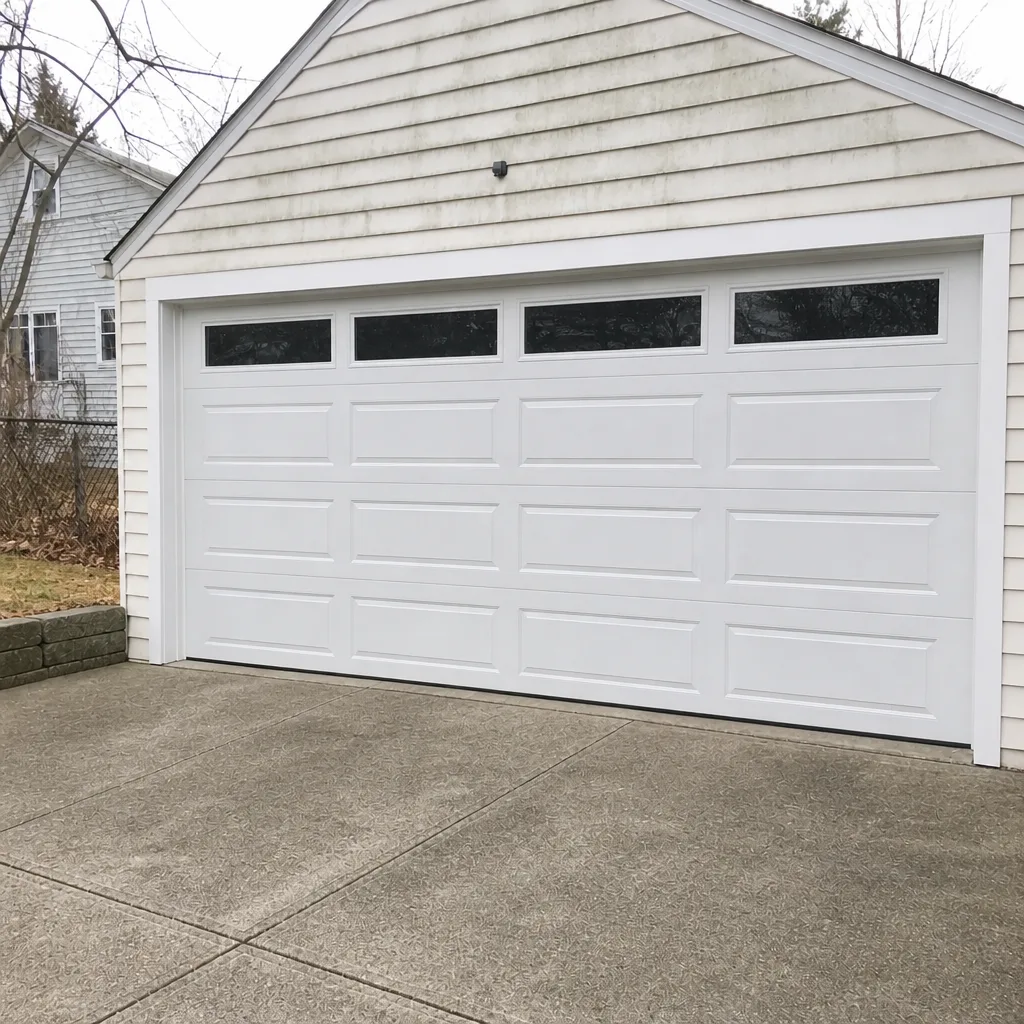 After
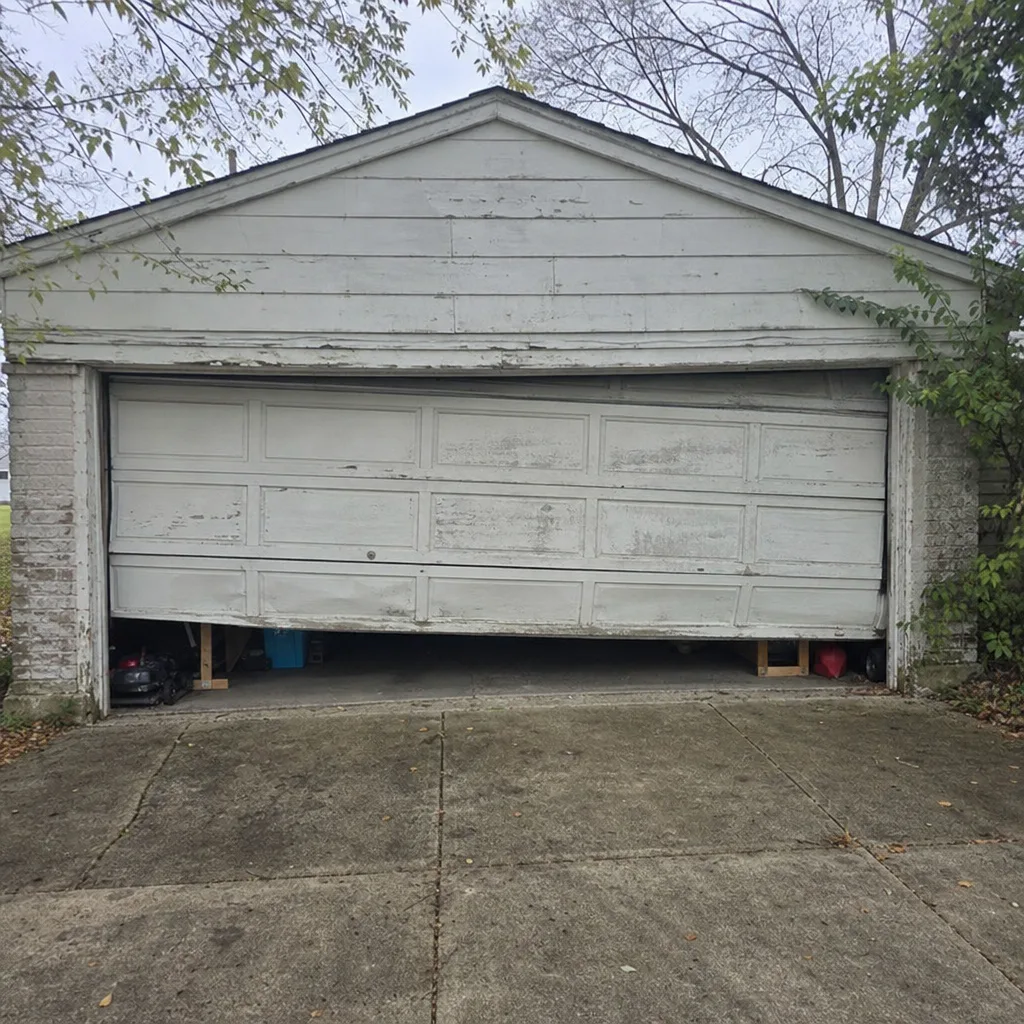 Before
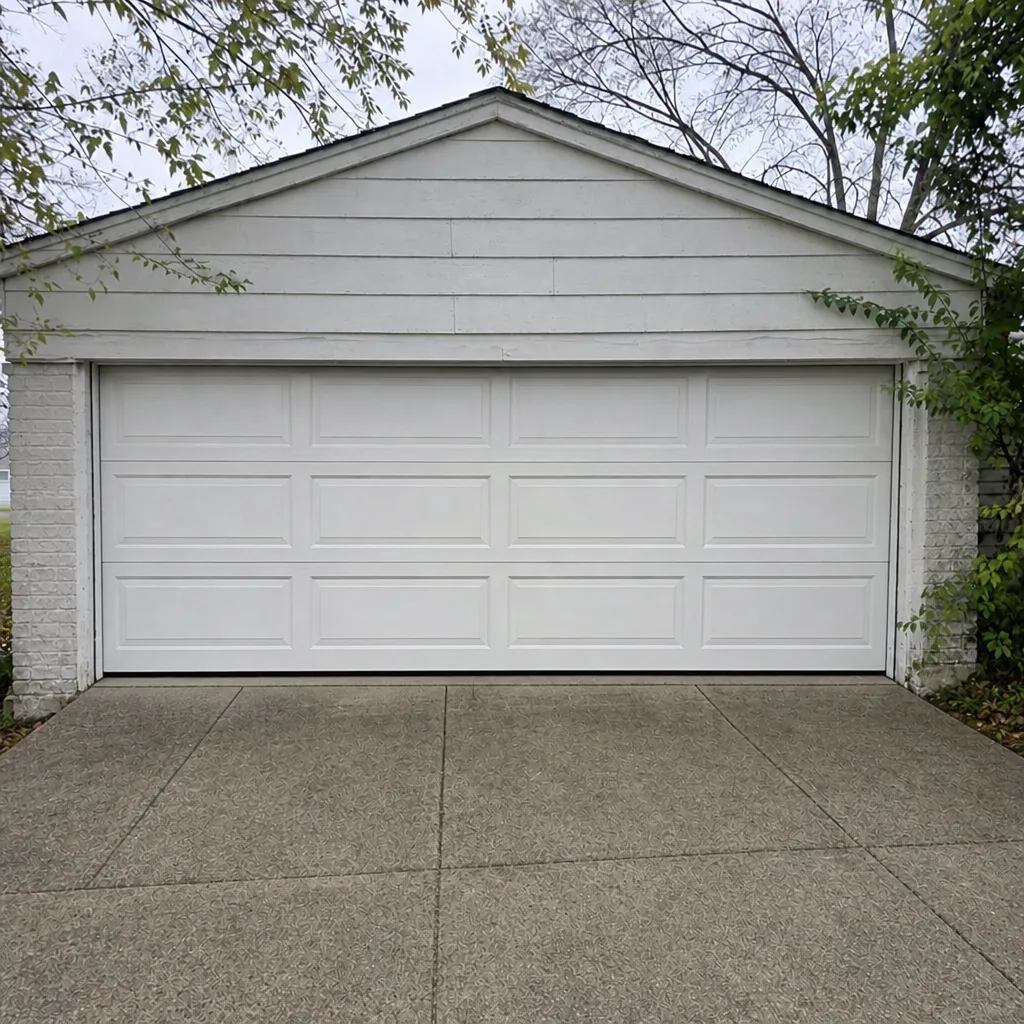 After
Common Mistakes to Avoid
- Letting a generalist bid on brand-specific work. A handyman may be cheaper upfront, but if they don’t know your door’s spring size or your opener’s model, they’re guessing. The repeat visit is where the savings disappear.
- Accepting a single-number quote with no breakdown. Without an itemized estimate, you can’t tell whether the price is fair or whether something’s missing. Always ask for the breakdown, even on emergency calls.
- Assuming the lowest bid is the best deal. Low bids usually omit parts that will fail next, including the second spring in a pair. Compare scope, not just totals.
- Skipping the insurance check. It takes five minutes to verify a certificate of insurance. Skipping it leaves you exposed if something goes wrong in your garage.
- Confusing a heavy door with a spring problem. A door that feels heavy may have a broken spring, worn cables, or an opener issue. Let a specialist diagnose it rather than assuming the fix.
- Choosing a contractor who can’t name the brands they work on. “We work on everything” is not an answer. Ask them to name the drive types on the opener in your garage.
- Not asking what happens if the scope changes. A fair contractor explains in writing how they’ll handle a worn cable found mid-repair, and gets your approval before continuing.
When to Call a Professional
Some garage door problems are worth watching; others need a call today. Call a professional immediately if you hear a loud bang from the garage and the door won’t open, if the door is off its tracks or hanging unevenly, if a cable is visibly frayed or snapped, or if the door won’t close and your home isn’t secure. A door that reverses unexpectedly or stops halfway also needs a professional look, since those symptoms can point to opener or sensor failures that affect safety. For noisy openers, slow response on the remote, or a door that seems heavier than it used to, a scheduled repair is fine, and it’s usually cheaper than waiting for a failure.
Hyde Park Garage Door Repair offers free estimates in Hyde Park. Call (866) 825-6356 and we’ll walk through what’s happening, quote the price upfront, and confirm it in writing before any work starts. Our technicians have up to 10 years of experience across LiftMaster, Chamberlain, Genie, Clopay, Amarr, Wayne Dalton, Craftsman, and Raynor systems, and we can work with your insurer if the job requires it.
Frequently Asked Questions
Spring repair in Hyde Park is quoted per spring, and because springs are usually replaced in matched pairs, the pair costs about twice a single spring. The written estimate sets the final price, and you’ll get an itemized breakdown before work starts. Call (866) 825-6356 for an exact quote; estimates are free.
Emergency garage door service is a core part of what we do, and a door that won’t close leaves your home unsecured, so call us first at (866) 825-6356. We’ll confirm availability and give you a price upfront before any work begins. If the door fails on a Saturday, we’re closed, but you can call and we’ll book you for Sunday.
No. The price is quoted and agreed before any work starts, and the written estimate sets the final price. If we discover something during the job that changes the scope, such as a worn cable drum, we explain it and get your approval in writing before continuing. That’s the standard we hold ourselves to on every Hyde Park job.
The local professional we connect you with is licensed and insured as their state requires, and we can walk you through what to verify before the visit. Ohio handles contractor licensing at the local level, so ask for proof of general liability coverage and any Cincinnati or Hamilton County registration that applies to your job.
It helps, and it’s the fastest way to test whether you’re talking to a specialist. Check the label on the opener and the door, write down the model numbers, and name them when you call. A contractor who works on that system regularly will answer with specific questions; one who doesn’t will ask you to describe it.
A specialist works on the brands already installed in Hyde Park homes and knows the specific parts, sizes, and failure patterns involved. A generalist who quotes a low price without naming the spring size, cable drum diameter, or opener model is guessing on a spring-loaded system where guessing causes injuries and repeat repairs. The right fix, not the easy one, is the standard worth paying for.
The Bottom Line
Hiring a garage door contractor in Hyde Park comes down to a few concrete steps: know your brand, ask the three phone questions, verify insurance and local registration, and insist on an itemized written estimate with the price agreed before work starts. The lowest bid usually wins by omitting something, whether it’s the second spring in a pair, the cable drums, or the rail on a new opener. A contractor who works on the brand in your garage, from LiftMaster and Chamberlain openers to Clopay and Amarr doors, will diagnose faster and fix it right the first time. When the door won’t move, a specialist is the call worth making.
If you’re ready to get a straight answer on your door, call (866) 825-6356 for a free estimate. We’ll quote the price upfront, put it in writing, and confirm it before we touch a thing.
Written by the team at Hyde Park Garage Door Repair.