Last updated November 20, 2026
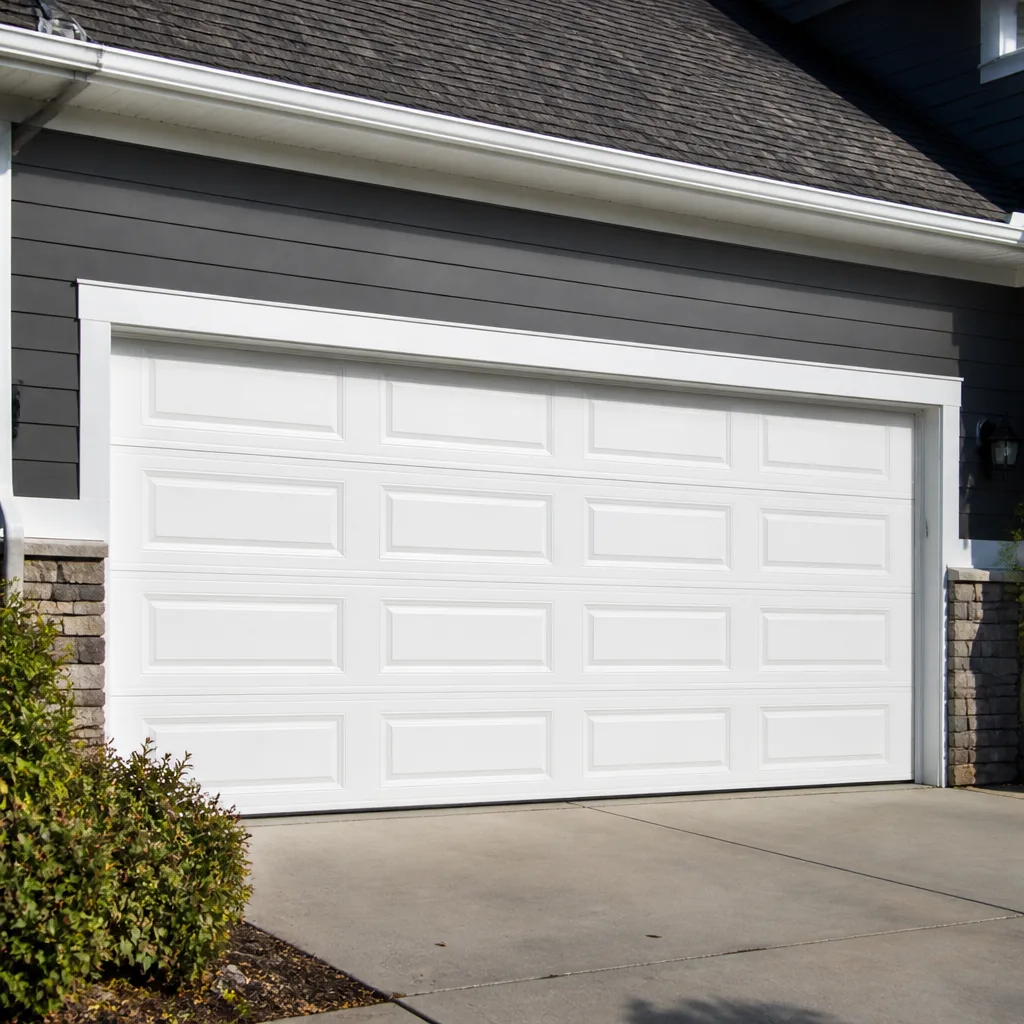 Raised-panel steel
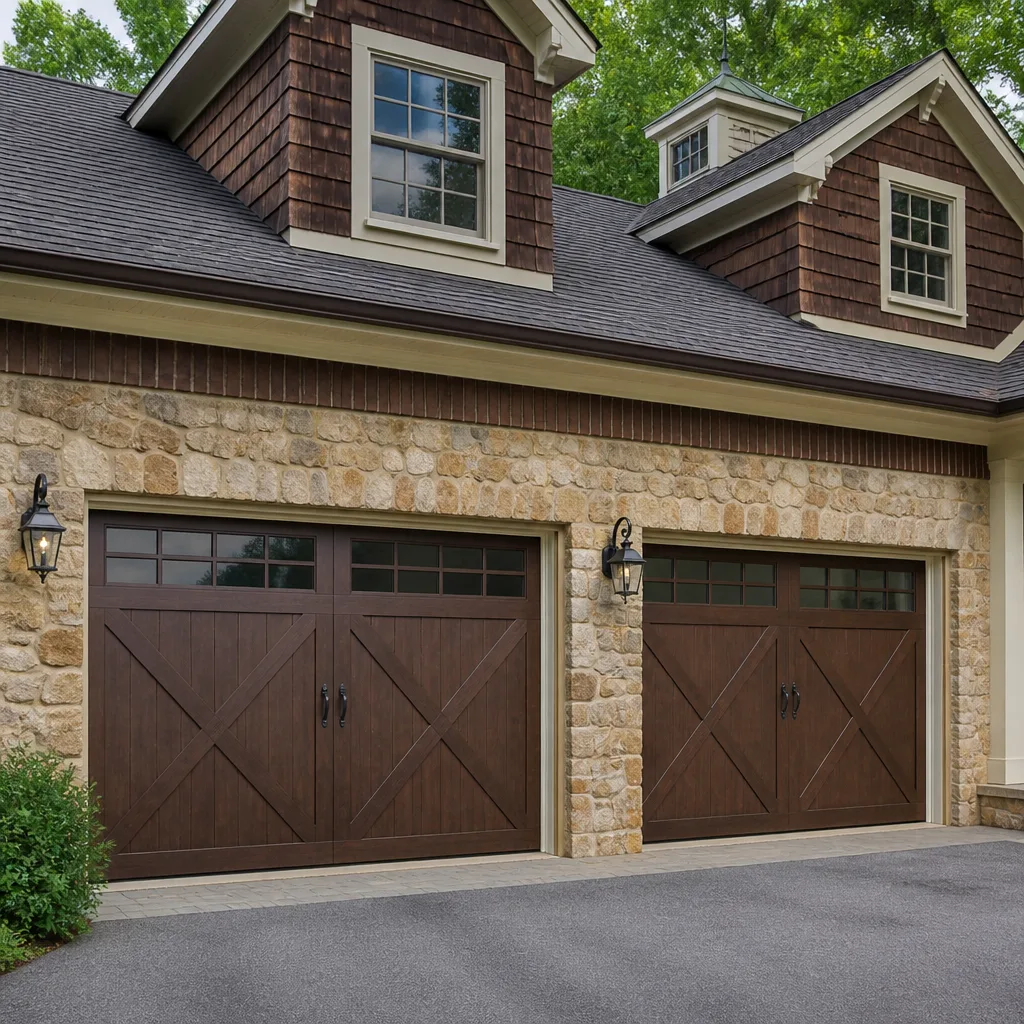 Carriage house
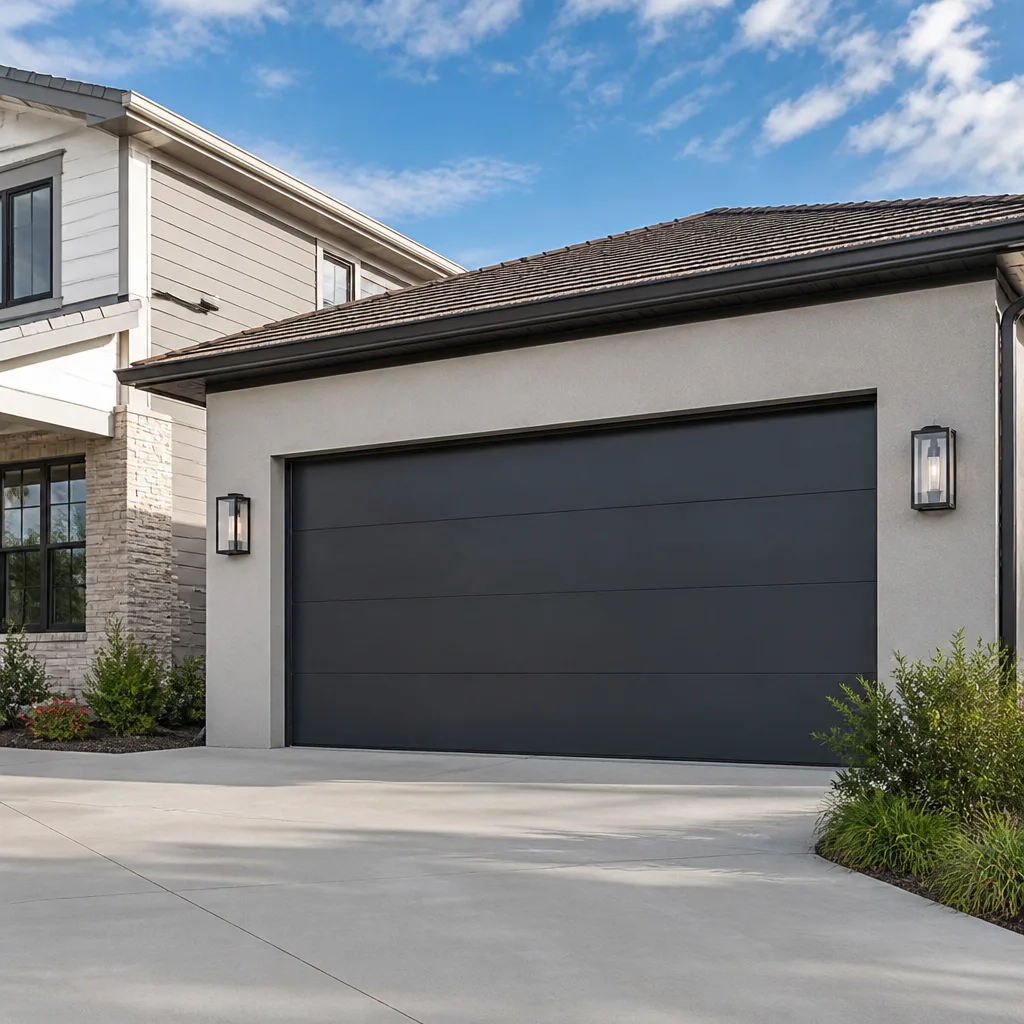 Modern flush
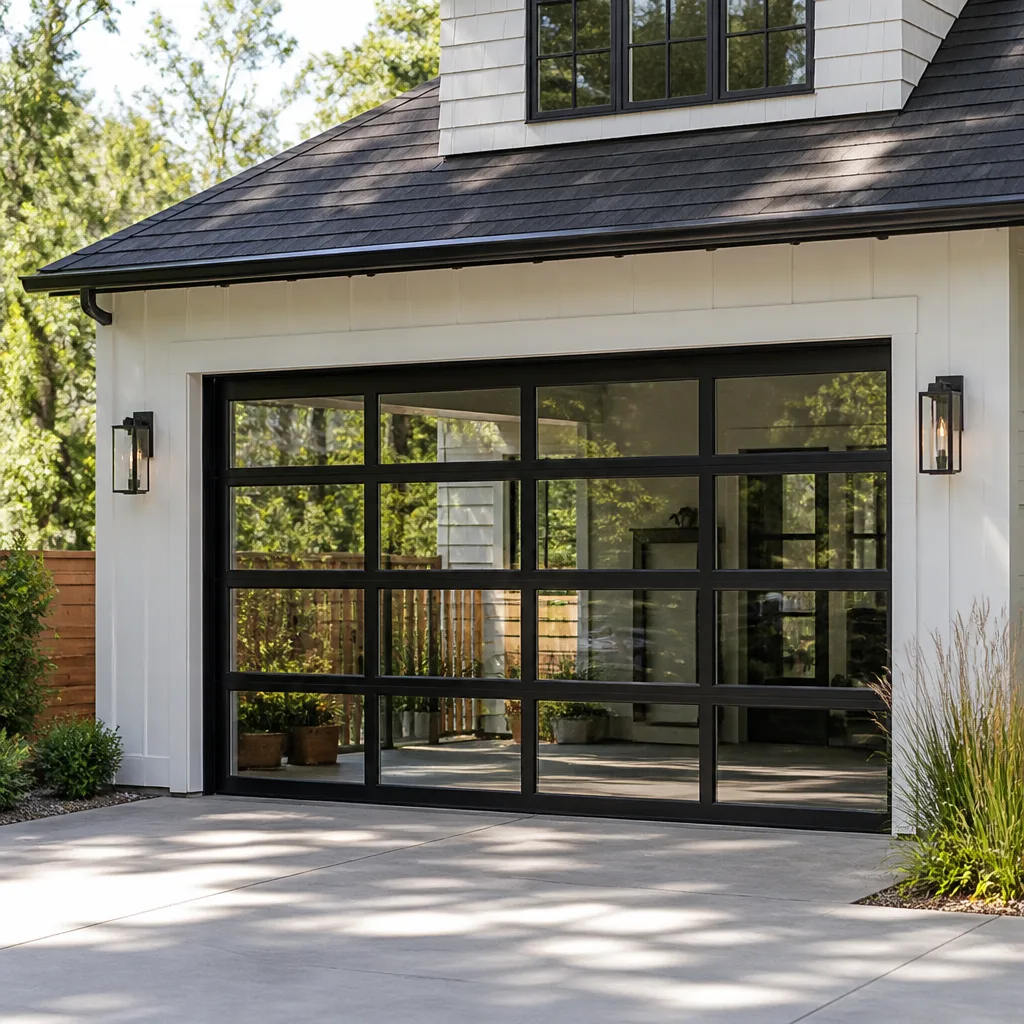 Full-view glass
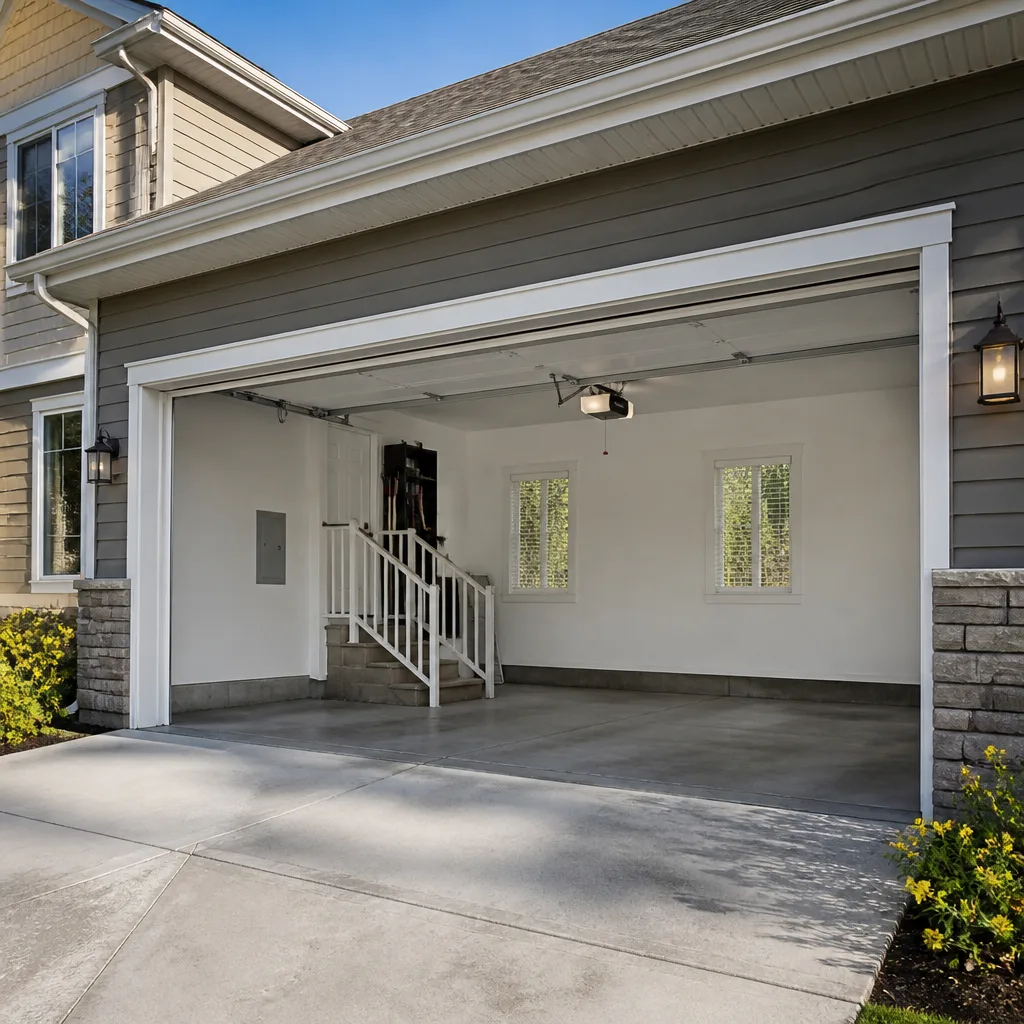 LiftMaster openers
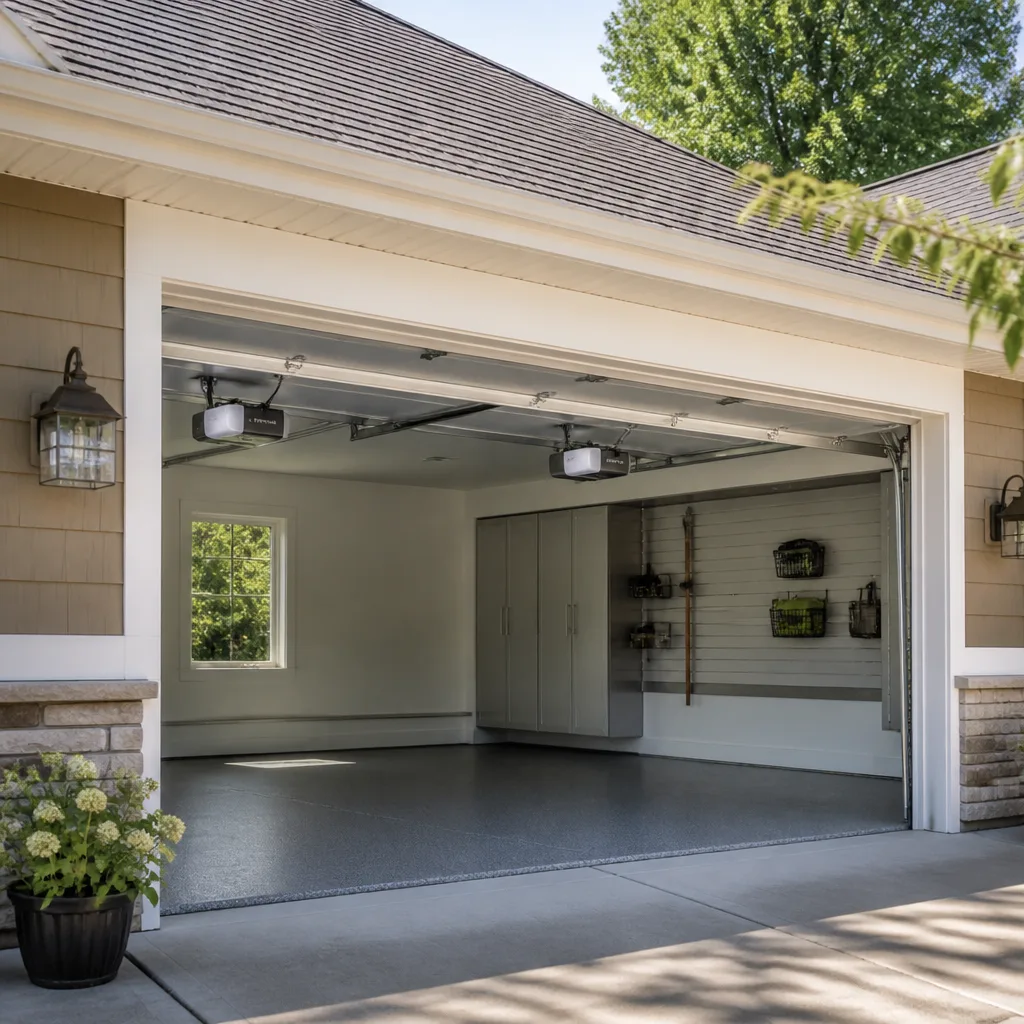 Chamberlain openers
Full 25-point door and opener safety check with every visit - springs, cables, rollers, tracks, and your LiftMaster or Chamberlain opener included
You get a price before we start. It does not change when the pro arrives.
Get your free estimateGarage Door Permits, Codes & Inspections in Hyde Park, OH: What You Need to Know
The Hyde Park homeowner who skips a permit on a straightforward door swap is probably fine. The one who skips it after widening the opening or adding a 240V outlet for an EV charger may find out at closing that the work has to be redone. That’s the counterintuitive part of Ohio’s permit rules: the door itself rarely triggers anything, but the work around it often does. In this guide we’ll draw the line between a like-for-like replacement that needs nothing and the structural, electrical, or opener-circuit changes that pull a building permit into the job. You’ll get the thresholds, the inspection process, and the practical steps for pulling a permit in Hyde Park when one is actually required.
Quick Answer
A like-for-like garage door replacement in Hyde Park, OH usually does not need a building permit because it isn’t structural or electrical work. You do need a permit when the project changes the structure of the opening (widening, raising the header, adding a beam), adds or rewires electrical circuits for an opener or outlet, or involves new construction attached to the home. When in doubt, call the City of Cincinnati’s building department and describe the exact scope – that call is free and settles the question faster than any forum thread.
Styles & brands we work with
- Raised-panel steel
- Carriage house
- Modern flush
- Full-view glass
- LiftMaster openers
- Chamberlain openers
Table of Contents
- What Does the Ohio Residential Code Say About Garage Door Work?
- The Structural Header Question: When Widening Triggers a Permit
- Garage Electrical Work: Outlets, Openers, and EV Circuits
- What a Final Inspection for Garage Door Work Actually Covers
- How to Pull a Permit in Hyde Park: Timeline, Cost, and Responsibility
- How Unpermitted Work Surfaces at a Home Sale
- Common Mistakes to Avoid
- Frequently Asked Questions
What Does the Ohio Residential Code Say About Garage Door Work?
The Ohio Residential Code regulates construction, alteration, and repair of one- and two-family dwellings, and it’s the framework Cincinnati and Hamilton County inspectors work from. The key word for garage doors is “alteration.” A pure replacement of a door and its tracks, using the existing opening and existing hardware attachment points, generally doesn’t count as an alteration. Cutting into a header, moving a jamb, or changing the opening’s dimensions does. So does adding a new electrical circuit.
Here’s how the categories usually shake out in Hyde Park:
- No permit typically needed: swapping a door for one of the same size, replacing springs, cables, rollers, or hinges, replacing a opener on an existing circuit, adjusting tracks.
- Permit typically required: widening or heightening the opening, replacing or reinforcing a header, converting an attached garage to living space, adding a new electrical circuit, or installing a new opening in a wall that didn’t have one.
- Ask the city: adding a second opener on a new circuit, changing from a manual door to a powered one where no power exists, or any work on a garage attached to a structure with a history of unpermitted additions.
The code itself is mostly silent on garage doors as a category, which is why homeowners get confused. The rules that bite are the structural provisions about load-bearing walls and headers, and the electrical provisions about circuit installation. Nothing in the residential code says “a garage door needs a permit.” What it says is that structural changes and new electrical work do. That’s the distinction to hold onto as you read the rest of this guide. If you’re weighing a replacement, our page on garage door installation walks through the sizing and structural side in more depth.
The Structural Header Question: When Widening Triggers a Permit
Widening a garage opening is the single most common way a simple door project becomes a permitted structural alteration. The header (the beam spanning the top of the opening) carries the load of the wall above it. When you widen the opening, the header has to grow, the jack studs move, and the load path changes. That’s structural work, and no door cost, however small, makes it optional.
In Hyde Park’s older housing stock – the 1920s and 1930s garages behind the brick homes off Erie Avenue and Michigan Avenue, for example – the headers are often original timber that’s been doing its job for a very long time. They may also be undersized by today’s standards, or have old notching that a modern door’s mounting hardware stresses differently. Widening one of those openings without an engineer’s eye is a bad bet.
Here’s when structural work pulls a permit into the job, in order of how often we see it:
- Widening or raising the opening for a taller or broader door than the original framing allowed.
- Replacing a damaged or rotted header, even at the same size, if the replacement changes the structural member.
- Adding a new opening in a wall where no garage door existed before.
- Converting an attached garage to living space, which triggers a broader set of code requirements around egress, insulation, and fire separation.
If the door you want fits the opening you have, you’re almost certainly in the no-permit category. If you’re cutting, you’re not. Ask the city’s building department before the saw comes out. And if a contractor tells you widening “doesn’t need a permit,” that’s worth a second opinion – the liability follows the homeowner, not the contractor, when the work is later discovered.
Garage Electrical Work: Outlets, Openers, and EV Circuits
Electrical is where the rules change fastest for Hyde Park homeowners right now. Adding a standard 120V outlet for a new opener in a garage that has no power run to it requires a permit in most jurisdictions, because it’s a new circuit. Replacing an opener on an existing dedicated circuit usually doesn’t. And a 240V circuit for an EV charger is unambiguously permitted electrical work – there’s no gray zone there at all.
The reason the EV case matters for garage doors specifically: many Hyde Park homes have a single-garage or detached garage with a single existing circuit feeding the opener. When a homeowner adds an EV charger, the panel needs to be evaluated for capacity, the circuit needs to be run, and the inspector wants to see the whole installation. If the same permit is open, it makes sense to have the opener circuit checked at the same time – not because it was wrong, but because the inspection is already happening.
For garage door opener repair, most jobs are strictly mechanical or electronic and don’t touch the circuit. We work on LiftMaster, Chamberlain, Genie, and Craftsman systems regularly, and the vast majority of opener failures we see trace back to the logic board, the travel limits, or a worn drive gear – not to the wiring in the wall. That’s worth saying plainly because homeowners often assume the worst when the door stops responding.
What does raise an eyebrow at inspection time:
- An outlet in the garage that’s not GFCI-protected, where the code for that location requires it.
- A new circuit run without a permit, especially a 240V one, visible as an unlabeled breaker in the panel.
- An opener wired into a lighting circuit rather than a dedicated circuit, which is a common shortcut on older work.
- Exposed or improperly secured wire runs along the ceiling joists.
None of these are garage-door problems in the strict sense. But they show up on the same inspection, and they’re the kind of thing a home inspector flags in a report that travels to the buyer’s attorney. If you don’t know the history of the electrical in your Hyde Park garage, it’s worth having a licensed electrician look at it before you add anything.
What a Final Inspection for Garage Door Work Actually Covers
A final inspection on permitted garage door work in Cincinnati-area jurisdictions is narrower than most homeowners expect. The inspector is checking the code items on the permit – not the quality of the door installation itself. If the permit was pulled for a structural header, the inspector looks at the header, the framing connections, and the load path. If it was pulled for electrical, the inspector tests the circuit, checks the GFCI, verifies the panel labeling, and looks at the wire routing.
What a final inspection typically does not cover:
- Whether the door balances properly or the springs are tensioned correctly.
- Whether the opener’s safety reverse works as it should.
- Whether the door seals against the weatherstripping at the jambs.
- The cosmetic quality of the panel alignment.
Those are installer responsibilities, and they’re why the manufacturer’s installation instructions matter. The inspector won’t measure your door’s balance, but a door out of balance will fail within a few months of use and you’ll be calling someone back. We set every door to its manufacturer’s specs – Clopay and Amarr doors have their own spring and hardware requirements that differ from what a generic replacement would use.
For a structural permit, the inspection sequence is usually a rough framing inspection before the door goes in, then a final after. For an electrical permit, there’s typically a rough-in inspection once the wire is run and before the panel is closed up, then a final. Ask the city which sequence they want when you pull the permit – missing a rough-in inspection means opening walls later, which is exactly the kind of thing that turns a small job into a large one.
How to Pull a Permit in Hyde Park: Timeline, Cost, and Responsibility
If a permit is required, the process is straightforward but not fast. In Hyde Park, garage door work falls under City of Cincinnati building permits (Hamilton County handles some unincorporated areas, but Hyde Park is within the city). The steps are:
- Confirm the scope in writing. Describe exactly what’s changing – dimensions, structural members, electrical circuits. A vague application slows the whole process.
- Submit the application to the city’s building department, either online or in person. Small residential alterations typically don’t require full architectural drawings, but structural changes often do.
- Pay the permit fee. Fees are calculated by the city based on the scope of work, usually a base fee plus a valuation component. The city sets the number; ask them for the current schedule.
- Schedule inspections. The permit will specify which inspections are required and when. Rough framing before the door goes in; rough electrical before the panel is closed; final when the work is done.
- Get the final sign-off and keep the paperwork. That sign-off is the record that the work was inspected, and it’s what a buyer’s attorney will ask for years later.
On timeline: the application window varies with the city’s inspection backlog, and we’d rather not guess at a number that might be wrong for your week. Ask the building department for their current turnaround when you submit. What we can say is that the inspection sequence adds days to the project – a structural job that would otherwise be a one-day install can stretch to a week or more once the framing inspection is on the calendar.
On responsibility: when a contractor does the work, the contractor typically pulls the permit and the homeowner pays the fee through the contract. A reputable contractor won’t ask you to pull the permit in your own name on work they’re doing – that’s a sign they don’t want to be on the record. Ask who’s pulling the permit before work starts, and get it in the written estimate. That’s the same standard we hold to across our garage door repair work: quote in writing, scope in writing, permit responsibility in writing if a permit is in play.
How Unpermitted Work Surfaces at a Home Sale
The inspection happens at sale, not at the moment of construction. That’s the whole reason this guide exists. A homeowner who widens an opening without a permit may live with that work for ten years and never have a problem. The problem arrives the week the home goes under contract.
Here’s the sequence most Hyde Park sellers run into:
- The buyer’s inspector notes a garage door opening that doesn’t match the original footprint or an outlet in the garage that has no obvious breaker label.
- The buyer’s attorney requests documentation – permits, inspection sign-offs, contractor invoices.
- None exists. The closing gets delayed while the seller tries to retroactively permit the work, which the city may or may not allow depending on what was done and how visible it is.
- In the worst case, the work has to be opened up for inspection and brought into code, which on structural work can mean redoing framing, and on electrical can mean rewiring the circuit.
The cost of resolving this is always higher than the cost of permitting it in the first place. That’s not a scare tactic; it’s a straightforward comparison between a permit fee plus an inspection and a delay at closing plus rework. On electrical work specifically, unpermitted modifications may also be excluded from a homeowner’s insurance coverage in the event of a fire. That’s worth a call to your insurer if you’ve inherited an unpermitted garage setup in Hyde Park – they can tell you what coverage applies.
If you’re buying a Hyde Park home with a recently replaced garage door, ask the seller for the permit and inspection record. If it’s a like-for-like swap, there probably isn’t one and that’s normal. If the opening is different from what the age of the house would suggest, that’s the question to ask.
Common Mistakes to Avoid
- Assuming “it’s just a door” means no permit is ever needed. Same-size replacement, no permit; anything that cuts framing, yes. The word that matters is “alteration,” not “door.”
- Widening an opening without an engineer’s input. In Hyde Park’s older garages, headers are often original and may be marginal by modern standards. Widening without confirming the load path is a gamble the homeowner pays for later.
- Adding a 240V circuit and calling it done. An EV charger in the garage is permitted electrical work, full stop. The unpermitted version shows up at home inspection and complicates the sale.
- Pulling the permit in your own name for contractor work. The homeowner ends up holding the record for work they didn’t do and can’t verify. Ask the contractor to pull it.
- Skipping the rough-in inspection on a structural or electrical permit. Missing it means opening walls after the fact. Ask the city for the inspection sequence before the work starts.
- Not keeping the final sign-off. The inspection report is the document that makes the sale go smoothly five years later. Save it with the house records, not the contractor file.
- Confusing the inspection with the installation quality check. The inspector checks code; the installer checks balance, spring tension, and weatherseal. They’re two different things and both matter.
See the difference
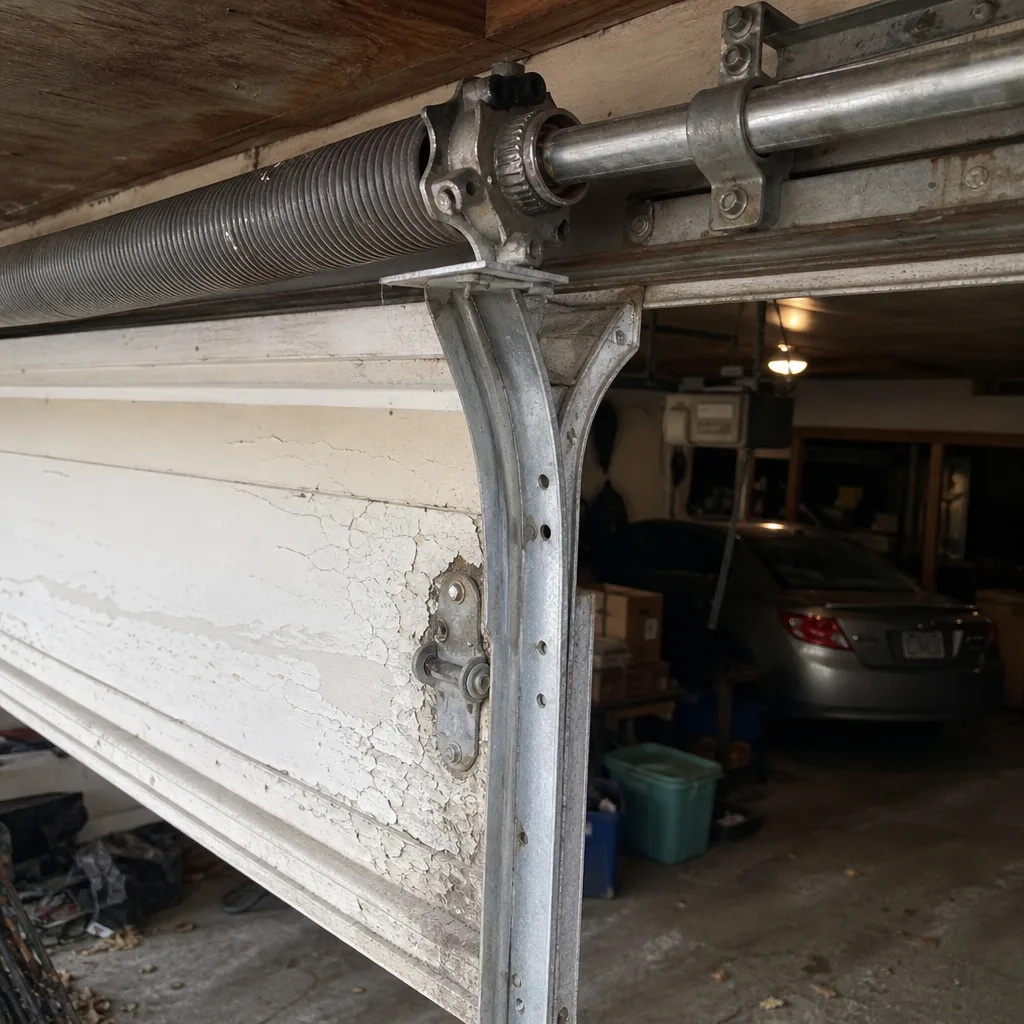 Before
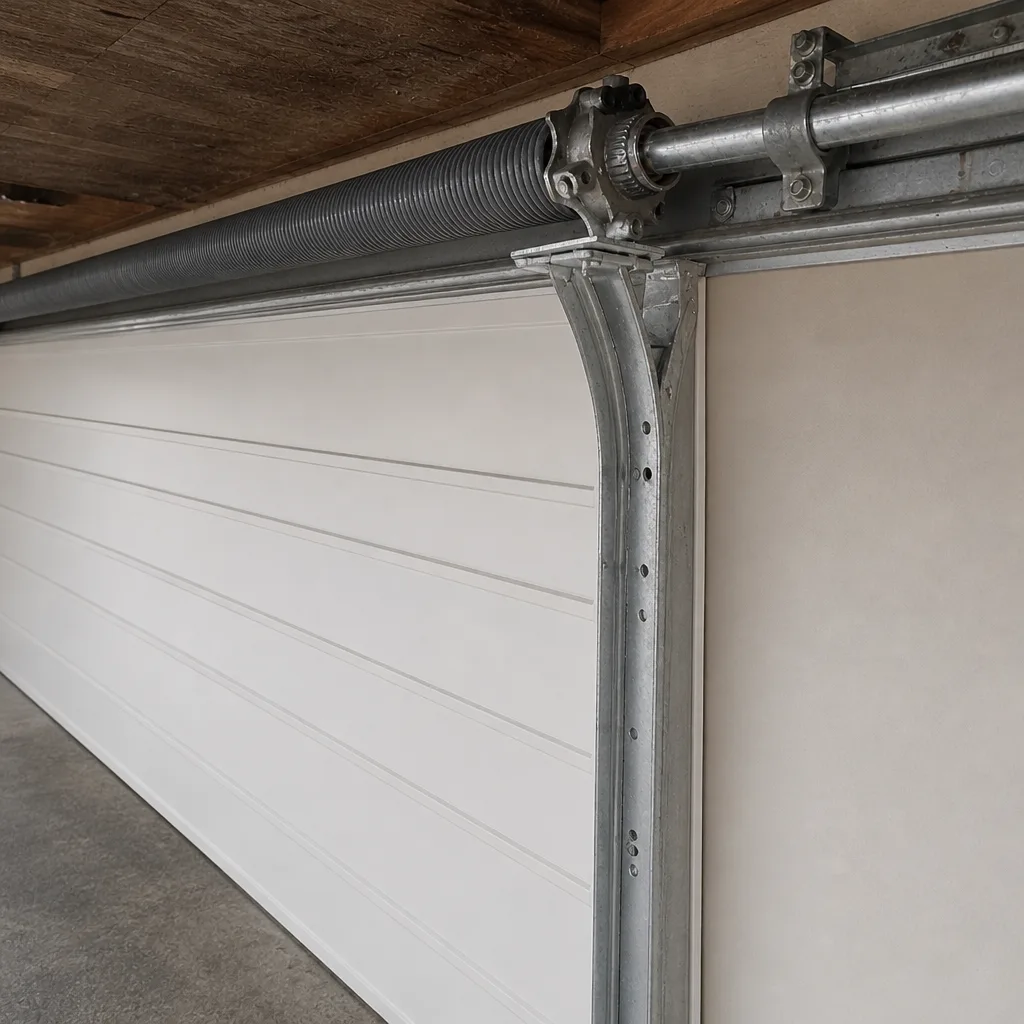 After
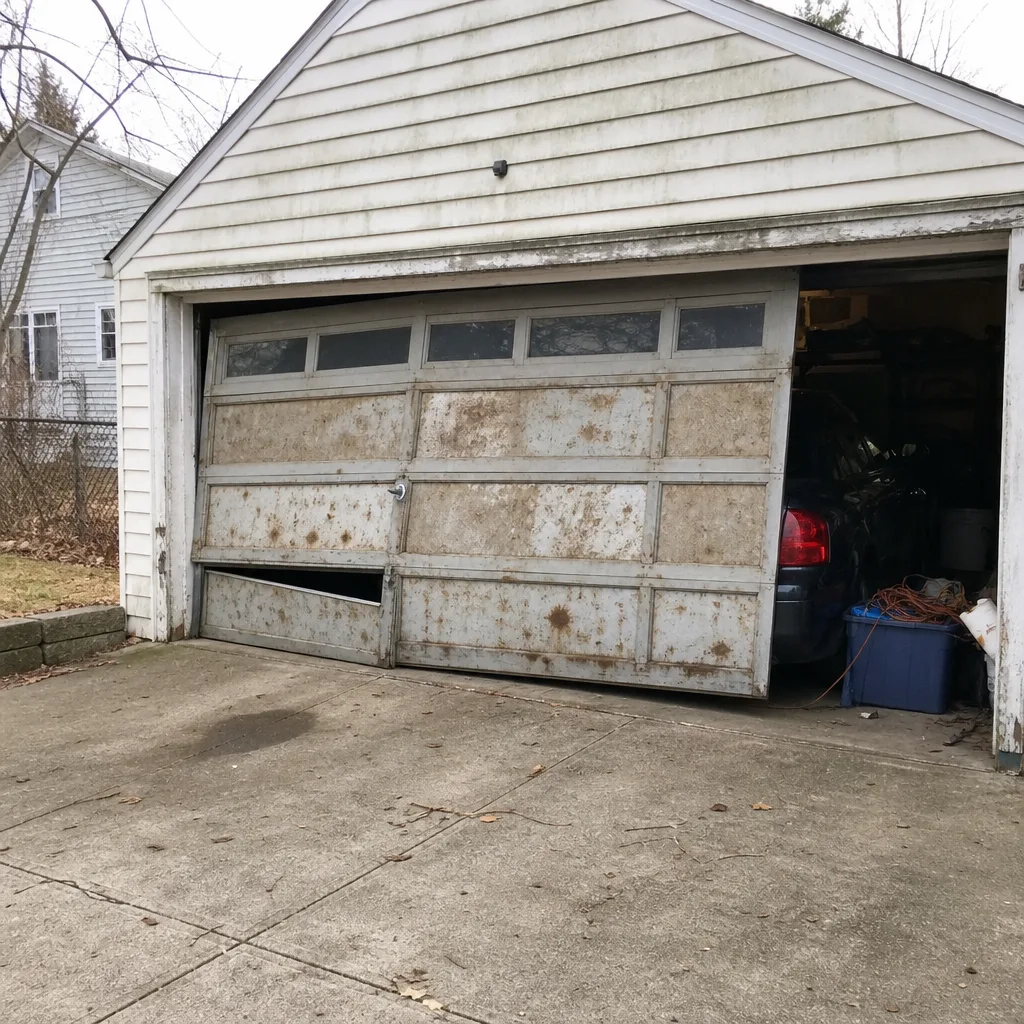 Before
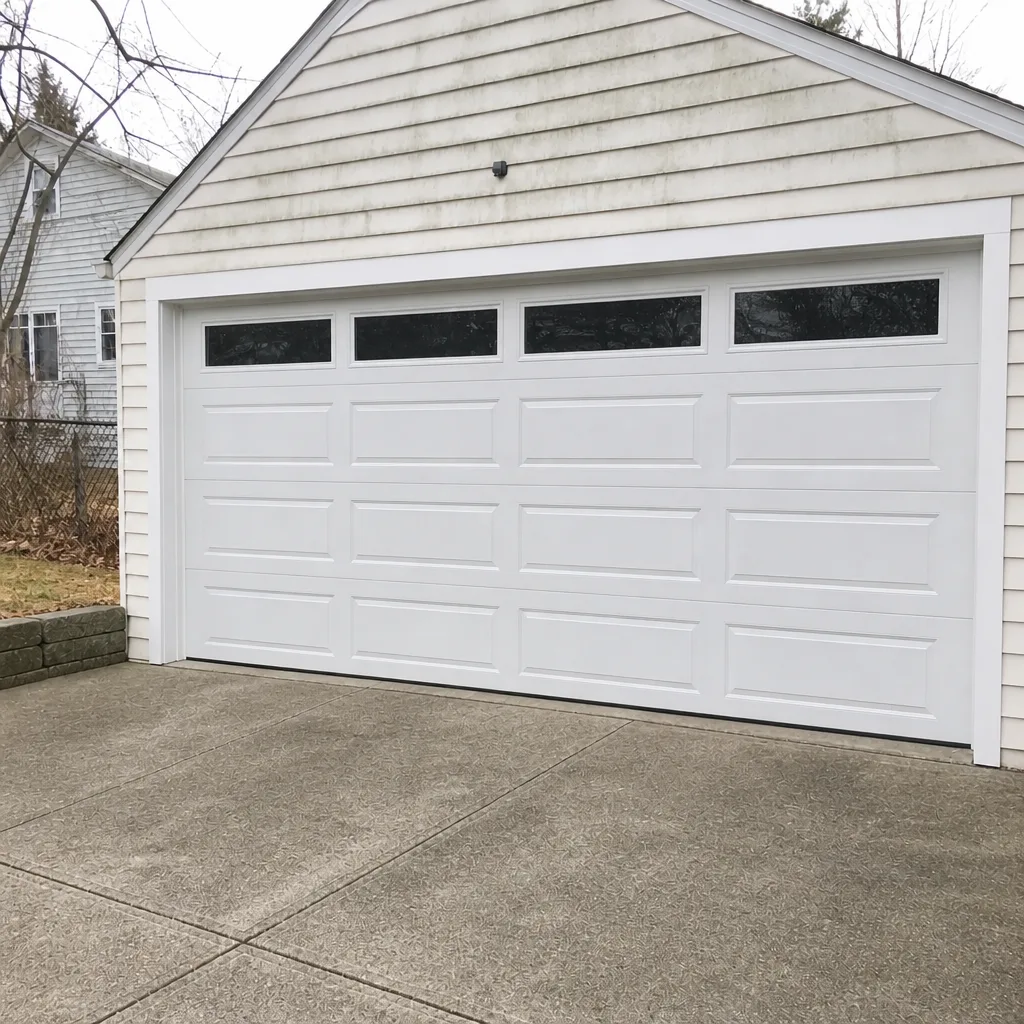 After
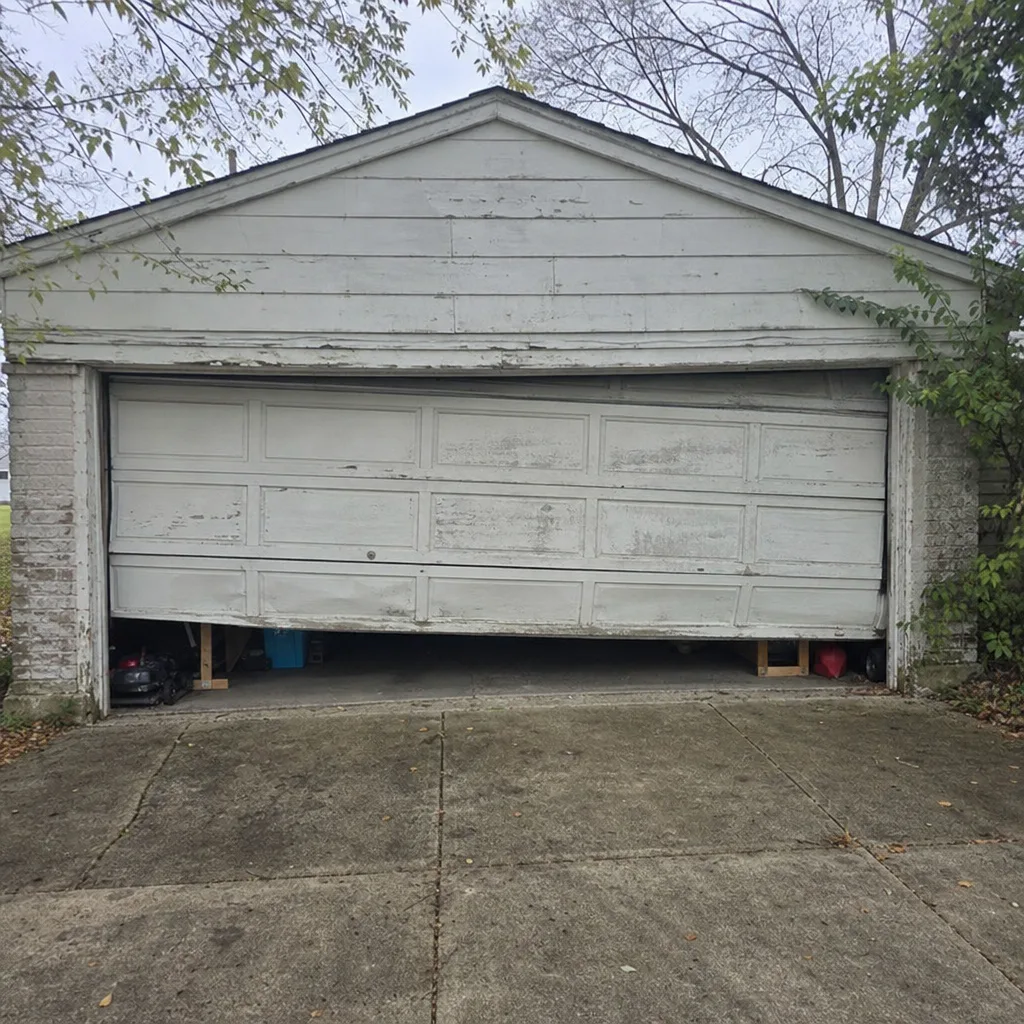 Before
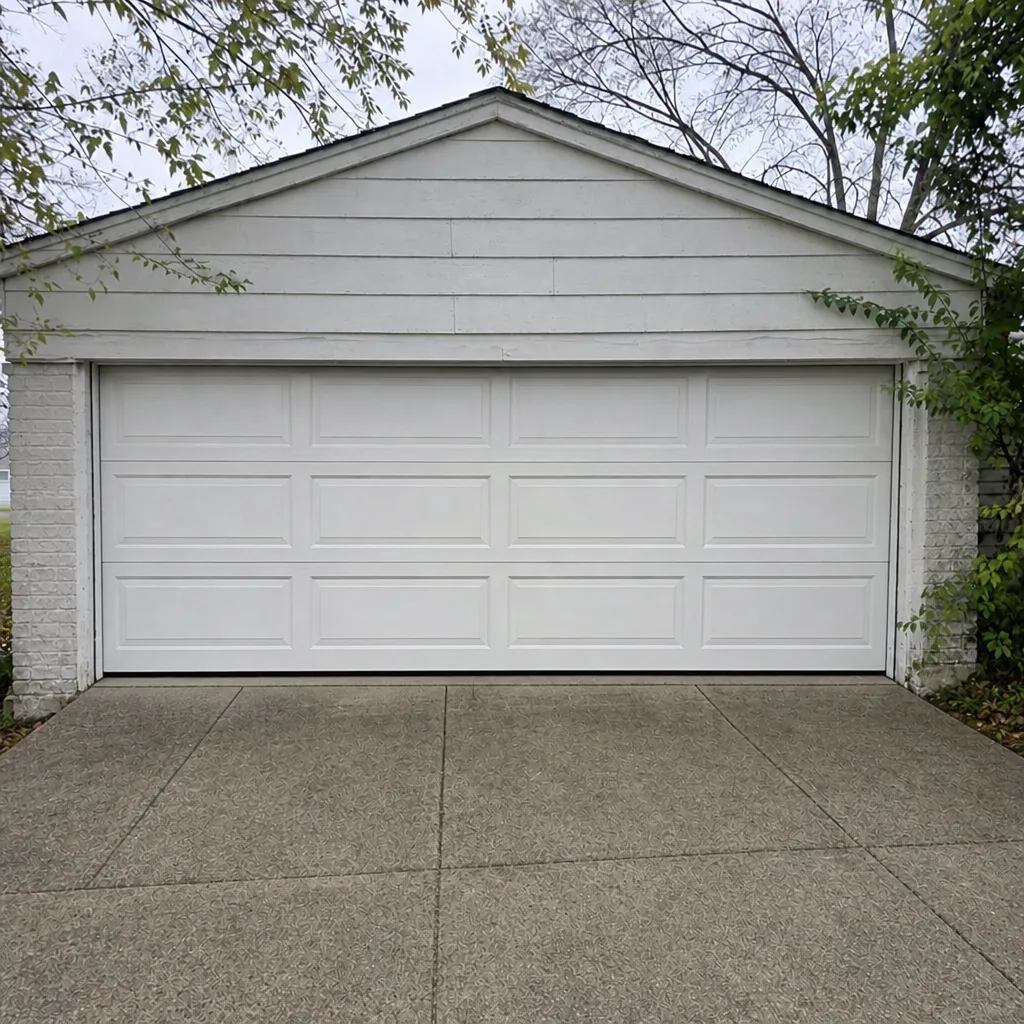 After
When to Call a Professional
If your project involves cutting into a header, moving an opening, adding an electrical circuit, or anything that requires a permit, call us before you call a general contractor. We can tell you whether the work you’re planning falls into the structural or electrical category, what the permit scope should look like, and whether a same-size replacement would sidestep the permit entirely. Spring work is the other case where we want to be involved – torsion springs and cables are under extreme tension and can cause serious injury if they’re released improperly, so they should only be handled by a trained technician with the right tools. Our technicians have up to 10 years of experience and we work on the brand already in your garage, whether that’s a Genie opener, a Clopay or Amarr door, or a Wayne Dalton system. Hyde Park Garage Door Repair offers free estimates in Hyde Park – call (866) 825-6356.
Frequently Asked Questions
Usually no, if it’s a same-size replacement using the existing opening and hardware attachment points. You do need one if the project changes the structure of the opening, adds a new electrical circuit, or builds a new opening. Call the City of Cincinnati building department with your specific scope to be certain – the call is free and it settles the question in minutes. Call (866) 825-6356 for a free estimate on the door or opener side.
Yes. Widening or heightening a garage opening is a structural alteration, because the header has to grow and the load path changes. That triggers a building permit regardless of the cost of the door, and in Hyde Park’s older housing stock the existing header needs an engineer’s look before any cutting starts. If the new door fits the opening you already have, you likely sidestep the permit entirely. Call (866) 825-6356 to talk through which side of the line your project falls on.
Nothing at the time, and potentially a lot at the home inspection years later. A new outlet or 240V circuit without a permit shows up as an unlabeled breaker and no inspection record, which delays closings and can require the work be opened up and brought into code. Unpermitted electrical modifications may also be excluded from homeowner insurance coverage in a fire. Call (866) 825-6356 if you want a licensed pro to assess existing garage electrical before you add anything.
It covers the code items on the permit – structural framing and load path for a structural permit, circuit testing and GFCI for an electrical permit. It does not evaluate door balance, spring tension, or weatherseal quality, which are installer responsibilities. That’s why a good install still matters even after the inspector signs off. Call (866) 825-6356 for a free estimate on installation or opener work.
A reputable contractor should pull the permit on work they’re doing, and the homeowner typically pays the fee through the contract. If a contractor asks you to pull the permit in your own name, that’s worth questioning – it puts the record in your name on work you didn’t perform. Confirm permit responsibility in the written estimate before work starts. Call (866) 825-6356 for a free estimate that spells out the permit scope.
It can, especially for electrical work. Most policies cover a fire or loss regardless of permit status, but unpermitted electrical modifications may be evaluated differently in an investigation and in some cases excluded. The safest approach is to have any garage electrical work permitted and inspected at the time it’s done. Call (866) 825-6356 if you’ve inherited a garage with unknown history and want a professional assessment.
The Bottom Line
Most Hyde Park garage door replacements don’t need a permit, and that’s the useful part of this guide: if your door fits the opening you have and you’re not touching electrical, you can replace it and move on. The moment you cut into the header, widen the opening, or add a circuit for an opener or EV charger, a permit is part of the job and the inspection record is what protects you at closing. The process itself is simple – submit the application, pay the fee, schedule the rough and final inspections, keep the sign-off. What isn’t simple is retroactively permitting work after a buyer’s inspector flags it. Hyde Park Garage Door Repair is here to help you sort which side of the line you’re on and to do the door and opener work that doesn’t need a permit, plus coordinate with the city on the parts that do. If you’re planning a replacement or an opener upgrade, take a look at our Hyde Park Garage Door Repair home page for an overview, then call us when you’re ready for a quote.
Call (866) 825-6356 for a free estimate on your Hyde Park garage door or opener project. We’ll walk through the scope, tell you whether a permit is likely, and put the price in writing before any work starts.
Written by the team at Hyde Park Garage Door Repair.